Why Spring Suits the City of Aix-en-Provence
When the plane trees leaf over the fountains and the markets brim, spring is the season to take Aix-en-Provence, warm and golden but not yet crowded.
 By Marcus Lim
2 September 2026 · 6 min read
By Marcus Lim
2 September 2026 · 6 min read
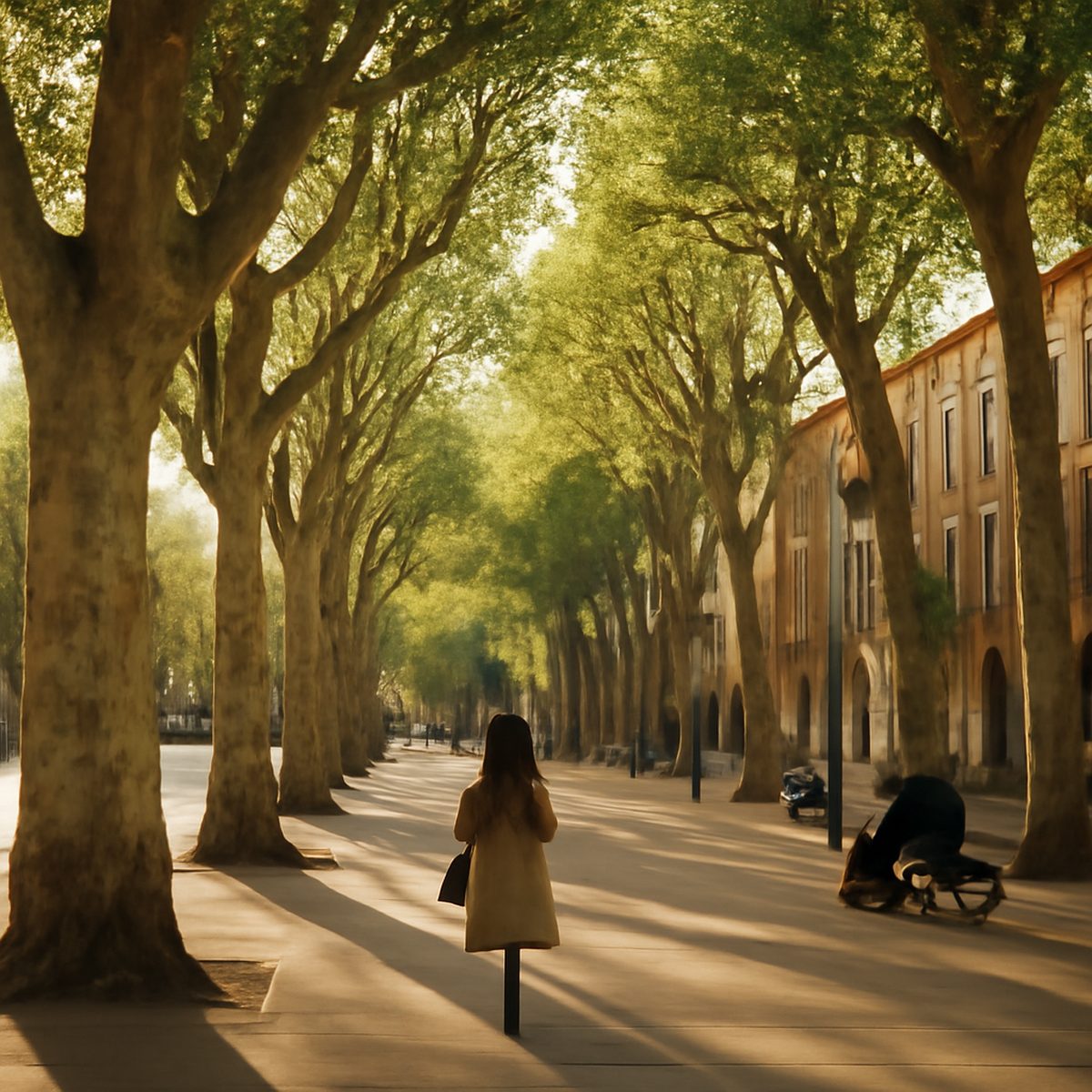
Every city has its season, the few weeks when its particular character comes fully into focus, and for Aix-en-Provence that season is spring. Come in high summer and you find the town hot, crowded and slightly overwhelmed; come in winter and its famous fountains and boulevards feel a touch forlorn. But arrive in spring, when the great plane trees leaf over and the light turns golden without turning fierce, and Aix reveals itself as one of the most civilised small cities in France, elegant, unhurried and entirely at ease. The season and the city are made for one another.
The plane trees and the fountains
Aix is a city of water and shade, and spring is when the two come into balance. Its celebrated main boulevard runs beneath a double avenue of huge plane trees, and in spring these leaf over into a green tunnel that dapples the light and cools the walk, while the fountains along its length, some mossy and ancient, one famously warm, play in the mild air. In summer this same boulevard bakes; in winter the trees are bare and the fountains cheerless. Spring is the brief window when it is exactly as its designers intended, shaded, splashing and full of the leisurely café life for which the city is known. This is a place made for sitting outdoors with a coffee and watching, and spring is when doing so is most purely pleasurable. Those who love this kind of elegant, walkable spring city will find the same appeal in our piece on why spring suits the city of Bordeaux.
The markets at their best
Aix is a market town at heart, and its markets are never finer than in spring, when the first produce of the Provencal year floods the stalls. The squares fill with asparagus and early strawberries, with flowers and cheeses and the herbs the region is named for, and the whole city seems to shop, gossip and graze its way through the morning. To wander these markets in the spring light, buying a little of this and that for a picnic, is to experience Provence at its most generous and least touristy. The rhythm is unhurried and deeply local, and it rewards the traveller who comes to participate rather than to photograph. A short journey west, another Provençal town has its own claim on the season, as our piece on why spring suits the city of Arles explains.
Aix in spring asks nothing of the visitor but to slow to its pace, to sit longer over lunch, to walk without a destination, to let the afternoon go.
How to take the city slowly
- Base in the old town: the tangle of streets behind the main boulevard is where the city lives.
- Shop the morning markets: arrive early, buy for a picnic, eat it in a shaded square.
- Follow the painter’s country: the surrounding landscape inspired one of France’s great artists.
- Sit, do not rush: the café on the boulevard is a destination, not a pit stop.
The painter’s light
Aix and its surrounding country were the lifelong subject of one of France’s greatest painters, and it is no accident that his obsession was the light. The clear, warm luminosity of a Provencal spring, falling on the great mountain that dominates the eastern horizon, is the same light that fills his canvases, and to walk the country lanes outside the city in April is to step into his world. A spring visit gains enormously from a half-day out into this landscape, the mountain, the pines, the ochre earth, all of it at its most vivid before the summer haze descends. The wider countryside beyond the city is glorious in the season, and travellers who catch the bug will want to explore the perched stone settlements nearby, mapped out in our guide to the villages of the Vaucluse and the villages of the Luberon.
The student city awake
Aix is not only an elegant museum-piece but a real, working university city, and spring is when that youthful life comes fully back to the streets. After the quiet of winter the terraces fill again, the students return in force, and the town takes on the animated, unhurried buzz that is so much a part of its character. This gives Aix an energy that many prettier towns lack, a sense of a place lived in rather than merely visited, and it keeps the cafes and small restaurants honest and lively. Come in spring and you find the town at its most sociable, the evening stroll along the main boulevard busy with locals of every age, the squares loud with conversation as the light lengthens. There is a famous summer festival of music and opera that fills the town later in the year, but even in the ordinary weeks of spring Aix hums with the particular vitality of a place that is both cultured and young. For the traveller this means the city feels welcoming rather than preserved, a living town happy to be shared rather than a backdrop to be photographed. It is this human warmth, laid over the beauty of the architecture and the softness of the season, that makes a spring visit so hard to leave.
Before the crowds arrive
Perhaps the strongest argument for spring is simply what it is not. It is not the crush of July and August, when the town’s population swells and its narrow streets clog and its restaurants raise their prices and their guard. Spring gives you the same city, warmer than winter and greener than autumn, but with room to breathe, tables free at lunch, and locals who still have the time to be charming. This is the secret of shoulder-season travel everywhere, and Aix rewards it as handsomely as any city in France. Come in April or May, take a room in the old town, shop the markets, sit under the plane trees, and let the elegant, unhurried spirit of the place set your pace. For more European cities caught at their perfect season, our Travel & Stays section is full of them. Aix-en-Provence in spring is simply among the most effortless pleasures of them all.
Marcus writes on travel and hospitality across Asia, and is happiest a long way from a lobby.