Understanding the Appeal of the Rack Railway
A cog-toothed train hauling itself up gradients no ordinary railway could climb, the rack railway turns the ascent into the whole journey. Its slow magic.
 By Marcus Lim
2 September 2026 · 6 min read
By Marcus Lim
2 September 2026 · 6 min read
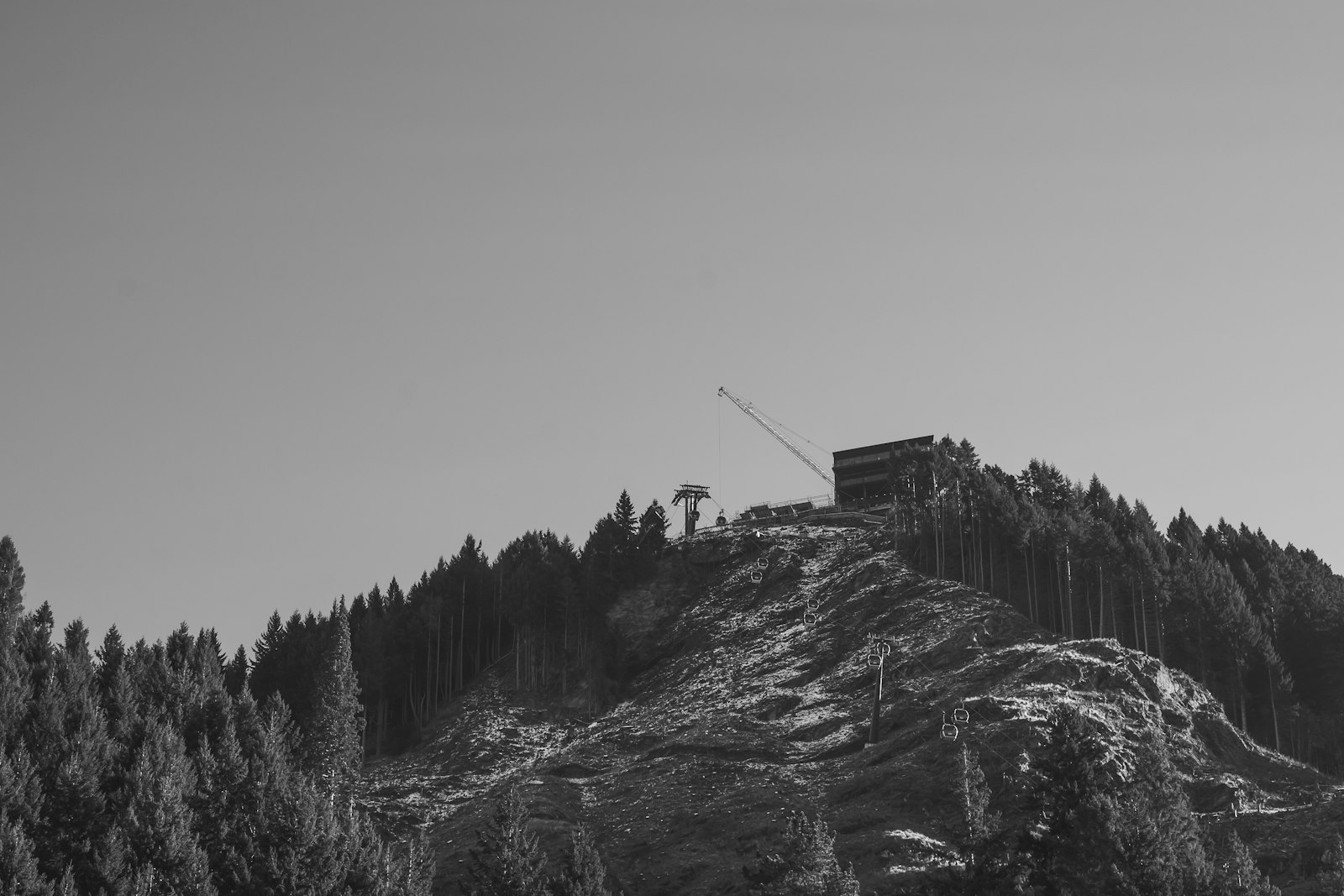
Most railways are engineered to flatten the world, to tunnel and bridge their way to the gentlest possible gradient so the train can run fast and smooth. The rack railway does the opposite and glories in it. It exists precisely to climb the slopes that defeat an ordinary train, hauling itself up impossible gradients on a toothed central rail, slowly, deliberately, turning the ascent itself into the entire point of the trip. In an age obsessed with speed, the rack railway is a gorgeous anachronism, and understanding its appeal is understanding why sometimes the slowest way up a mountain is the best.
How it defies the gradient
An ordinary train relies on the friction between smooth wheel and smooth rail, and that friction gives out on any serious slope; push the gradient too far and the wheels simply spin. The rack railway solves this with a third, toothed rail laid between the running rails, into which a cog beneath the locomotive engages, quite literally pulling the train up the mountain tooth by tooth. This ingenious system, developed in the great age of Alpine engineering, lets a train climb slopes far steeper than any adhesion railway could manage, reaching summits and shelves that would otherwise demand a cable car or a long walk. The mechanism is why these lines can go where they go, and the deliberate, geared climb gives them their unmistakable character. Those who love the ingenuity of mountain transport will find the same charm in the closely related lines covered in our piece on the cog railway.
Slowness as the point
The rack railway is unapologetically slow, and this is its greatest virtue rather than its flaw. A modern gondola whisks you to the top in minutes, sealed from the mountain, the ascent a mere interruption. The rack train makes the climb the journey. You feel every metre of altitude gained, watch the vegetation thin and the air clear, pass through pastures and pine and finally rock, the valley dropping away beneath the window. Arriving at the top of a mountain having earned the view slowly, tooth by tooth, is a wholly different pleasure from being deposited there by a cable, and it is a pleasure the rack railway alone provides.
The cable car sells you the summit. The rack railway sells you the mountain, one slow, grinding, glorious metre at a time.
What makes a great rack journey
- Sit on the valley side: the drop and the widening view are the whole spectacle.
- Go up slowly, come down slower: the descent, if anything, is the more dramatic ride.
- Time the season: late spring for meadows, autumn for colour, clear mornings for the far views.
- Break the journey: the best lines have halts where you can step off and walk a stretch.
An engineering triumph in miniature
It is easy to be so charmed by the romance of the rack railway that you overlook what an audacious feat of engineering each line represents. To carry a train up a mountainside was, when these railways were built, a problem at the very edge of what was possible, and the solutions their engineers devised were ingenious to the point of genius. The toothed rail had to be laid with absolute precision, the cog cut to engage it smoothly under enormous load, the whole train braked so that it could descend the same fearsome gradient without running away. Bridges were flung across ravines and tunnels bored through solid rock, all to hold the line at a gradient the cog could manage. That these lines were built by hand, in remote high country, with the tools of a century or more ago, is genuinely astonishing, and to ride one is to travel through a working monument to a heroic age of engineering. Knowing a little of this transforms the journey, for every metre of toothed rail beneath the carriage represents a problem solved by someone long ago who refused to accept that the mountain could not be climbed by train. The slowness that so charms the modern traveller was, to its builders, simply the price of reaching the impossible.
The heritage and the romance
Part of the rack railway’s charm is that it is old, and often gloriously so. Many of the classic lines date from the golden age of mountain tourism, and to ride one is to travel in the manner of the first well-heeled visitors who came to gaze at peaks that had until then been objects of dread. The little wooden carriages, the tiny mountain stations, the whole unhurried apparatus of the ascent belong to a more romantic era of travel, and they have survived precisely because they were built to last and because the experience they offer cannot be improved by speed. This heritage of slow, scenic rail runs through many of the great journeys, and lovers of the genre will find much to admire in our note on the steam railway, its close relation in spirit.
Building a trip around it
A rack railway is rarely a destination in itself, but it is a magnificent centrepiece for a mountain holiday built on slowness. The classic approach is to base yourself in a valley town, ride the train up on a clear morning, walk a while at altitude, and descend at leisure in the changing afternoon light. Better still, treat the railway as one link in a chain of slow mountain travel, connected to funiculars, lake steamers and quiet hillside inns. The tradition of staying grandly at the foot of such a line is a pleasure in itself, and our piece on the railway hotel captures the old-world comfort that once bookended every great rail journey. For more journeys that treat the getting there as the point rather than the obstacle, our Travel & Stays section is full of them. The rack railway is simply the most literal example, a train that refuses to hurry up a mountain, and is all the more beloved for it, proof that the slowest way to the summit is very often the most rewarding one of all.
Marcus writes on travel and hospitality across Asia, and is happiest a long way from a lobby.