Why Herringbone Brick Floors Deserve a Second Look
Warm underfoot, tough as iron and quietly grand, the herringbone brick floor is among the oldest and best. Why brick paving deserves a fresh second look.
 By Priya Nair
2 September 2026 · 7 min read
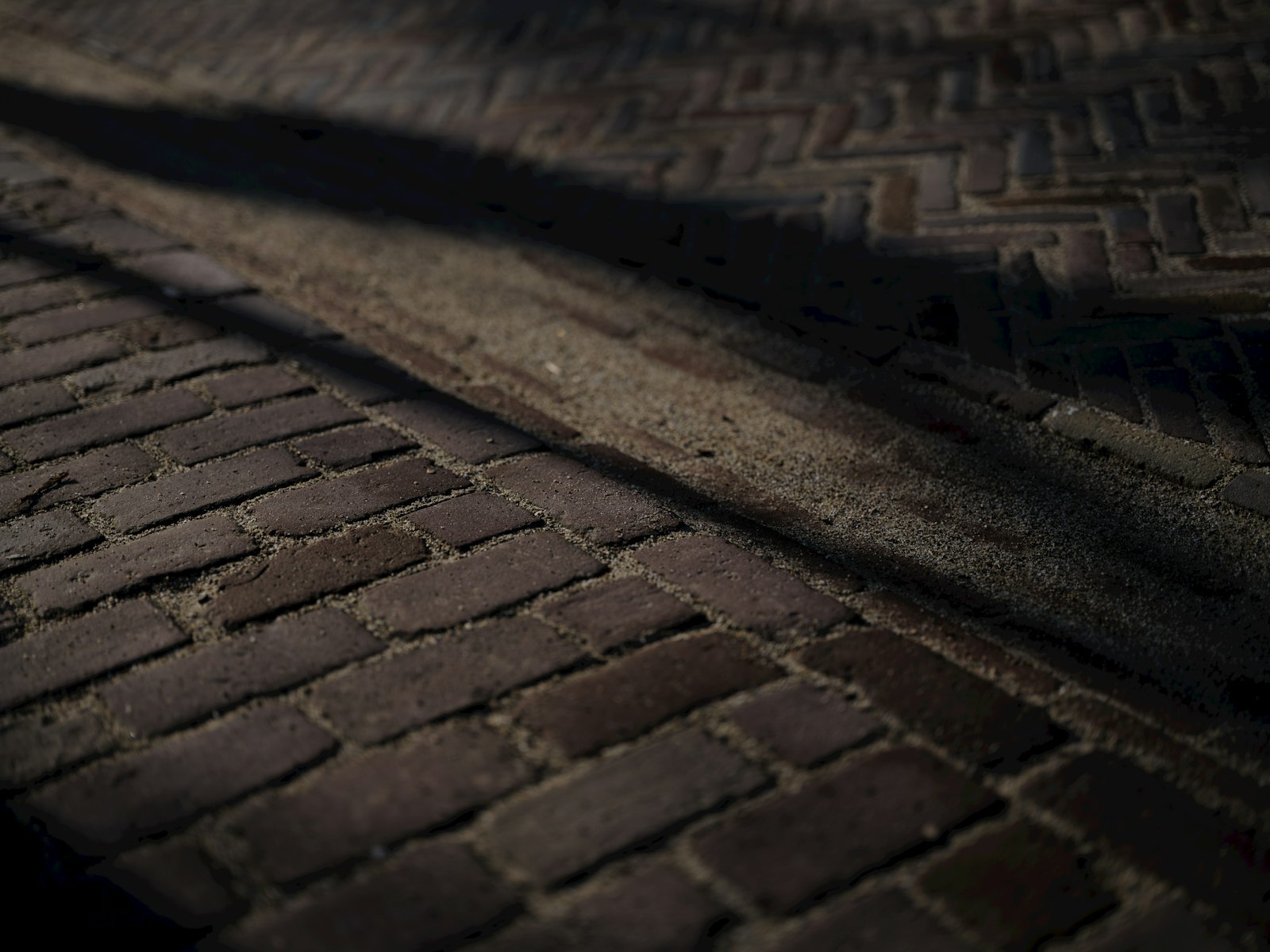
We tend to think of brick as a material for walls, and to reach for stone or timber when it comes to the floor. Yet some of the most beautiful and durable floors ever laid are made of brick, set on edge in a herringbone pattern, and they have been quietly underfoot in farmhouses, orangeries, kitchens and courtyards for centuries. The herringbone brick floor is warm where stone is cold, characterful where concrete is blank, and tough enough to outlast the building above it. In an age of engineered boards and large-format porcelain, it deserves a fresh second look, because for the right room there is very little that does the job as well, or ages as gracefully.
An old idea, and a good one
The brick floor is not a novelty but a return. Before cheap sawn timber and machine-made tile, brick was the obvious hard floor for the working parts of a house and the sheltered parts of a garden: fired from local clay, laid by any competent bricklayer, and all but indestructible. The herringbone pattern, in which the bricks interlock at right angles in a zig-zag, was not chosen only for looks. It ties the whole floor together, spreading load and resisting movement far better than bricks laid in simple straight courses, which is why it has survived so long in places that took real punishment. It sits within the same long tradition of patterned, hard-wearing floors as the timber classic examined in why parquet flooring deserves a second look, and it shares that floor’s quiet, geometric intelligence.
Why herringbone, specifically
The pattern earns its keep on more than one count. Structurally, the interlocking arrangement distributes weight across neighbouring bricks and resists the creep and rutting that a running bond can suffer under heavy use, which is why it was the pattern of choice for stable yards and cart ways. Visually, it does something clever: the zig-zag draws the eye along the room and adds a sense of movement and craft that a plain grid entirely lacks, while remaining calm enough never to shout. It also disguises the slight irregularities of handmade brick, folding them into the overall texture rather than lining them up for inspection. Few patterns combine strength and beauty so completely. For a floor laid in larger, quieter pieces of natural stone, our piece on why flagstone floors deserve a second look makes the counter-case.
A herringbone brick floor is the rare surface that looks better for being walked on, its colour deepening and its edges softening with every passing year.
Warmth, wear and the patina of use
What sells the brick floor, once you have lived on one, is how it feels and how it ages. Brick is warmer underfoot than stone or tile, holding a little heat and never striking cold through a sock, and it pairs beautifully with underfloor heating, whose gentle warmth it stores and releases slowly. Over years it develops a patina that no new material can imitate: the surface burnishes where feet fall most, the colour deepens, and small imperfections read as history rather than damage. This is the great virtue that separates natural, honest materials from synthetic ones, the same quality that guides the sound advice in choosing flooring that lasts. A brick floor does not wear out; it wears in.
- Warm underfoot and an excellent partner for underfloor heating.
- Interlocking herringbone spreads load and resists movement.
- Ages into a deep, burnished patina rather than wearing out.
- Hides the charm of handmade irregularity within the pattern.
Where it works, and how to lay it
The brick floor is a specialist, superb in some rooms and wrong in others, and knowing the difference is everything. It comes into its own in the hard-working, ground-floor spaces: the kitchen, the boot room, the garden room, the hall, and any threshold between house and garden, where its toughness and warmth are both wanted. It is less suited to bedrooms and formal drawing rooms, where softer materials belong. For a kitchen in particular it is hard to better, a point made well in how to choose the right kitchen flooring. Lay it on a sound, well-drained base, seal it appropriately against spills, and choose a genuine paver or a reclaimed brick hard enough for floor use rather than a soft facing brick meant only for walls. Get the specification right and the floor is effectively permanent.
Living with a brick floor
For all its toughness, a brick floor is a natural, porous material, and it rewards a little understanding of how to live with it. Sealed properly on laying, it shrugs off the spills and traffic of a busy kitchen or boot room, but the seal is worth refreshing every few years in the hardest-worked spots, a small job that keeps the floor easy to wipe and resistant to stains. Cleaning is simplicity itself: a sweep and an occasional wash with warm water and a mild soap, nothing harsh or acidic that might etch the surface. The colour of brick runs right through the material rather than sitting on top, so unlike a printed tile it cannot wear away to reveal something different beneath; a chip merely shows more of the same warm clay. Underfoot it forgives dropped crockery more kindly than stone, and the pattern hides the marks of daily life rather than displaying them. In short it asks for very little and gives a great deal, which is the whole promise of a material got right at the start.
It is worth adding that brick pairs beautifully with the other honest materials of a working room, sitting happily beneath timber cabinetry, plaster walls and the warmth of reclaimed timber, so that the whole room reads as one calm, aged, unforced thing rather than a set of competing surfaces.
A floor with a future
The herringbone brick floor endures because it belongs to that small class of building materials that were got right centuries ago and have never needed improving. It is warm, strong, beautiful, repairable and honest, and it looks better with every year of use, which is the exact opposite of almost everything sold as flooring today. For the reader building a home meant to last and to age well, it deserves to be back on the shortlist, taking its place among the natural, hard-wearing surfaces prized throughout the homes and culture tradition, beside reclaimed timber and worn stone. Lay one in the right room and you will be leaving it, patinated and beloved, to whoever lives in the house long after you.
Frequently asked questions
Are herringbone brick floors suitable for indoor use?
Yes. Brick floors have been used indoors for centuries in kitchens, hallways, orangeries and farmhouses. Use dense, frost-resistant pavers or thin brick tiles designed for flooring, laid on a properly prepared base. Sealed brick is durable, easy to maintain and develops a warm patina with age.
Why lay brick floors in a herringbone pattern?
The herringbone pattern interlocks bricks at angles, distributing loads and resisting movement better than straight patterns. It adds visual energy, guiding the eye through a space. It also disguises small variations in brick size and colour, giving a characterful, cohesive finish that suits both period and modern homes.
Are brick floors cold to walk on?
Brick is warmer underfoot than stone or ceramic tiles, though cooler than timber. It retains heat well and works effectively with underfloor heating. In hot climates such as Singapore, a brick floor’s natural coolness can be an advantage, while rugs add comfort in living areas.
How do you clean and seal a brick floor?
Seal brick floors after installation with a breathable sealer suitable for clay pavers, then reseal periodically. Sweep regularly and mop with a pH-neutral cleaner. Avoid harsh acids, which can damage brick and mortar. Over time, regular use and gentle care create a pleasing, lived-in patina.
Where in the home does a brick floor work best?
Brick floors suit kitchens, entrance halls, conservatories, mudrooms, garden rooms and indoor-outdoor living spaces, where durability and character are valued. Continuing the same brick from indoors to a terrace creates a seamless transition. They are less suited to bedrooms, where softer underfoot materials are usually preferred.
Priya tours the homes most people only glimpse from the road, and asks how they are really lived in.