Why Hand-Stitched Leather Belongs in the Home
Saddle-stitched by hand, good leather ages into character rather than wearing out. Why the slow craft of hand-stitched leather belongs in the home.
 By Priya Nair
2 September 2026 · 7 min read
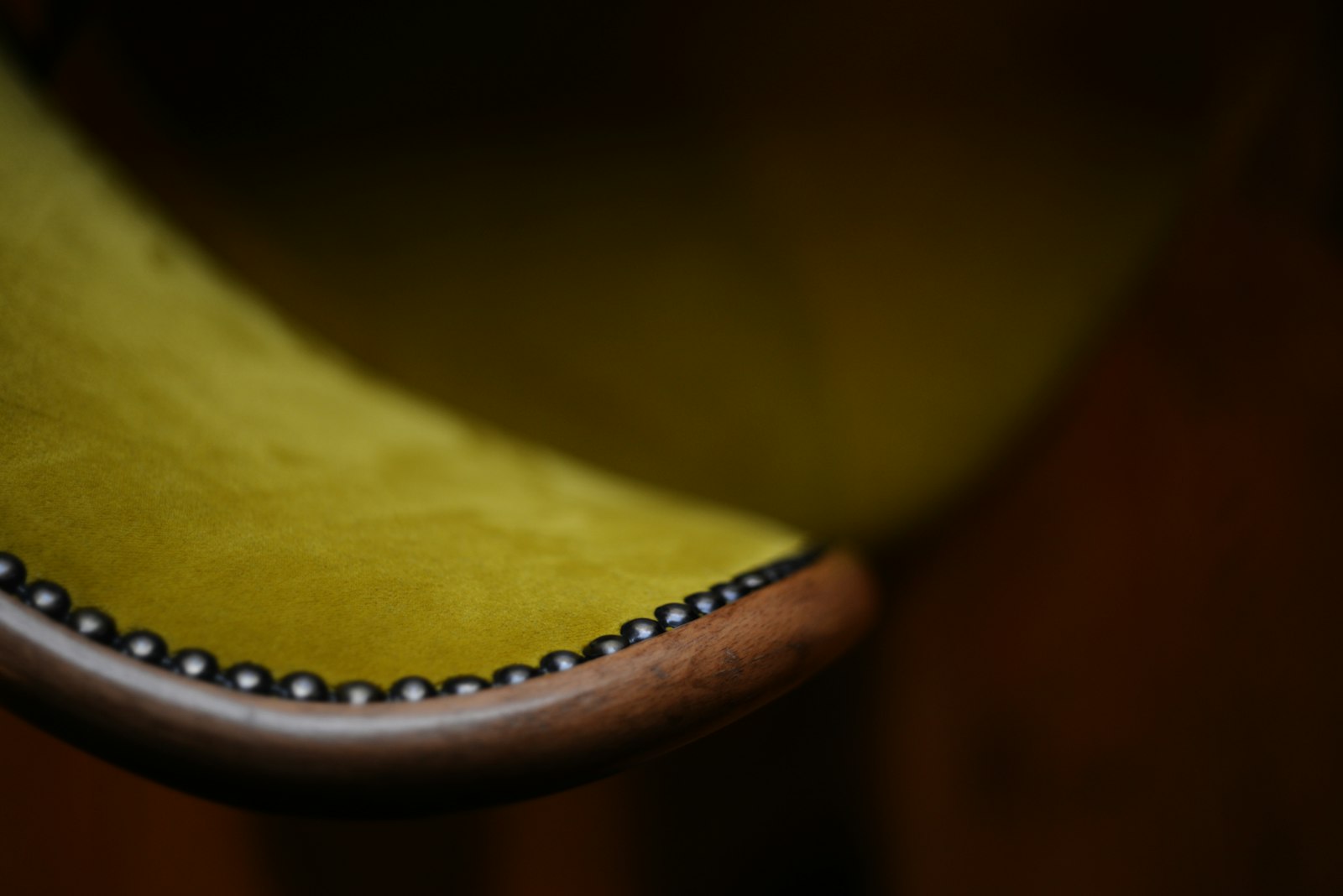
Run a thumb along the edge of a well-made leather chair, a bound desktop or the handle of a good trunk, and you can feel the difference between a seam that was made by a machine and one that was made by a pair of hands. The hand-stitched seam has two threads locked together through each hole, a saddle stitch, and it neither unravels when nicked nor pulls tight and hard the way a machine lockstitch does. It is slower, dearer and, once you have learned to see it, quietly unmistakable. In a home full of things that are assembled, hand-stitched leather is one of the few that is genuinely made, and that difference is worth understanding before you spend on it.
The stitch that will not fail
The technical case is real and not romantic. A machine seam is a single thread looped against itself; cut it at any point and it can run, tooth by tooth, until the seam is gone. A saddle stitch uses two needles and two threads passing in opposite directions through the same holes, so each stitch is independently secure. Damage one and the rest hold. This is why the saddler, the harness-maker and the bookbinder have never fully surrendered to the machine: for anything that must survive real stress over real decades, the hand stitch is simply better. It is the same logic that explains why bridle leather ages so well, a material and a method both bred for a working life rather than a showroom one.
Leather that improves
Good leather is one of the very few materials in the home that gets better with use. Full-grain hide, vegetable-tanned and left honest, develops a patina, a deepening of colour and a softening of hand, that no finish can fake and no synthetic can imitate. The oils from your hands, the light from the window and the simple friction of daily life all conspire to improve it. A hand-stitched piece is designed to reward exactly this long relationship, because the maker assumed it would last long enough to earn a patina. Cared for even casually, it ages into character; neglected, it merely dries. The maintenance is minimal and deeply satisfying, and the principles are the same across the material’s whole life, from furniture to the small accessories covered in caring for leather properly.
Most things in a house are bought at their best and decline from there. Good leather is bought as a promise and is at its finest years later.
Where it belongs
Leather earns its place where hands and bodies meet a surface, which is more of the home than you might think. The obvious homes are seating: a chesterfield or a club chair whose arms and cushions will burnish where they are used. But the material is quietly at home in a dozen smaller roles. A leather-topped desk absorbs the pressure of a pen and the ring of a warm cup and looks the better for both. Leather drawer pulls and door straps give a tactile pleasure that metal cannot. A leather-wrapped tray, a magazine sling, a bound blotter, the trim on a bench: each brings a little of the material’s warmth to a room. The rule of thumb is simple.
- Use leather where it will be touched, so the patina has a reason to form.
- Prefer vegetable-tanned, full-grain hide that is allowed to age.
- Look for the double thread of a saddle stitch at the stress points.
- Keep it out of direct, all-day sun, which dries more than it patinates.
It pairs beautifully with materials of similar honesty: unlacquered brass, oak, wool, hand-thrown ceramic. It sits oddly beside high-gloss plastic, which only advertises the difference.
How to read a good piece
Learning to see the difference takes only a few minutes of looking. Turn a piece over. The underside of good work is nearly as tidy as the top, with even, slightly slanted stitches marching in a straight line, the mark of a maker who used a pricking iron to space the holes before ever picking up a needle. The edges of the leather should be burnished and often waxed to a smooth, sealed finish rather than left raw or coated in a rubbery paint. Where two pieces meet, the join should be skived, thinned so the seam lies flat instead of bulging. None of this is arcane; it is simply the visible record of care. Once you have handled a genuinely well-made object, the machine-made substitute, with its perfectly identical stitches and its glued, painted edge, looks exactly like what it is, which is a thing made to a price rather than to a standard.
The cost, and what you are paying for
Hand-stitched leather is not cheap, and it should not pretend to be. You are paying for hide selected for grain rather than yield, for a tanning process measured in weeks rather than hours, and above all for the hours of a skilled hand pulling two needles through a hundred holes. That labour is the whole point. It buys a seam that will outlast the fashion that surrounded it and a piece that can be repaired rather than binned, which is the truer economy over a life. Set beside the endless replacement cost of cheap upholstery, a single hand-stitched chair that serves for forty years is not the extravagance it first appears. It is closer to the sensibility behind the best club chairs: buy once, buy properly, and let time do the rest.
An argument for slowness
In the end the case for hand-stitched leather is a case for a certain kind of slowness at home. It is a material that was made unhurriedly, that asks to be used rather than protected, and that pays back attention over years instead of demanding it all at once. To live with it is to be reminded, quietly and daily, that some things are worth doing by hand and worth keeping for a lifetime. For the reader assembling a home of honest materials, it belongs squarely within the homes and culture tradition of buying well and buying once. Choose a good piece, learn the small rituals of caring for it, and it will still be improving long after cheaper things have been thrown away.
Frequently asked questions
What is saddle stitching in leatherwork?
Saddle stitching is a traditional hand-sewing method using two needles on a single length of thread, passed through each hole from opposite sides. This creates two interlocking lines of stitching. If one stitch breaks, the seam holds, making it far stronger and more durable than most machine stitching.
Why is hand-stitched leather stronger than machine-stitched?
A machine lockstitch uses two threads that interlock inside the material, so a single break can cause the seam to unravel. Hand saddle stitching locks each hole independently with two threads, so damage stays localised. Hand stitching also allows thicker, waxed thread and careful tension control for longevity.
Where can hand-stitched leather be used around the home?
Hand-stitched leather suits desk pads, blotters, bound desktops, tray tables, chair seats and arms, cabinet pulls, magazine holders, trunks, wastepaper baskets and storage boxes. It also works on lighting details, stair rails and door handles. Its durability makes it ideal for pieces handled often.
How can you recognise a well-made hand-stitched leather piece?
Look for even, slightly angled stitches spaced consistently, neatly finished and burnished edges, and high-quality, full-grain leather. The thread should be waxed and tight without puckering. Hand stitching often shows tiny irregularities that machine work lacks. Ask the maker about leather source, thread type and techniques used.
Why is hand-stitched leather so expensive?
It takes considerably longer to make by hand, often many hours for a single piece, and requires skilled craftspeople. Makers typically use higher-quality leather and thread. The result lasts far longer and can usually be repaired, so the cost per year of use often compares well with cheaper alternatives.
Priya tours the homes most people only glimpse from the road, and asks how they are really lived in.