Why Flagstone Floors Deserve a Second Look
Cool underfoot, tough as the hills it comes from and lovelier as it wears, the flagstone floor is due a revival. A guide to stone flags and their care.
 By Priya Nair
2 September 2026 · 6 min read
By Priya Nair
2 September 2026 · 6 min read
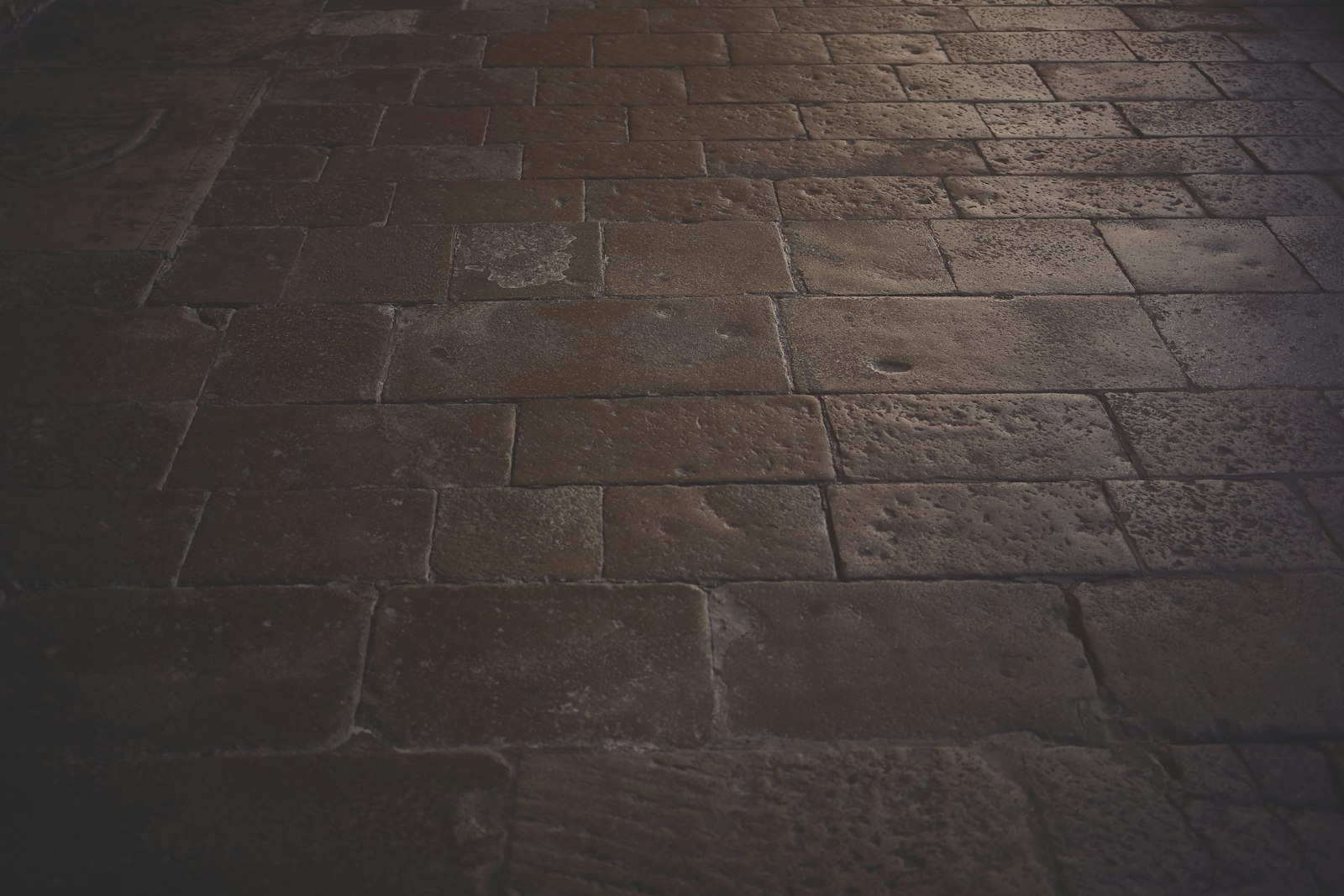
There is a floor in many an old farmhouse kitchen that has been walked on for three hundred years and looks all the better for it: broad slabs of local stone, uneven, softly polished by generations of feet, cool in summer and honest in every season. The flagstone floor is one of the oldest surfaces in the domestic canon, and one of the most unfairly overlooked in an age of engineered boards and porcelain tiles. It deserves a second look, because almost nothing you can lay today will still be beautiful in three centuries, and a flagstone floor demonstrably will.
The stone beneath your feet
A flagstone is simply a flat slab of stone split or cut for flooring, traditionally from whatever the local geology offered: sandstone in one region, limestone in another, hard slate or granite where the hills provided it. This is why old flagstone floors feel so rooted; they were quarried within a few miles of where they were laid, the floor an extension of the ground the house stood on. Each stone type has its own colour and character, from warm honey sandstones to cool blue-grey limestones, and choosing one is partly a matter of choosing which landscape you want underfoot.
This connection to place and to the raw earth is exactly what draws people back to natural materials generally, over the manufactured surfaces that mimic them. Our writing on the enduring case for natural materials makes the argument in full, and stone flags are perhaps its oldest and most durable example.
A floor that improves with age
Most floors are at their best on the day they are laid and decline from there. Flagstone is the rare exception: it improves. Foot traffic slowly polishes the high points to a soft sheen, edges round, and the surface takes on a patina that no amount of money can buy new. The occasional chip or worn hollow at a doorway is not damage but history, the visible record of a floor doing its job for lifetimes. This is a material that rewards patience and punishes the wish for perfection, and it is all the better for it. Patterned floors offer a different kind of enduring character, as our piece on why encaustic tiles deserve a second look explains. Old brick shares that same capacity to improve with wear, which is why herringbone brick floors deserve equal consideration.
It pairs beautifully with the other honest, worked surfaces of a considered home. A flagstone floor beneath a hand-worked timber ceiling, in a room warmed by an open hearth, is a composition of materials all speaking the same language. The quiet luxury of the oak floorboard covers the timber counterpart to stone, the two materials that between them floor almost every house worth living in.
Lay a flagstone floor and you are not decorating a room. You are giving it a foundation that will outlive you, and look better for the wear.
The practical case
Flagstone is not only beautiful; it is supremely practical, which is why it survived in the hardest-working rooms of the house. It is close to indestructible, shrugging off the traffic, spills and dropped pans that would ruin a softer floor. It does not burn, does not scratch in any way that matters, and cleans with a mop. Its one perceived drawback, that it is cold underfoot, is in fact its greatest modern advantage: stone is a superb conductor, which makes it the ideal partner for underfloor heating. Warmed from below, a flagstone floor delivers a gentle, even heat and holds it long after the system cycles off.
This makes it particularly suited to the hardest-working rooms, the kitchen and its adjuncts, where its imperviousness earns its keep daily. In a kitchen and prep space it takes everything thrown at it, and our guidance on the best materials for a timeless hallway makes the parallel case for stone in the other high-traffic zone of the house, the entrance where every muddy boot lands.
Laying and living with it
A flagstone floor wants to be laid properly, ideally on a suitable base with the right lime-based mortar and, in an old house, without the damp-proof membrane that can trap moisture and cause trouble; a breathable build is often the wise choice in a period property. Reclaimed flags, salvaged from demolished buildings, bring instant age and keep good stone in use, though they demand careful sorting and a tolerant eye for irregularity. New flags, riven or sawn, offer more consistency for those who want it.
Once down, it asks almost nothing. An occasional seal against staining, a regular mop, and the good sense to let it wear as it will. The floor takes care of itself; the owner’s only real job is to resist the urge to make it look new.
The floor that outlasts fashion
Where the stone belongs
Flagstone is not a floor for every room, and knowing where it belongs is part of using it well. Its natural home is the ground floor, and particularly the hardest-working rooms: the kitchen, the boot room, the hallway, the garden room where the outdoors is forever being tracked in. Here its imperviousness and its cool, honest surface are exactly what is wanted, and its slight unevenness matters not at all. Laid through these connected spaces, a single flagstone floor draws them into one, the eye and the foot travelling from kitchen to hall without interruption, and the effect is of a house grounded and calm from the moment you step through the door.
Where flagstone struggles is upstairs and in the rooms meant for lingering warmth. Its coldness, so welcome in a kitchen, is less so in a bedroom, and its weight makes it a poor choice for an upper floor that was never built to carry it. A sitting room can take stone beautifully if it is warmed from below and softened with rugs, but a bare flagstone floor in a room meant for bare feet and long evenings can feel austere. The wise approach is to let the material do what it does best, flooring the busy, wet, outdoor-facing rooms in stone and turning to timber for the quieter, warmer spaces above and beyond. Used with that judgement, flagstone never feels like a compromise; it feels inevitable, the only floor that could possibly have gone there. And in the rooms where it belongs, it will still be doing its work, and looking the better for it, long after every other surface in the house has been torn out and replaced.
Flagstone deserves a second look because it offers what almost no modern floor can: genuine permanence, real beauty, and a surface that grows lovelier with every year of use. It is a floor for people who think in decades rather than seasons, who would rather buy once and well than replace often. In a throwaway age, that is a quietly radical choice, and a deeply satisfying one. Explore more materials built to last a lifetime and beyond across our Homes & Culture writing.
Priya tours the homes most people only glimpse from the road, and asks how they are really lived in.