Why Cardoons Deserve a Bigger Role
Bitter, tender and unfairly forgotten, cardoons reward the cook who trims them. A case for the thistle and the creamy gratins that suit it best.
 By Renée Tan
2 September 2026 · 6 min read
By Renée Tan
2 September 2026 · 6 min read
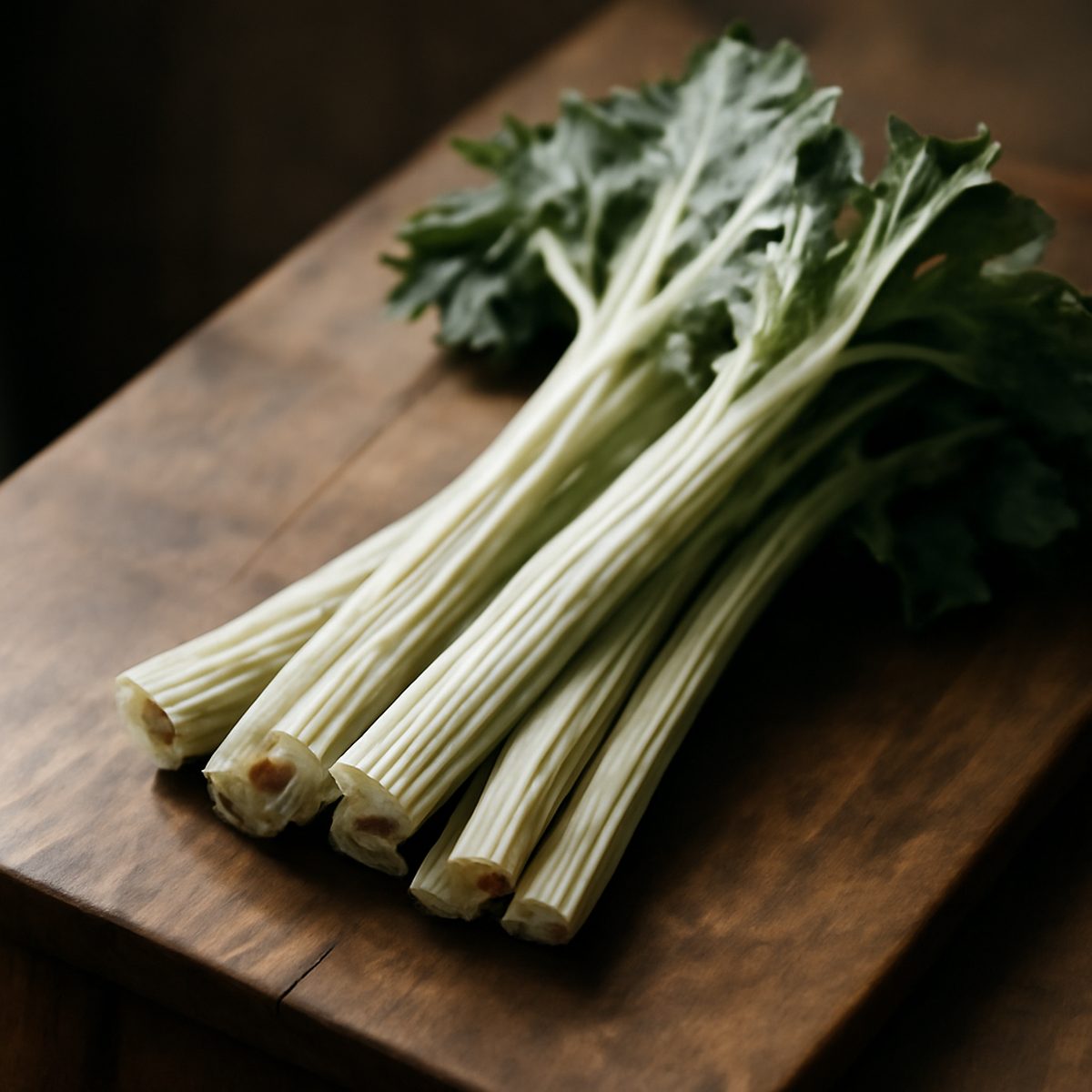
Wander through a good winter market in the south of France or northern Italy and you will find, among the more familiar vegetables, great pale bundles that look like celery raised by a giant. These are cardoons, and most shoppers walk straight past them, unsure what they are or what to do with them. That is a quiet tragedy, because the cardoon is one of the most rewarding vegetables of the cold months, a thing of real elegance once you understand it, and it deserves a far bigger role than the neglect it currently suffers.
The artichoke’s forgotten cousin
The cardoon is closely related to the globe artichoke, but where the artichoke is grown for its flower bud, the cardoon is grown for its stalks. It is a thistle, tall and silvery-leaved, and the edible part is the fleshy ribs at its base, which are blanched pale in growing to keep them tender. Cooked, they taste like a cross between an artichoke heart and a mild celery, with a faint pleasant bitterness that is the whole point of them.
They belong to the same considered, seasonal school of cooking that Black Cow returns to again and again, the pleasure of an ingredient that arrives with the cold and asks to be treated properly. If you enjoy that slow, respectful approach to produce, you will recognise the spirit in the slow revival of clay-pot cooking, where an old method is applied to humble ingredients to fine effect.
The work of preparing them
There is no pretending that cardoons are effortless. They need trimming, and the outer stalks must be peeled of their tough strings much as you would string celery. Cut into lengths, they discolour quickly, so they go straight into acidulated water. Then they need a long blanch, often an hour or more, sometimes in a flour-thickened water called a blanc that keeps them pale and tender. Only after this poaching are they ready to be finished. It is patient work, but no more so than many things worth eating.
A cardoon asks an hour of your patience and repays it with a flavour nothing else on the winter table quite provides.
Where they shine
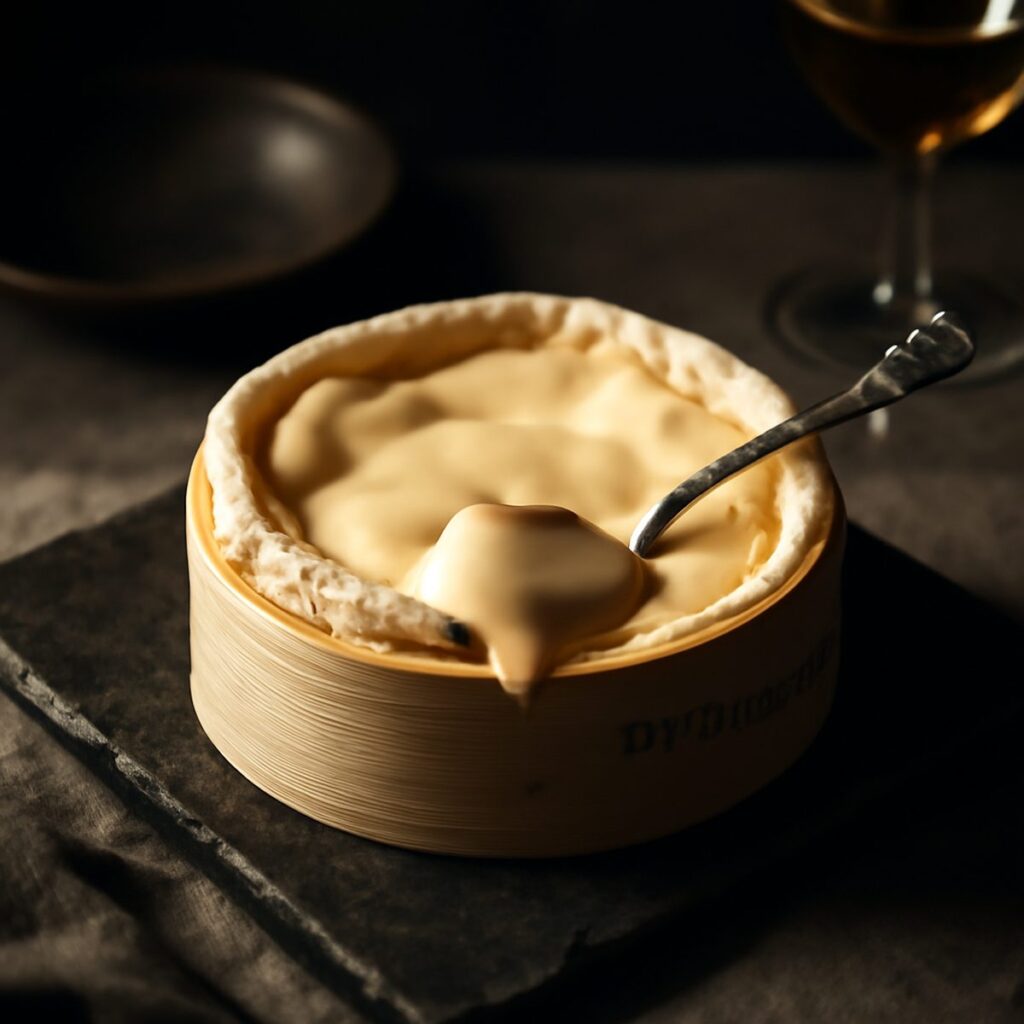
Once blanched, cardoons are wonderfully versatile. The classic treatment is a gratin, the tender stalks layered with cream and cheese and baked until bubbling and golden, a dish of real comfort and quiet luxury. They take beautifully to a rich dairy treatment, and the same instinct that guides a cook towards good cultured dairy, explored in good cultured dairy in the kitchen, serves the cardoon gratin well. They are also superb with anchovy and garlic, in the Piedmontese bagna cauda, where their mild bitterness stands up to the pungent warm dip.
The flavours that suit them
Cardoons love fat, salt and umami, the things that balance their gentle bitterness. Butter, cream, cheese, anchovy, good olive oil and plenty of black pepper are their natural companions. A finished gratin wants a nutty, well-aged cheese, the kind you would choose for a proper the cheese you would choose for a proper board, melted into the cream until it forms a burnished crust. They also pair well with rich meats and are a traditional accompaniment to roasts and braises, where their slight bitterness cuts through the richness.
In Singapore they are a rarity, an occasional find at a specialist grocer, which only adds to their appeal for the curious cook. Treating an unfamiliar vegetable with the respect it deserves, learning its preparation and discovering what it wants, is among the real pleasures of cooking, and the cardoon is an ideal subject for that kind of attention.
A vegetable worth the trouble
The reason cardoons deserve a bigger role is precisely the reason they have a small one, they demand a little effort and a little knowledge. But we have grown too used to vegetables that ask nothing of us, and in the process we have lost touch with a whole category of produce that rewards the patient cook. The cardoon, tender and faintly bitter beneath a blanket of cream and cheese, is a reminder of what that lost effort tasted like. A humbler wild green with a similarly unfashionable reputation is the subject of our piece on why nettles deserve a bigger role.
Seek them out when winter brings them to a good grocer, set aside the hour their preparation asks, and discover a vegetable that has been quietly overlooked for far too long. They are the very definition of the considered, seasonal cooking that runs through so much of Black Cow’s food writing, and the wider collection under the wider Dining & Drinks collection is full of other ingredients that reward exactly this kind of unhurried curiosity. The cardoon simply asks that you extend it a little patience; give it, and it becomes a genuine winter treasure.
A vegetable with a season and a place
Part of what makes the cardoon worth the trouble is that it belongs so firmly to a moment in the year. It is a cold-weather vegetable, at its best in the depths of winter when little else of interest is coming from the ground, and in the regions that prize it a cardoon gratin is as much a part of the festive table as any roast. To cook one is to reconnect with a seasonal rhythm that year-round supermarket produce has done its best to erase, and there is real pleasure in that reconnection.
It is also, quietly, a rather elegant thing to serve. A cardoon gratin, pale and tender beneath its burnished crust of cream and cheese, has a refinement that belies the humble, thistly plant it came from, and to set one before guests who have never encountered it is to offer something genuinely novel. In an age when so much cooking chases the familiar, the cardoon rewards the curious with a flavour and a texture found nowhere else. Seek it out when winter brings it in, give it the hour of patience it asks, and you will understand why the cooks who know it refuse to let it disappear.
Renée has covered Singapore's restaurants for over a decade, with a soft spot for the kitchens most people walk past.