Why Nettles Deserve a Bigger Role
Cooking with nettles turns a common weed into one of spring's great greens. A guide to foraging, handling and using them, from silky soup to vivid sauce.
 By Renée Tan
2 September 2026 · 6 min read
By Renée Tan
2 September 2026 · 6 min read
There is a particular satisfaction in eating something that most people spend their weekends trying to eradicate. The stinging nettle, scourge of gardeners and bare ankles, is one of the finest and most overlooked wild greens available, free for the picking and abundant across temperate climates from early spring. Cook it, and the sting vanishes; what remains is a deep, mineral, spinach-like green with more character than anything you will find in a supermarket. Cooking with nettles is one of the small, quiet joys of eating seasonally, and it deserves a far bigger role than it currently plays.
The reluctance to cook nettles is understandable, given that touching them raw is a memorably unpleasant experience. But the sting is the easiest problem in the kitchen to solve, neutralised entirely by a moment’s cooking or a quick blanch. Once past that small hurdle, the cook gains access to an ingredient that is not only delicious and nutritious but genuinely free, gathered from the hedgerow rather than bought from a shelf. It is food that connects you to the season and the place in a way few cultivated greens can. Nettles are not the only overlooked green worth reconsidering, as our piece on why cardoons deserve a bigger role argues of a more cultivated cousin.
Foraging with sense
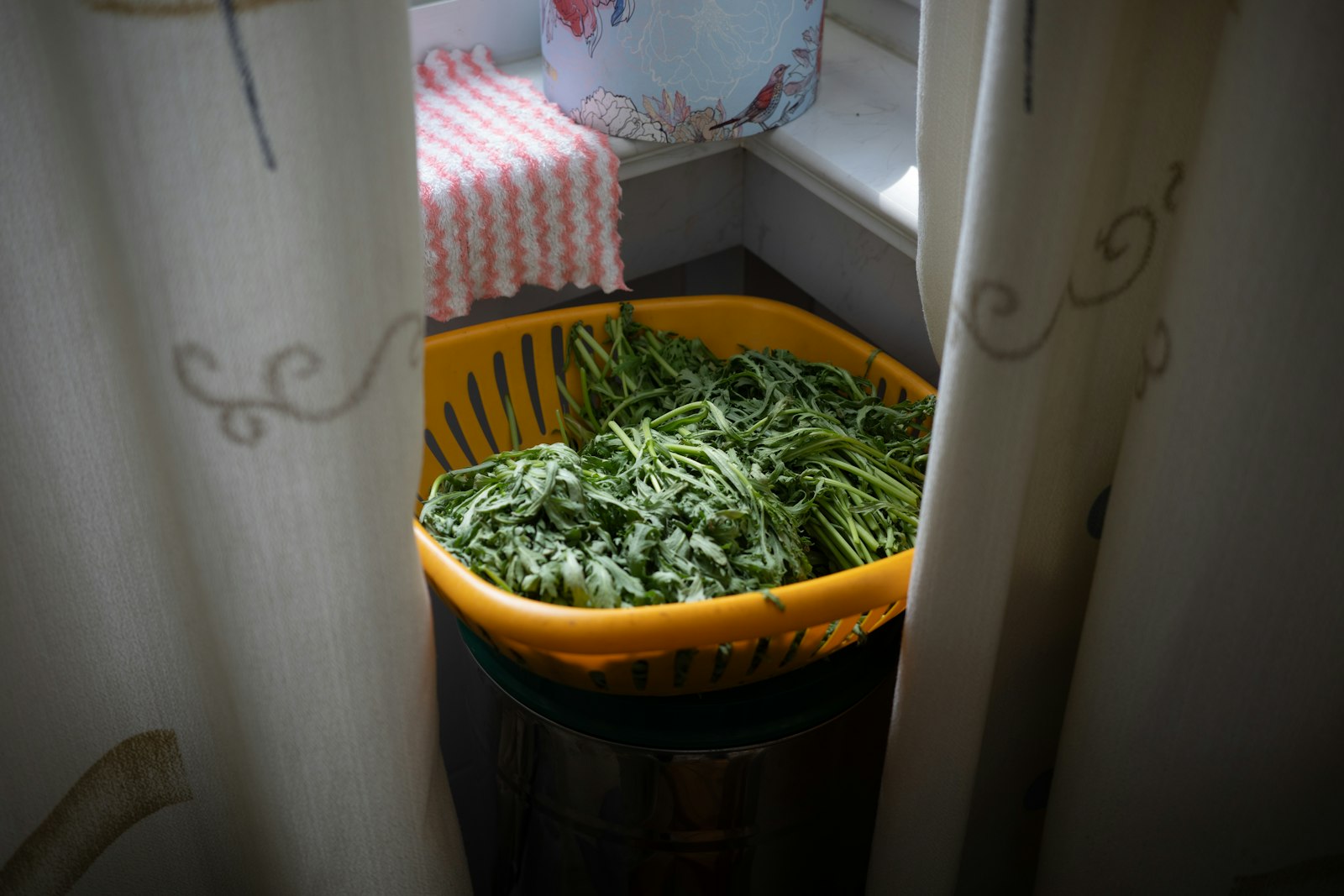
Nettles are best picked in spring, when the young tops are tender and before the plant flowers and grows coarse. Gather the top few pairs of leaves from young plants, wearing gloves, and choose spots away from roadsides and dog-walking paths. This is easy, low-stakes foraging, but it repays the same care and respect for the land that all wild harvesting demands.
That connection to wild and local ingredients is at the heart of some of the most exciting cooking happening today, the kind of ingredient-led thinking championed by the chefs cooking with native ingredients. Nettles are a humble entry into that world, but they embody its spirit: eat what grows around you, in its season, at its best.
Handling and cooking
Once home, wash the nettles well, still wearing gloves, and blanch them briefly in boiling water. This single step destroys the sting completely and sets the vivid green colour. From there, treat them much as you would spinach, though with the understanding that nettles have a deeper, more robust flavour that stands up to richer treatments.
The classic nettle soup
The definitive nettle dish is soup, and for good reason. Sweated onions and potato, a good stock, a generous quantity of blanched nettles, all blitzed to a silky, brilliant green purée: it is one of the great spring soups, earthy and clean and restorative. Nettle soup recipes vary in their embellishments, a swirl of cream, a poached egg, a scattering of croutons, but the essential formula is simple and forgiving.
Beyond the soup
Confining nettles to soup, though, sells them short. Blanched and chopped, they enrich a risotto, fill a ravioli, fold into an omelette or a savoury tart, and stand in for basil in a punchy, earthy pesto. They make a vivid green sauce for pasta or fish, and their robust flavour holds its own against strong companions like anchovy and garlic.
A green that grows wild, costs nothing and tastes of spring itself: the only mystery is why we ever stopped eating it.
This resourcefulness, the turning of a free, overlooked ingredient into something genuinely fine, sits at the heart of the most thoughtful cooking of the moment. It is the same ethic that drives the chefs championing zero-waste kitchens, the refusal to overlook what is abundant and free in favour of the expensive and the flown-in. Nettles are the ultimate expression of that idea.
Nettles beyond the plate
The plant’s usefulness does not end at the dinner table. Dried and steeped, nettles make a clean, grassy tea long valued as a spring tonic, and the cooking water from blanching, far from being waste, makes a mineral-rich base for a stock or a broth. Nothing about the plant need be thrown away, which is part of what makes it such a satisfying ingredient to work with once you commit to it.
There is a longer tradition here, too, of nettles as a country staple in lean seasons, a free source of nourishment when the winter stores ran low and the first green growth of spring was a genuine relief. To cook with them now is to touch that older, thriftier way of eating, and to be reminded that some of the best food has always been the food that costs nothing but a little effort.
A place in the pantry
Nettles do not keep long fresh, but blanched and frozen they hold their colour and flavour well, ready to enrich a soup or a sauce months later. A bag of frozen nettle purée is exactly the sort of quiet resource that marks a well-run kitchen, the kind of foresight that goes into stocking a proper home pantry. It costs nothing but a spring afternoon and pays back all year.
Nourishment as well as flavour
Nettles are not only delicious but genuinely good for you, which is a large part of why country cooks prized them for so long. Rich in iron, vitamins and minerals, they have been eaten and brewed as a spring tonic for centuries, a way of restoring the body after the lean months of winter. That reputation is not mere folklore; the young leaves really are among the more nutritious greens you can gather.
There is something satisfying in an ingredient that is at once free, delicious and nourishing, that asks nothing but a walk and a pair of gloves and gives back so much. It runs counter to the modern assumption that goodness must be bought and that the best food is the most expensive. The nettle quietly disproves both, which is perhaps the most persuasive argument of all for giving it a bigger place at the table.
The renewed interest in local, seasonal and foraged food has its most democratic ingredient in the humble nettle: you need no farm and no supplier to eat it, only a pair of gloves and a walk. It is the sort of honest, resourceful cooking we champion across our dining and drinks writing. Pick some this spring, blanch away the sting, and discover why this common weed deserves a far bigger role at the table.
Renée has covered Singapore's restaurants for over a decade, with a soft spot for the kitchens most people walk past.