Why Autumn Suits the City of Rome
Golden light, mild days and the crowds gone home. Rome in autumn is the eternal city at its most liveable, and the season the knowing traveller waits for.
 By Marcus Lim
1 September 2026 · 6 min read
By Marcus Lim
1 September 2026 · 6 min read
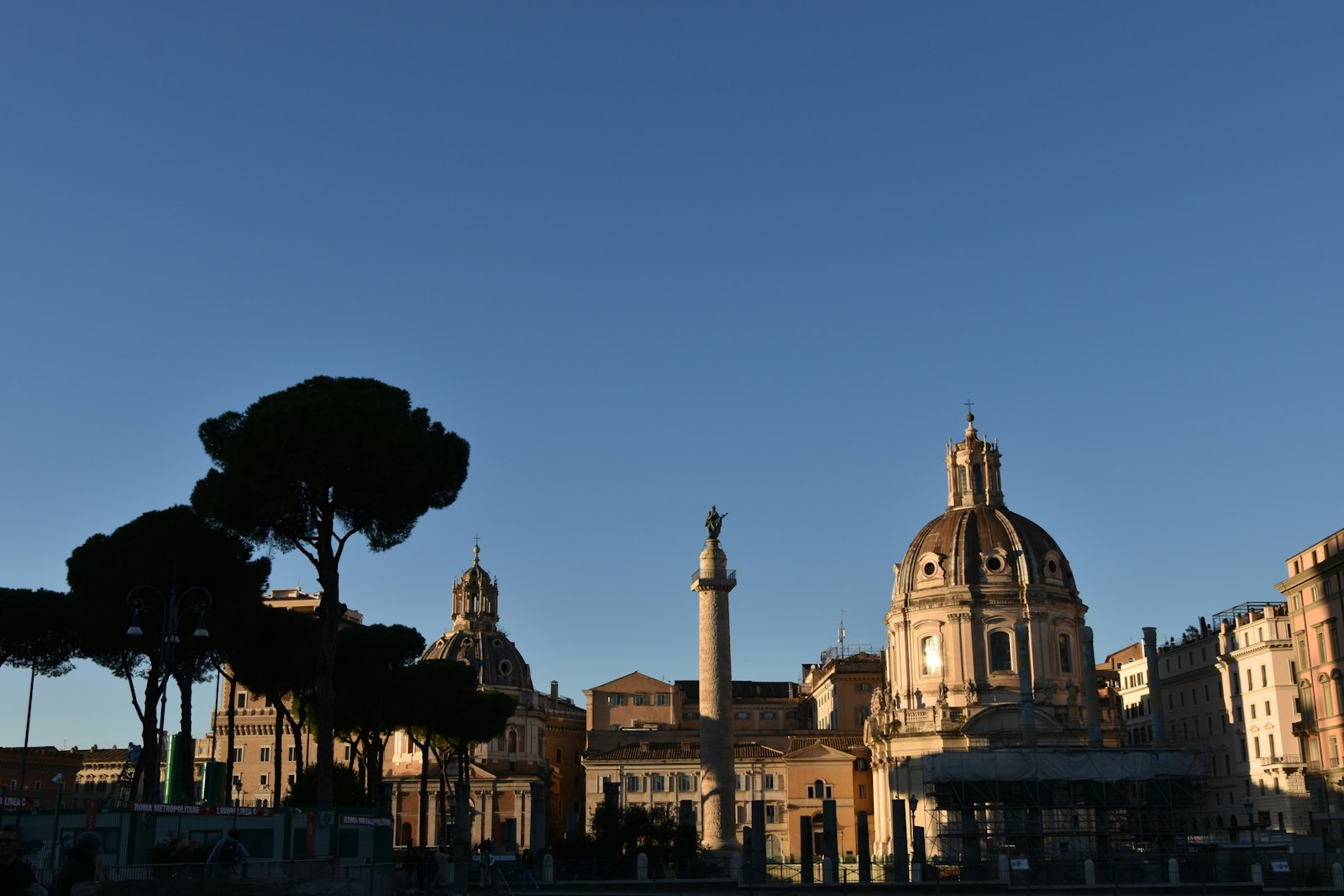
Rome in high summer is a test of endurance: fierce heat, choking crowds, queues melting on the pavement, half the city shuttered while its residents flee to the coast. Rome in the depths of winter can be grey and damp. But Rome in autumn — from the softening of September through the golden length of October and into a mild November — is something close to perfect. This is the eternal city at its most liveable, and rome in autumn is the season the knowing traveller quietly waits for.
The light does the work
The first gift of the Roman autumn is the light. As the summer’s harsh white glare mellows, the city takes on a low, golden quality that seems designed for its architecture. The ochre and terracotta facades glow; the travertine warms; the long shadows across a piazza in the late afternoon turn an ordinary street into a painting. Rome has always photographed well, but in October it barely needs the help. The light alone is reason enough to time a visit for the autumn.
This seasonal alchemy — a great place transformed by the right time of year — is one of travel’s most reliable pleasures, and it is precisely the logic behind why autumn is the best time in the Highlands. The season strips away the crowds and softens the light, and a familiar destination becomes, briefly, a better version of itself.
The crowds go home
The second gift is space. The summer hordes thin dramatically once the school holidays end, and by late October the great sights — the ancient forums, the galleries, the famous fountains — are navigable again, even pleasant. The difference is not marginal. A famous piazza that in August is a shuffling crush becomes, in autumn, a place where you can actually sit, order a coffee, and watch the city be itself. Rome is a city best absorbed slowly, and autumn finally lets you. The same autumn thinning of crowds rewards a smaller European capital too, as our piece on why autumn suits Ljubljana describes.
Rome does not change in autumn; you simply get to see it. The crowds part, the light softens, and the city you came for is finally there.
With the pressure off, the real Rome reveals itself — not the checklist of monuments but the texture of daily life. This is the season to abandon the itinerary and wander:
- Linger over a long lunch in a neighbourhood trattoria as the city returns from the beaches.
- Walk the backstreets of the old quarters with no destination in mind.
- Sit in a piazza in the golden hour and simply watch.
- Visit the great sights early, when the autumn air is cool and the queues short.
- Follow the Romans to the hill towns and vineyards just beyond the city.
The autumn table
Rome eats seasonally, and autumn is one of its finest moments at the table. The markets fill with the produce of the season — artichokes returning, wild mushrooms, chestnuts, the first pressing of the new olive oil, game on the better menus. The Roman kitchen is robust and unfussy at the best of times; in autumn it turns genuinely soulful, all slow-cooked warmth and earthy flavour. Eating well is never difficult in Rome, but autumn makes it a particular joy.
The pleasure of a walking city, cooled
Rome is, above all, a city to be walked, and autumn is the only season that truly allows it. In the summer heat the great distances between the sights become a punishment; by ten in the morning the stone is radiating warmth and every walk is a negotiation with exhaustion. Come October, the temperature settles into that ideal range where you can cross the whole historic centre on foot without a thought, drifting from an ancient ruin to a baroque church to a shaded piazza as the mood takes you. And Rome, more than almost any city, rewards this aimless walking, because its greatest pleasures are not the ticketed monuments but the things you stumble upon between them — a sunlit courtyard, a fountain in an empty square, a market street winding away from the tourist path. In autumn, with the heat gone and the crowds departed, the city finally becomes the endless, walkable open-air museum it is meant to be, and a day spent simply wandering it is a day perfectly spent.
A base for the golden countryside
One of autumn’s underrated Roman pleasures is the ease of escaping the city into the surrounding country, which is at its loveliest as the vines turn. The hill towns, lakes and vineyards within an easy reach of the capital reward a day or two, and the temptation to linger among them is strong — the same temptation that animates a guide to the villages of the Luberon in the French autumn. The countryside around Rome shares that stone-and-vine beauty, and the softer light of the season flatters it just as it flatters the city.
Where to stay
Autumn’s thinner crowds mean the city’s best rooms are easier to secure and often gentler on the wallet than in the summer peak. This is the season to indulge in the kind of grand old Roman hotel whose romance we celebrate in the enduring romance of the grand hotel — high ceilings, a rooftop terrace, the whole city glowing beyond the parapet in the evening light. In autumn, with the heat gone and the crowds departed, such a stay feels less like extravagance and more like the correct way to experience the season.
A word on the shoulder weeks
Timing within the season repays a little thought. The very start of autumn, in early September, can still carry a sting of summer heat and, until the schools return, a lingering share of the summer crowds. The very end, deep into November, brings the first grey rains and shorter days. The sweet spot, for most visitors, is the long golden stretch from late September through the whole of October, when the heat has broken but the light is still generous and the rain still mostly at bay. Book for those weeks if you can, and you catch Rome at the precise moment it is at its most forgiving. Even then, pack for variety: a warm afternoon can turn to a cool evening on a marble terrace, and the trick of the season is to dress in gentle layers you can add and shed as the golden day slides toward a mild Roman night.
The season to choose
If Rome has disappointed you before — too hot, too crowded, too much of a scrum — the fault may lie not with the city but with the timing. Come back in October. Walk the golden streets, sit in the emptying piazzas, eat the autumn table, and watch the light do its slow work on the old stone. This is Rome as it should be experienced, and as the Romans themselves prefer it. More seasonal journeys fill the Travel & Stays section.
Marcus writes on travel and hospitality across Asia, and is happiest a long way from a lobby.