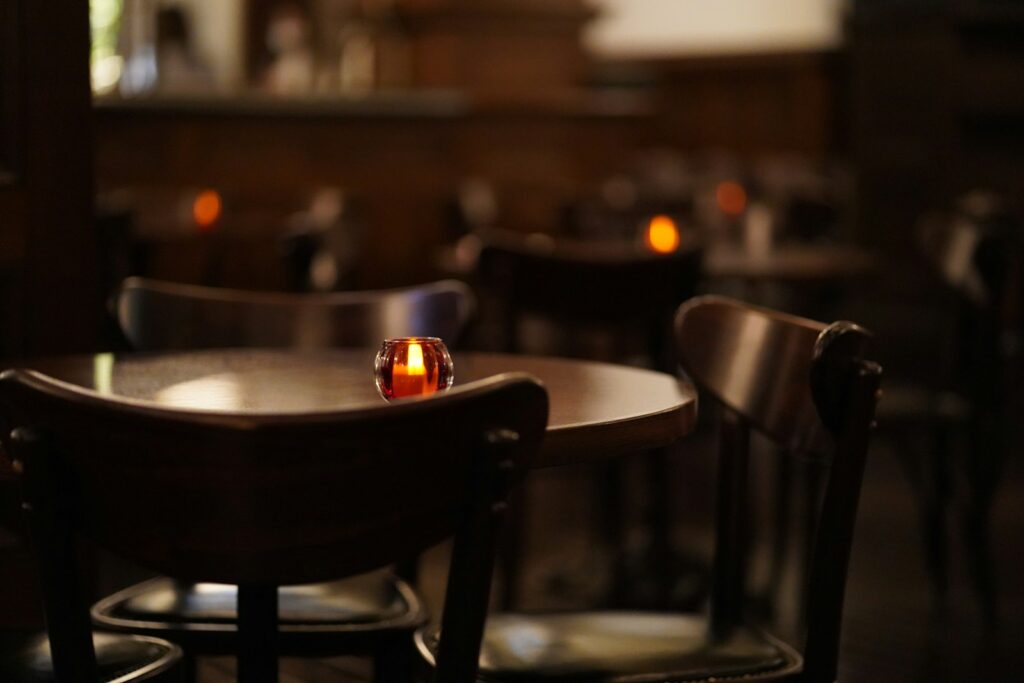
Where to Find Exceptional Omakase in Singapore
A guide to Singapore's best omakase counters, and the honest questions worth asking before you book one — because not every set menu deserves the name.
 By Renée Tan
29 August 2026 · 6 min read
By Renée Tan
29 August 2026 · 6 min read
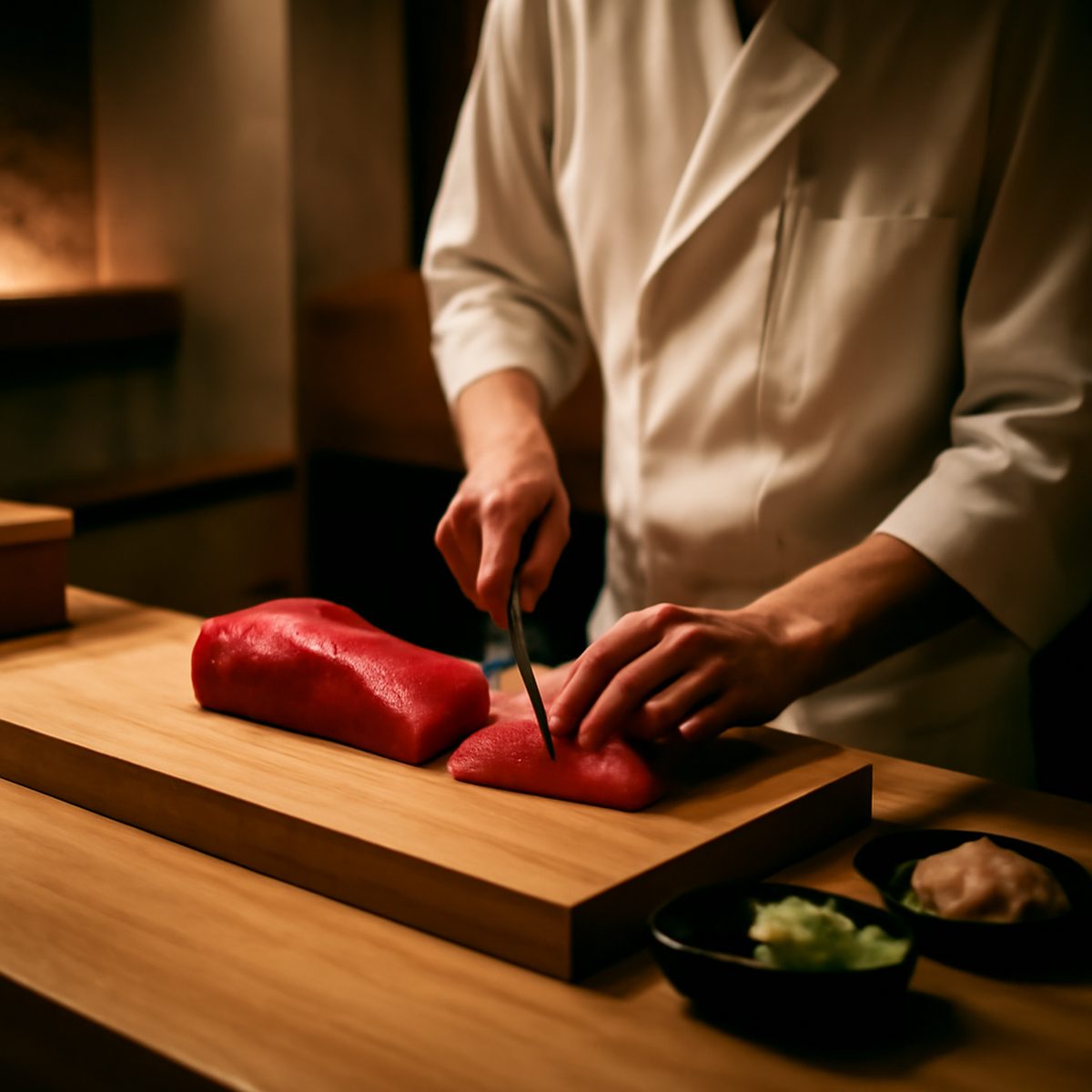
Somewhere in the last decade, “omakase” stopped meaning what it was supposed to mean. The word — literally “I’ll leave it up to you” — describes a specific act of trust between diner and chef, not a fixed-price sushi set with a fashionable name attached. Singapore now has more counters calling themselves omakase than at any point in its dining history, and a smaller number that actually practise it. The difference is worth understanding before you book.
What Real Omakase Actually Requires
A genuine omakase experience depends on three things most counters quietly skip: a chef buying fish that morning rather than from a fixed weekly order, a seating count small enough that every piece can be timed to the diner in front of it, and a willingness to change the sequence entirely if the market delivered something better than planned. When any of these is missing, what remains is a very good tasting menu — which is not nothing, but it is not omakase either.
Reading the Counter Correctly
The tell is usually the rice. At a serious counter, rice temperature is treated as seriously as the fish itself — warmed slightly above room temperature, seasoned with a vinegar blend the chef has likely spent years calibrating, and pressed with just enough pressure to hold together and no more. Order-taking speed is another signal: a chef working from genuine seasonal instinct will pause, sometimes noticeably, between pieces, reading the diner’s pace rather than running a rehearsed script.
Singapore’s Particular Advantage
Singapore’s position as a logistics hub gives its best counters an unusual edge: same-day or next-day access to Toyosu auction fish that even some mid-tier Tokyo restaurants can’t match on consistency, thanks to direct flight routes and an increasingly sophisticated cold-chain network built for the city’s broader appetite for imported produce. The best chefs here have learned to use that advantage without leaning on it as a marketing line — the fish speaks for itself, or it doesn’t.
- Ask whether the menu changes daily or weekly — daily is the real signal.
- A counter of eight seats or fewer usually indicates serious intent.
- Notice whether the chef explains each piece unprompted, or waits to be asked.
- Rice served slightly warm, never cold, is the clearest technical tell.
Beyond the Fish: The Room Itself
The physical counter matters more in omakase dining than almost any other format, because the experience is built on proximity — watching a chef work, hearing the small decisions made in real time. A counter carved from a single slab of hinoki, still faintly fragrant, changes the register of a meal in ways a lacquered surface never quite manages. Black Cow has written before about counters built around exactly this kind of intimacy, including a two-Michelin-star dining room that seats barely a dozen and the wider movement of chefs rewriting Singapore’s menu from behind the counter itself.
“I don’t decide the menu until I’ve seen what came in that morning,” says one chef running a nine-seat counter in the east. “If I tell you what you’re eating a week in advance, I’m not doing omakase. I’m doing a set menu with better lighting.”
The Etiquette Worth Knowing
Omakase dining carries a few unwritten rules that separate a comfortable guest from an awkward one. Strong perfume or cologne is generally discouraged, since it competes directly with the delicate aromas of raw fish that the chef has spent the morning selecting. Photography, once tolerated everywhere, is now often limited to a single shot at the start of the meal rather than a photo before every course — largely because the pause required breaks the timing a chef has built the sequence around. Conversation with the chef is welcomed at most counters, but reading the room matters: a chef mid-slice, concentrating, is not the moment for a lengthy question. For a more relaxed way to enjoy similar fish, see our guide to the best sushi counters beyond omakase.
Pacing is worth trusting rather than second-guessing. A well-run omakase sequence typically moves from lighter, more delicate fish toward richer, fattier cuts, before finishing with something warm — often a simmered dish or soup — and the sequence is rarely arbitrary. Asking for a piece out of order, however politely, can genuinely throw off a chef’s carefully built rhythm.
What Separates the Truly Exceptional From the Merely Good
At the highest level, the difference often comes down to rice temperature control across an entire seating, knife technique fine enough to leave almost no resistance when biting into a piece, and a chef’s ability to read a table’s pace without being told. These are subtle distinctions, more felt than described, and they are precisely why the best counters in Singapore remain difficult to book more than a month out despite the crowded field of imitators.
Booking It Properly
The best counters in Singapore now book out four to eight weeks ahead, and the etiquette around omakase dining rewards a little homework: arriving on time matters more here than at almost any other restaurant format, because a chef working to a live sequence cannot simply hold a course. Dietary restrictions are worth disclosing well in advance rather than at the counter — a chef who has planned a market-driven sequence around fish rather than substitutions needs the lead time to do the meal justice.
For those building an evening around the meal, Black Cow has also profiled a chef who cooks only what the tide brings, a kindred spirit in the same market-first philosophy that defines the best omakase counters, and keeps a running list of tables worth booking this month for anyone planning further ahead.
What You’re Actually Paying For
The price difference between a genuine omakase seating and its imitators rarely comes down to the fish alone — sourcing costs are real but not infinite. What you’re paying for is the chef’s judgement, exercised in real time, seat by seat, on your behalf. That is a harder thing to fake than good tuna, and it’s the reason the best counters in this city, despite the crowded field claiming the same word, remain genuinely difficult to book. For more of the city’s essential tables, see Black Cow’s Dining & Drinks section.
Renée has covered Singapore's restaurants for over a decade, with a soft spot for the kitchens most people walk past.