Understanding Watch Lume and Legibility
A guide to how watch lume actually works, why legibility mattered before it was fashionable, and how to test a watch glow properly before buying it.
 By Daniel Koh
30 August 2026 · 6 min read
By Daniel Koh
30 August 2026 · 6 min read
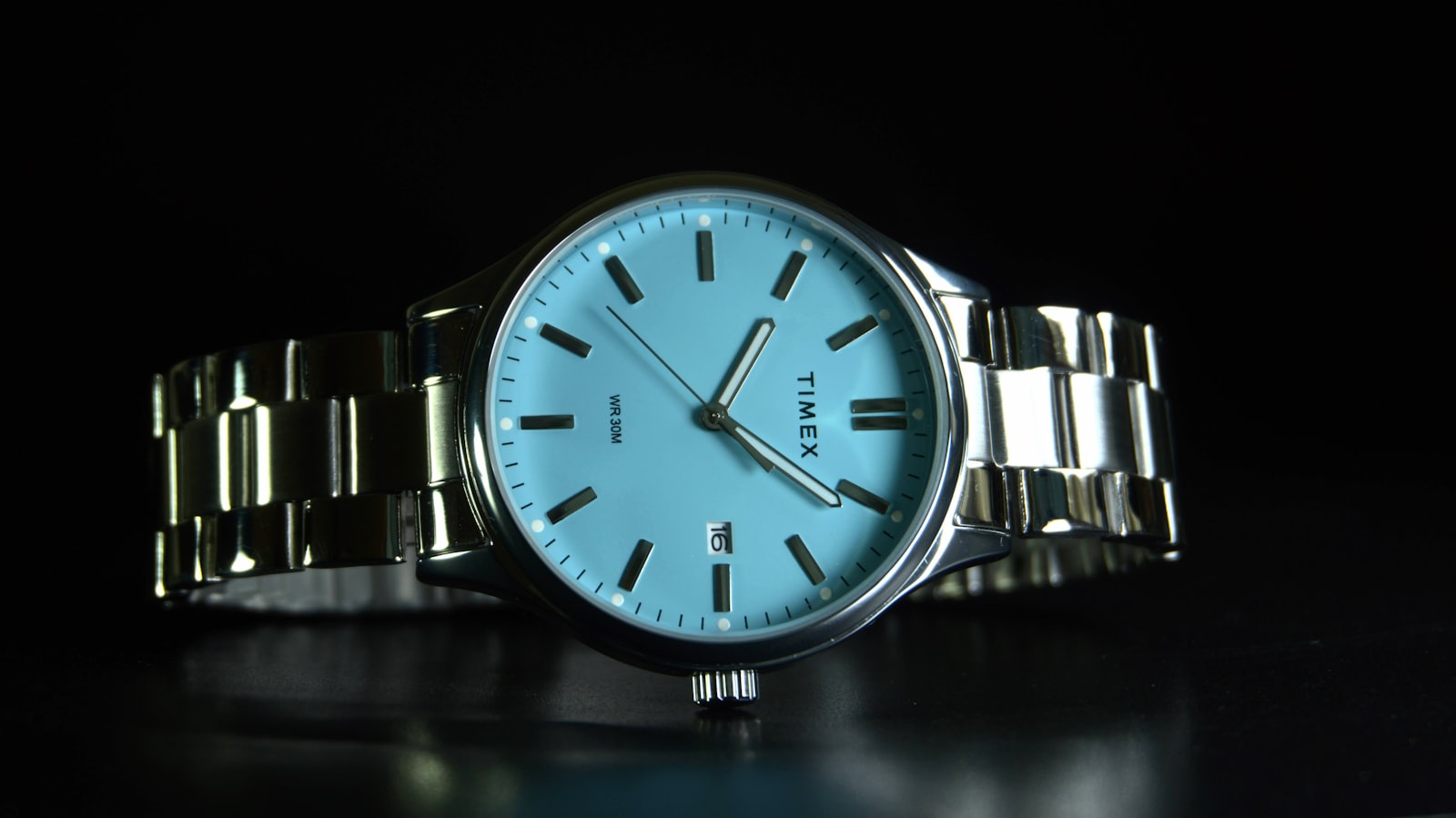
Most watch buyers can describe a movement’s power reserve or a case’s water resistance rating without hesitation, but ask the same person to explain what makes one watch’s luminous markers actually legible in the dark, and the conversation usually stalls. This is a genuine gap, because legibility, the ability to read the time quickly, in poor light, at a glance, was the entire original purpose of the wristwatch as a tool. A proper watch lume guide starts from that history rather than treating luminescence as a novelty feature bolted onto an otherwise ordinary dial.
What Lume Actually Is
Modern watch lume is almost universally a photoluminescent compound, typically a strontium aluminate formulation, applied to hands and hour markers in a thin layer. It works by absorbing ambient light energy during the day and slowly releasing it as a soft glow in darkness, a chemical process entirely unrelated to radioactivity, unlike the radium-based lume used decades ago, now considered a serious safety hazard in vintage pieces still occasionally found on the secondhand market. The quality of a modern lume application depends almost entirely on the thickness and evenness of that layer, which is precisely why some watches glow brightly for hours while others fade to nothing within twenty minutes of removing them from light.
Legibility Is More Than Just Glow-in-the-Dark Markers
Genuine watch legibility is a broader design discipline than lume alone. Contrast between hands and dial, the size and shape of hour markers, and the absence of unnecessary complications cluttering the dial all contribute as much as luminescence does. A watch with excellent lume but poor daytime contrast between its hands and dial is only half legible, it solves the dark half of the problem while ignoring the bright half entirely. The most successful legible designs treat both conditions as equally important from the very first sketch, rather than treating night-time legibility as an afterthought bolted on once the daytime dial has already been finalised.
What Separates Good Lume From Great Lume
- Even, generous application across every hand and marker, not just the twelve o’clock index
- A charge time of a few minutes under normal light, rather than requiring direct sun exposure
- A glow that remains genuinely readable after six or more hours in full darkness
Where This Discipline Matters Most
Legibility was never an abstract design goal, it emerged from specific professional needs. Military field watches were built around the need to read the time quickly in low-light combat conditions, a history explored in the field watch, and its quiet appeal, which prizes plain, high-contrast dials over any decorative complexity whatsoever. Dive watches took the same discipline underwater, where lume genuinely becomes a safety feature rather than a convenience, a subject covered thoroughly in the dive watch, explained, a diver needs to read remaining bottom time accurately in murky, dark water, and a poorly lumed bezel is a real hazard rather than a minor inconvenience. Pilots’ watches, similarly, prioritised instant legibility for exactly the reasons laid out in the pilot’s watch and its history, a cockpit is no place to squint at a cluttered dial mid-flight.
Buyers ask about power reserve and complications constantly. Almost nobody asks how the watch reads at two in the morning, which is usually when it matters most.
Lume and Water Resistance Often Travel Together
It is not a coincidence that watches with the most serious lume applications also tend to carry serious water resistance ratings, both trace back to the same tool-watch heritage, built for professionals who needed genuine reliability rather than decorative features for their own sake. Understanding one discipline tends to deepen an appreciation for the other, and readers newer to the mechanics involved may find understanding watch water resistance a useful companion piece to this one, since both disciplines grew from the same demanding professional environments.
How Lume Application Actually Differs Between Manufacturers
Not every brand applies lume with the same care, even at similar price points. Some manufacturers hand-apply the compound under magnification, ensuring even thickness across every marker, while others use a faster, less precise application process that can leave certain hour markers noticeably dimmer than others once the room goes dark. This inconsistency is rarely mentioned in specification sheets, since there is no industry-standard measurement most brands publish voluntarily, which makes an in-person test, or at minimum a trusted independent review, considerably more useful than any marketing claim about lume performance printed on a box or a website.
Colour Choices Beyond the Traditional Green Glow
The classic green-blue glow most people associate with watch lume is a default rather than a technical necessity, and manufacturers now offer the same underlying compound in shades ranging from a warm amber to a cooler blue-white, largely as an aesthetic choice rather than a functional one. Some limited editions push this further still, using contrasting lume colours on different hands specifically to improve legibility by helping the eye distinguish the hour hand from the minute hand at a glance in the dark, a genuinely useful trick borrowed from aviation instrument design, where distinguishing between similar-looking indicators quickly can matter considerably more than it does on an ordinary wristwatch checked casually throughout the day.
Testing Lume Before Buying
The simplest test, when trying on a watch in a shop, is to ask the retailer to charge the piece under a bright light for a minute and then view it inside a dark bag or cupped hands. The difference between a mediocre lume application and an excellent one is immediately, unmistakably obvious this way, far more reliable than any spec sheet claim printed by the manufacturer itself. For a feature this functional, there is genuinely no substitute for seeing it glow in person before committing. Further guidance on evaluating watches by function rather than marketing sits within the wider Style & Watches section, worth a browse before the next serious purchase, whether the goal is a first field watch or a considered upgrade to a longstanding collection built carefully over many years of collecting.
Daniel has spent fifteen years arguing that the best watch is the one you never take off.