The Return of the Wood-Panelled Room
Wood panelling is back in considered interiors, softening rooms that had grown too pale and bare. Here is how to bring it in without dating the room fast.
 By Priya Nair
30 August 2026 · 6 min read

For roughly a decade, the dominant instinct in considered interiors was to strip a room back — white walls, pale timber, an absence of ornament treated as the height of taste. That instinct has, quite visibly, run its course, and wood panelling’s return is one of the clearest signs of what has replaced it: a hunger for warmth, texture and rooms that feel gathered rather than merely finished. Done well, panelling brings a sense of permanence that paint alone cannot manage, softening acoustics, hiding a multitude of wall imperfections, and giving a room the kind of depth that photographs differently depending on the hour and the light. Done badly, it reads instantly as a dated 1970s den. The difference lies almost entirely in proportion, tone and restraint.
Choosing the Right Wood, and the Right Tone
The panelling trend that has returned is deliberately warmer and lighter than its heavy, dark-stained predecessor. Oak, ash and light walnut have replaced the near-black mahogany that once defined a "panelled room" in most people’s minds, and the shift matters enormously for how a space actually feels day to day. A pale or mid-toned wood reflects light rather than absorbing it, which keeps a panelled room from feeling closed-in — a genuine risk in Singapore’s smaller floor plans, where a heavy dark finish can shrink a room’s apparent size considerably. A matte or lightly oiled finish, rather than high-gloss lacquer, also does a great deal to keep panelling feeling residential rather than corporate, avoiding the boardroom association that dark, glossy timber inevitably carries.
Where Panelling Earns Its Keep
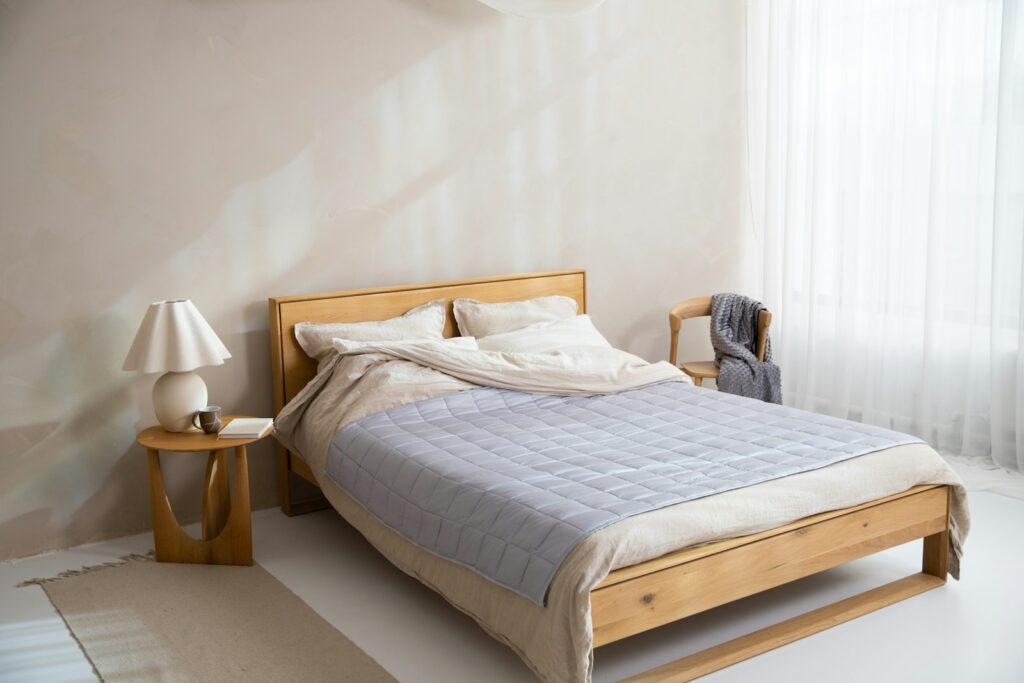
Not every wall benefits equally from panelling, and knowing where to apply it is as important as choosing the wood itself. A study or home library is the most obvious candidate, since panelling’s acoustic softening and sense of enclosure suit a room meant for quiet, focused time. A dining room benefits similarly, panelling bringing warmth to a space that is otherwise often dominated by hard surfaces — table, floor, chairs — and little to absorb sound or soften the eye. Bedrooms, particularly a headboard wall treated with vertical slatting, have become one of the more popular applications, giving a sense of architecture to a wall that would otherwise be entirely flat. Bathrooms and kitchens, by contrast, generally need moisture-resistant alternatives rather than solid timber, given the humidity both rooms regularly generate. Bedrooms for younger members of the household can also be designed to grow up gracefully, as the considered kids’ room, grown-up explores.
Panelling styles worth considering
- Vertical slatting — slim battens spaced evenly, a lighter and more contemporary take
- Traditional raised-panel — classic rectangular panels, best suited to period or formal rooms
- Board-and-batten — flat boards with a raised strip at each seam, a versatile middle ground
- Full-height veneer panels — large, seamless sheets for a cleaner, more minimal effect
- Partial or wainscot-height panelling — panelling to waist or shoulder height, paint above
Proportion Is the Whole Argument
The single biggest determinant of whether a panelled room reads as considered or dated is proportion — the relationship between the panelling’s height, the room’s ceiling height, and the scale of whatever furniture sits against it. Full-height panelling suits a room with genuine ceiling height to spare; in a lower-ceilinged room, it can feel oppressive, whereas a wainscot-height treatment, panelling to waist or shoulder height with paint or plaster above, keeps the same warmth without the enclosure. Vertical slatting, spaced with intention rather than crammed edge to edge, tends to be the most forgiving option for smaller or lower rooms, since its vertical lines draw the eye upward and create an illusion of height that horizontal panel divisions work against. Of all the profiles available, one traditional form carries particular depth, and the quiet craft of the fielded panel explains how its bevelled edges catch the light.
Panelling should feel like it was always there, not like it arrived last season.
Panelling for Singapore’s Climate
Solid timber panelling behaves differently in Singapore’s humidity than it does in the temperate climates where the current trend largely originated, and it is worth accounting for before committing a whole room to it. Genuine solid wood will expand and contract slightly with seasonal humidity swings, and in a fully air-conditioned interior, that movement is usually modest and manageable. A well-sealed engineered veneer panel, built over a stable substrate, tends to move less than solid timber and is often the more practical choice for a full-height treatment, without sacrificing much of the visual warmth solid wood provides. Ventilation behind the panelling — a small air gap rather than direct adhesion to a damp wall — also matters more here than it would in a drier climate, preventing moisture from becoming trapped and causing the timber to warp or, worse, encouraging mould behind a surface that looks perfectly fine from the front.
Pairing Panelling With Furniture and Art
A panelled wall changes how everything placed against it reads, which is worth planning for rather than discovering after installation. Artwork benefits from simple, thin frames rather than ornate ones, since the panelling itself already supplies texture and the wall no longer needs a heavily decorated frame competing for attention. Furniture upholstered in a plain fabric, rather than a bold pattern, tends to sit more comfortably against panelling’s own visual rhythm, letting the wood’s grain and joinery lines remain the room’s main textural interest rather than fighting a second competing pattern. Lighting also deserves reconsideration — a wall-mounted or picture light angled across the panelling’s surface brings out the grain and the shadow lines between boards in a way that a single central pendant, aimed straight down, tends to flatten.
Living With It Long-Term
Wood panelling, chosen and installed properly, is one of the few interior trends genuinely built to outlast the cycle that brought it back into fashion — a well-made panelled wall in a considered tone will look as appropriate in fifteen years as it does today, in a way that a painted feature wall or a passing wallpaper trend rarely manages. It is worth treating as a structural decision rather than a decorative one: get the proportion and tone right at the outset, and the room will not need revisiting each time interior fashion turns again. That permanence, more than the warmth or the texture, is ultimately panelling’s real argument.
Explore further in Homes & Culture, including the case for a proper home library, the bedroom, pared back, and the art of the reading chair for the furniture that suits a panelled room best.
Priya tours the homes most people only glimpse from the road, and asks how they are really lived in.