The Considered Kids’ Room, Grown-Up
The children's room has long been treated as a design exemption. Here is how to apply the same material quality and restraint used elsewhere in the home.
 By Priya Nair
30 August 2026 · 5 min read

The children’s room has traditionally been treated as a design exemption — a space where the usual rules of a considered home are suspended in favour of primary colours, cartoon characters and furniture built to be outgrown within a few years. A growing number of homeowners are questioning that exemption, applying the same material quality, restraint and longevity to a child’s room that they would to any other space in the home, with results that tend to age far better, both literally and stylistically, than the traditional approach.
Colour without the primary-palette default
The instinct to fill a child’s room with bright, saturated primary colours is understandable but rarely necessary, and rarely as beloved by the children themselves as adults assume. A softer, more considered palette — dusty blues, warm terracottas, muted sage — can incorporate genuine playfulness through pattern, texture and a handful of well-chosen accent pieces, without committing the entire room to a colour scheme that will need to be fully redone within a few years as a child’s tastes inevitably shift. Colour without trying too hard is as relevant a principle in a nursery as it is in a wardrobe — restraint reads as considered, while an overloaded palette simply reads as busy, regardless of the room’s occupant’s age.
Furniture that grows with the child, not against them
The most wasteful category of children’s furniture is the kind designed explicitly for a narrow age range — a toddler bed replaced within two years, a low desk outgrown almost as quickly. Furniture chosen with genuine longevity in mind, such as a cot that converts into a toddler bed and eventually a small single bed, or a desk with an adjustable height, dramatically reduces both cost and waste over a child’s early years, while also allowing the room’s overall design language to remain coherent rather than being periodically rebuilt from scratch.
Investment pieces worth choosing well from the start
- A convertible cot-to-bed frame, built from genuinely durable materials rather than the thinnest, cheapest available option.
- An adjustable-height desk and chair, capable of serving a child from early primary years through to adolescence.
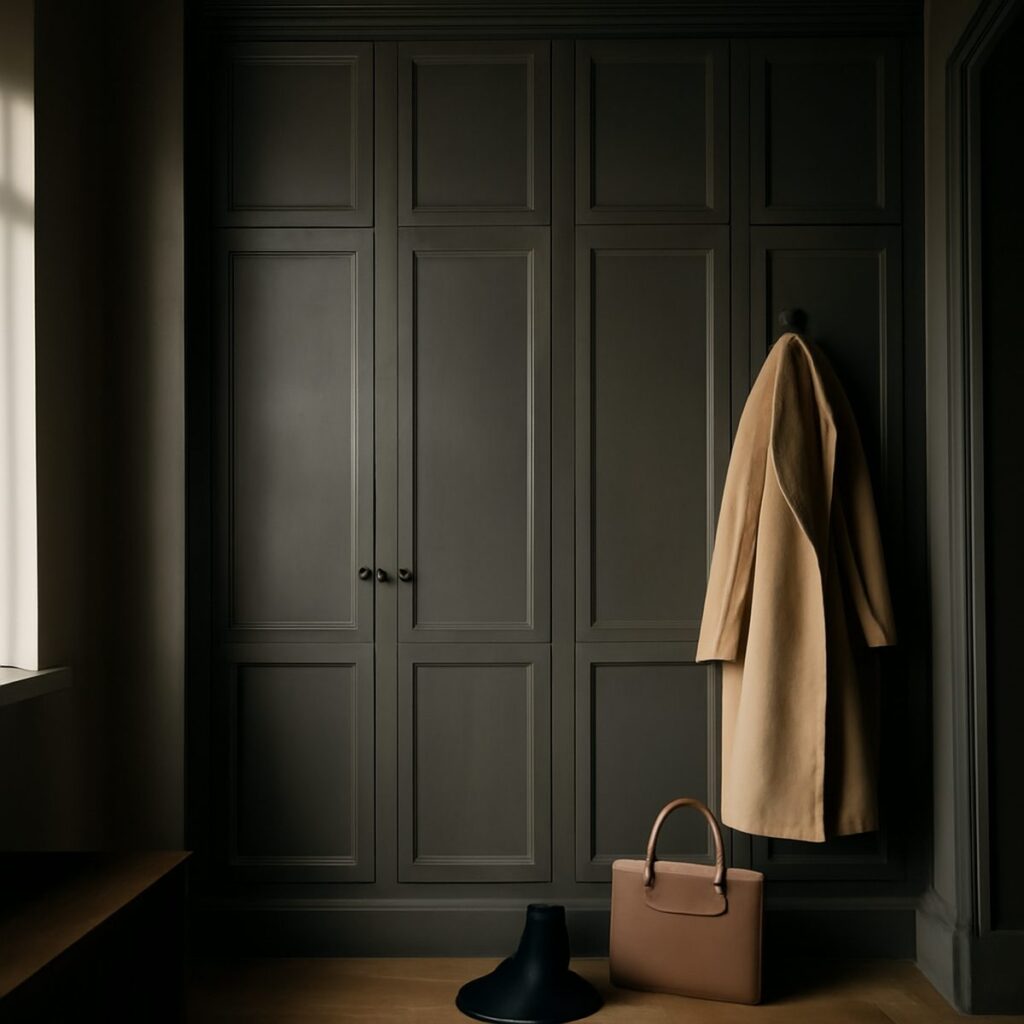
- Full-height, adjustable wardrobe shelving that can be reconfigured as clothing sizes and storage needs change.
Storage that teaches tidiness rather than fighting it
A child’s room accumulates possessions faster than almost any other space in a home, and storage that is genuinely accessible — low, open bins for toys, hooks at a child’s own height for bags and coats — does more to encourage independent tidiness than storage designed purely around adult convenience and aesthetics. This mirrors the broader logic behind considered home storage generally: give every category of object a genuinely practical place, sized and positioned for the person actually using it, and tidiness becomes considerably easier to maintain without constant adult intervention.
“We designed our daughter’s room like we’d design any other room in the house,” one parent told us, “and she’s never once complained it doesn’t feel like a ‘kid’s room’ — she just calls it her room.”
Materials that tolerate genuine daily use
A considered children’s room still needs to survive the realities of childhood — spilled drinks, crayon experiments, the general enthusiasm with which children interact with their surroundings. This makes durable, easily cleaned materials genuinely important rather than merely a nice-to-have: a washable paint finish, a rug in a forgiving pattern rather than a delicate pale solid, furniture with rounded edges and a finish that tolerates scuffing without looking immediately shabby. None of this requires sacrificing considered design; it simply requires choosing materials with a child’s actual daily use in mind, the same way any well-designed room considers its occupants’ real habits.
Wall finishes deserve particular thought in this respect. A washable matte or eggshell paint, rather than a delicate flat finish that marks permanently at the first crayon encounter, allows walls to be wiped clean repeatedly without the room needing an early repaint. Some families opt for a dedicated section of chalkboard or whiteboard paint specifically to channel a child’s natural instinct to draw on walls into a sanctioned, easily reset surface, sparing the rest of the room from becoming an impromptu canvas.
Lighting suited to both play and rest
A children’s room genuinely benefits from the same layered lighting approach recommended elsewhere in a considered home — bright, even overhead light for active play and homework, supplemented by a softer, dimmable bedside lamp for winding down before sleep. A single harsh overhead light, left as the room’s only source, makes the transition from active play to calm bedtime routine considerably harder to achieve, since the room’s lighting never actually signals that shift on its own.
A gentle night light, positioned low and away from direct sightlines to the bed, rounds out a considered lighting plan without disrupting sleep, offering just enough illumination for reassurance without the brightness that can interfere with a child settling down for the night. A dimmable option, rather than a fixed single brightness, gives even more flexibility as a child’s own preferences shift and change with age over time.
Texture and softness balance the room’s practicality
A room built primarily around durability can tip into feeling clinical without careful attention to texture — a soft rug underfoot, layered bedding, a considered mix of tactile materials that mirror the same instinct behind designing with texture rather than colour alone elsewhere in the home. Texture also does genuine developmental work for younger children, offering tactile variety that a flat, uniform surface simply cannot provide.
A considered children’s room, done this way, does not need to be reinvented every few years as a child grows, nor does it need to sacrifice genuine play and personality for the sake of restraint. It simply applies the same care to a child’s space that a considered home applies everywhere else — furniture, colour and storage chosen to last, to be genuinely used, and to grow alongside the person living in it. For more considered approaches to the home, visit Homes & Culture.
Priya tours the homes most people only glimpse from the road, and asks how they are really lived in.