
The Return of the Corduroy
Corduroy has shed its academic, slightly dusty reputation and become genuinely versatile again. Here is how to wear it so it looks current, not costume.
 By Daniel Koh
30 August 2026 · 6 min read
By Daniel Koh
30 August 2026 · 6 min read
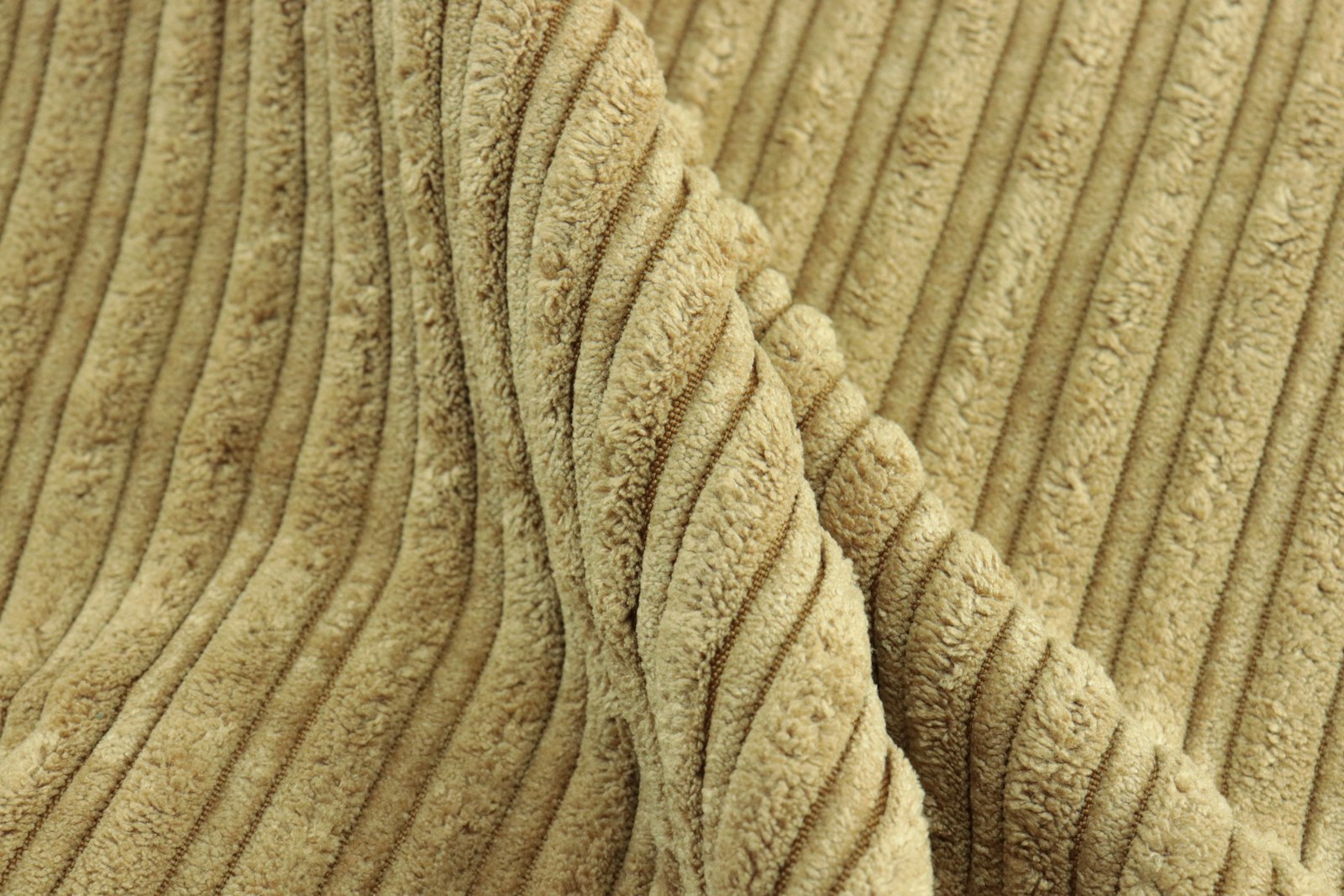
Corduroy has always had an image problem, unfairly filed alongside elbow patches and pipe smoke as a fabric belonging strictly to a certain kind of academic. That reputation has softened considerably in recent seasons, as a new generation of tailors and designers have rediscovered what the fabric actually does well: warmth, texture and a considered informality that few other cloths manage quite as effectively, and that a wardrobe built mostly around flat, technical fabric has quietly been missing.
Understanding wale width
Corduroy is defined by its “wale” — the ridged cords running vertically through the fabric — and the width of that wale changes both the overall look and the formality of the finished garment quite considerably. A fine, narrow wale, sometimes called pinwale or needlecord, reads as considerably more refined and works well in tailored trousers or a jacket meant for genuinely smart-casual settings. A wider, chunkier wale has a heartier, more rustic character, suited best to more relaxed weekend pieces. Choosing the right wale for the intended use matters more than most first-time buyers ever expect.
Trousers: where corduroy earns its keep
Corduroy trousers have become one of the more genuinely versatile additions to a considered autumn and winter wardrobe, offering real warmth alongside a texture that dresses up a casual outfit without requiring a full suit. Paired with a knit and a pair of Chelsea boots, they read as considered off-duty wear; paired with a blazer, they can hold their own in a smart-casual office setting that does not demand full tailoring.
- A fine-wale corduroy trouser in tobacco or olive for the most versatile everyday wear
- A wider-wale option in a heavier weight for genuinely cold weather
- A corduroy jacket or overshirt, worn open over a knit, as a lighter alternative to a full wool coat
Colours worth considering
Corduroy’s texture already does a considerable amount of visual work on its own, which means the safest colour choices tend to be warm, earthy tones — tobacco, olive, burgundy, a deep mustard — rather than anything too bright. These shades also happen to suit the fabric’s autumnal associations naturally, without leaning into costume-like nostalgia the way a bright, mustard-heavy 1970s palette might.
Styling it for the current decade
The single mistake that dates corduroy fastest is pairing it with equally retro pieces — a wide-lapel jacket, an oversized collar — which together read as a costume rather than a genuinely considered outfit. The better approach pairs corduroy against otherwise contemporary, slim-cut pieces: a clean knit, a modern-fit shirt, simple leather boots. The fabric’s texture provides plenty of visual interest on its own; it does not need matching vintage styling to feel intentional. For the trousers that do the most work across a week, our look at everyday trousers, reconsidered applies the same restraint.
“Corduroy works best when everything around it is quiet,” a Singapore-based stylist told us. “Let the texture be the whole statement.”
Layering corduroy correctly
Because the fabric already carries real texture and weight, corduroy layers best against smoother, simpler pieces rather than competing textures. A fine cotton shirt or a plain knit underneath lets the corduroy do the visual work, while a similarly textured piece — tweed, bouclé, another heavy weave — layered alongside it risks looking overloaded rather than considered. The same restraint that governs the quiet art of layering more broadly applies with particular force here, since corduroy rarely needs additional visual noise to hold a room’s attention.
The corduroy jacket versus the corduroy blazer
A softer, unstructured corduroy jacket — closer in construction to an overshirt than tailoring — suits the most casual end of the spectrum, worn open over a T-shirt or knit. A properly structured corduroy blazer, cut with a canvassed chest and proper shoulder line, can hold its own in smart-casual settings that call for something more considered than a soft jacket but less formal than full wool tailoring. Understanding which register a specific piece is aiming for prevents the common mistake of wearing a soft, casual corduroy jacket somewhere it reads as underdressed.
Corduroy in a tropical wardrobe
For anyone living somewhere warm, corduroy is best treated as an evening or air-conditioned-setting fabric rather than daily wear, given its weight and lack of breathability compared with cotton or linen. A single fine-wale corduroy jacket, kept for cooler evenings or trips abroad, offers enough versatility without requiring a full seasonal wardrobe built around a fabric genuinely designed for colder climates. It pairs particularly well with the kind of knitwear worth investing in for similar occasions.
Pairing with knitwear correctly
A roll-neck knit under a corduroy jacket is one of the more reliable combinations of the colder months, offering warmth without bulk and a clean silhouette at the collar that a shirt cannot always match under a heavier layer. For anyone building this pairing into a regular rotation, the art of the roll-neck is worth reading alongside this guide, since the two pieces work best when chosen with each other specifically in mind rather than assembled as an afterthought.
Caring for the fabric
Corduroy holds dust and lint more readily than smoother fabrics, thanks to its ridged texture, and benefits from a light brush before wear. Dry cleaning is generally the safer choice for tailored corduroy pieces, while sturdier trousers can often withstand a gentle machine wash on a cool setting — checking the specific care label remains essential, since weight and construction vary considerably between garments.
A short history of the fabric
Corduroy’s roots trace back centuries, to heavy-duty workwear fabric prized for its durability long before it became associated with campus common rooms. That practical origin still shows in how the fabric behaves — genuinely hard-wearing, resistant to everyday wear in a way that many fashion fabrics simply are not, which partly explains why a good pair of corduroy trousers, properly cared for, can outlast several seasons of trend-driven purchases made elsewhere in the very same wardrobe.
The case for bringing it back properly
Corduroy’s return owes less to nostalgia than to a genuine appreciation for texture in a wardrobe increasingly dominated by flat, technical fabrics. Worn with a contemporary eye — clean silhouettes, considered colour, no vintage over-styling — it reads as a genuinely modern choice rather than a throwback, and a genuinely durable one at that. For more on building a considered wardrobe around fabric and texture, browse the rest of our Style & Watches coverage.
Daniel has spent fifteen years arguing that the best watch is the one you never take off.


