The Return of the Breakfast Nook
A well-designed breakfast nook does more work than a dining table twice its size. Here is why the built-in banquette is making a genuine comeback now.
 By Priya Nair
30 August 2026 · 6 min read
By Priya Nair
30 August 2026 · 6 min read

There is a particular kind of kitchen corner that most people recognise instantly even if they cannot name it: a built-in bench, usually upholstered, wrapped around a small table under a window, distinct from the main dining table and used for the meals that actually happen most often — a quick breakfast, a coffee mid-morning, homework spread out after school. The breakfast nook fell out of fashion for a couple of decades as open-plan kitchens with large central islands took over, and it is now making a genuine and, on balance, sensible return.
Why it disappeared, and why it is coming back
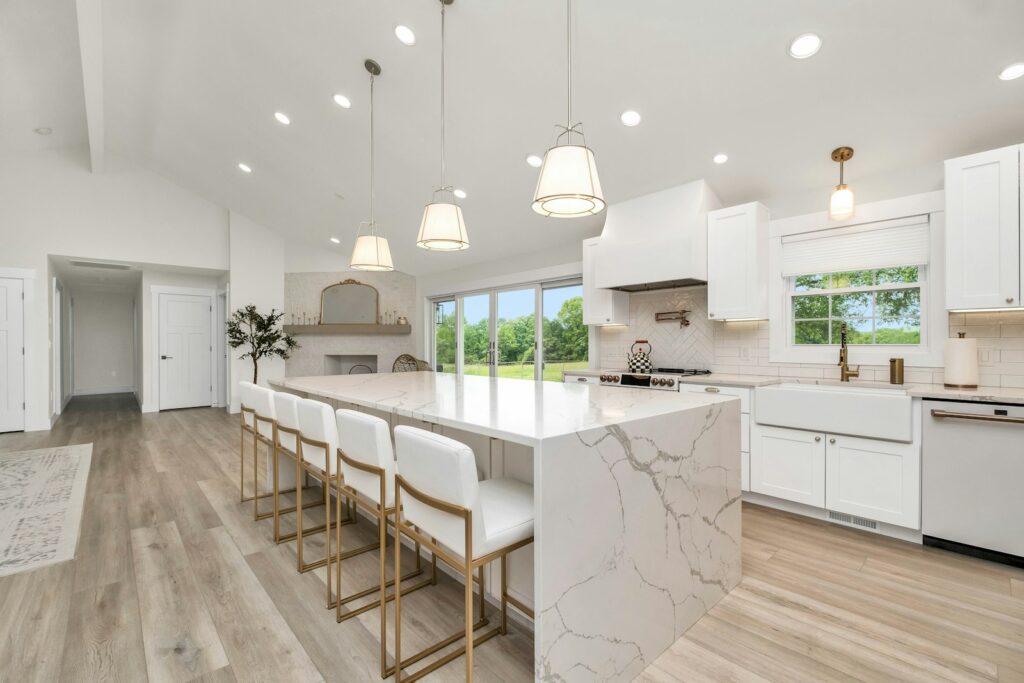
The breakfast nook lost ground to the kitchen island for understandable reasons — an island offers more flexible standing-height work surface and reads as more contemporary in an open-plan layout, and for a while, built-in banquette seating started to feel like a relic of a smaller, more compartmentalised kind of house. But the trade-off that came with that shift is now being felt: an island is genuinely excellent for food preparation and casual perching, but it is a poor substitute for a proper, comfortable seat during an actual meal, and most households still eat far more often in quick, informal sittings than in the full sit-down dinners a formal dining table is built for. The nook is returning precisely because it solves that specific, everyday problem that the island never quite did, much like the island itself is being reconsidered for what it is actually good at rather than what it merely looks good doing.
What makes a breakfast nook work
A successful nook depends on a handful of specific decisions that are easy to get wrong if the space is treated as an afterthought squeezed into whatever corner remains once the main kitchen layout is finished. Bench seating should be genuinely comfortable, with a proper backrest angle rather than the bolt-upright bench often seen in commercial cafés — this is a seat meant for lingering over a slow Saturday breakfast, not turning tables quickly. Storage built into the base of the bench is one of the nook’s quiet superpowers, offering genuine cupboard or drawer space in a footprint that would otherwise sit largely empty underneath.
The essentials of a good nook
- A window nearby — natural light is one of the nook’s biggest advantages over an interior dining spot.
- A table sized for four to six at most; the nook’s charm is intimacy, not capacity.
- A durable, wipeable upholstery for the bench, since this is genuinely daily-use seating exposed to spills.
- Built-in storage beneath the bench, used for anything from linens to seasonal kitchenware.
Choosing materials that earn daily wear
Because the nook sees more frequent, more casual use than a formal dining table, material choices need to be genuinely practical rather than merely photogenic. A performance fabric or a leather that ages well with spills and daily contact will outlast a delicate linen or velvet within a single busy year. This is very much the same calculation behind a kitchen designed for people who actually cook and eat in it daily, rather than one designed primarily to be photographed once and then protected from actual use thereafter.
“A breakfast nook only really works if the household actually eats there most mornings — otherwise it just becomes an expensive place to pile mail,” observes a Singapore kitchen designer who has built several into recent renovations.
Fitting one into a smaller home
The nook has a particular advantage in the smaller apartments common across much of Singapore, since a built-in banquette generally uses less floor space than a freestanding table and chairs of equivalent seating capacity — the bench tucks against the wall, and chairs on only one or two sides of the table free up circulation space the rest of the kitchen badly needs. A nook built into an underused corner, even a fairly small one, can genuinely add a functioning dining spot to a kitchen that previously had no comfortable place to sit and eat at all.
Retrofitting one into an existing kitchen
A nook does not require a full renovation to add; many of the most successful examples are retrofitted into an existing corner that was previously dead space — an awkward gap beside a window, an underused stretch of wall not deep enough for standard cabinetry. A simple banquette built along one or two sides, paired with a small round or rectangular table and a couple of freestanding chairs on the open side, can be added without touching the rest of the kitchen layout at all. This is a genuinely accessible project compared with relocating an island or reworking cabinetry, and it often has a bigger impact on how a household actually experiences the kitchen day to day than a far more expensive change elsewhere in the room.
Getting the lighting right above the nook
Because a nook is typically tucked into a corner rather than centred under the kitchen’s main ceiling fixture, it usually needs its own dedicated lighting to feel properly finished rather than dim and afterthought-adjacent. A single pendant hung low over the table, sized appropriately for the nook’s more intimate scale rather than borrowed from a full dining room fitting, does most of the work here. Paired with the natural light from a nearby window during the day, a well-lit nook becomes genuinely inviting at almost any hour, morning coffee through to an evening spent lingering after the rest of the kitchen has been cleared and switched off.
An old idea worth keeping
The breakfast nook’s return says less about nostalgia than about a genuine reassessment of how households actually use their kitchens day to day — quick, casual meals that deserve a comfortable seat, not a stool at a counter designed for something else entirely. Done with the right proportions and durable materials, it becomes one of the most-used corners in the entire home, the sort of small architectural decision that ends up quietly shaping the rhythm of family life far more than its modest footprint would suggest. Explore more kitchen and dining ideas across our Homes & Culture section.
Priya tours the homes most people only glimpse from the road, and asks how they are really lived in.