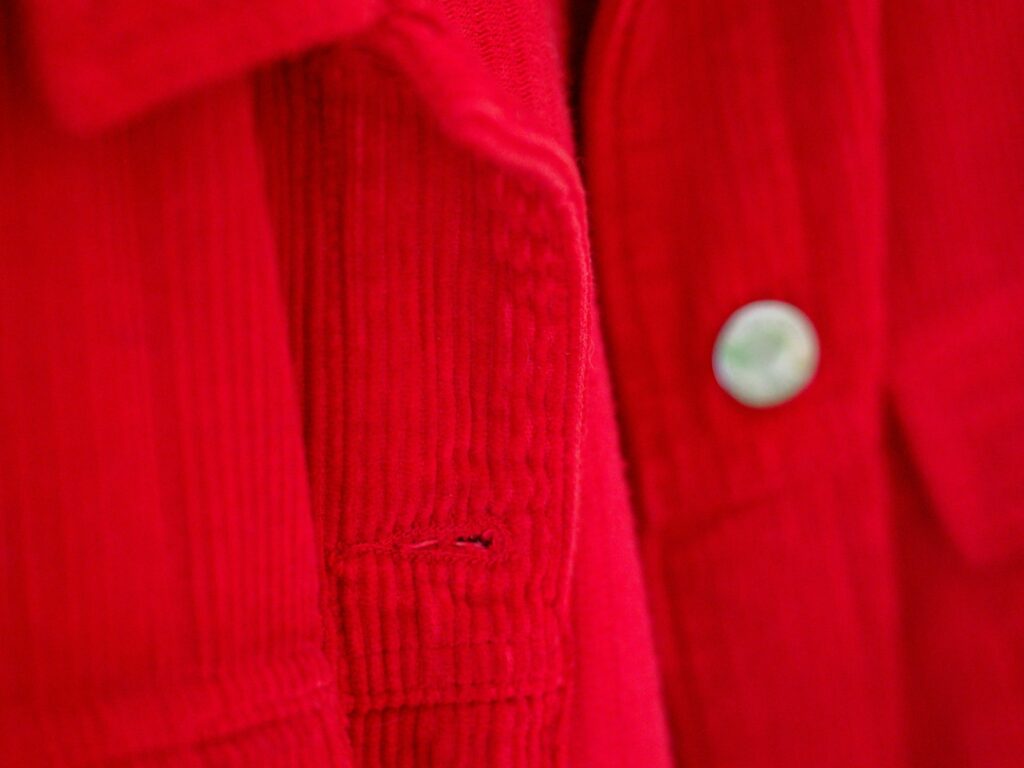
The Quiet Luxury of the Linen Suit
Cool, crumpled and quietly assured, the linen suit is the finest answer to real heat. How to choose one, wear it, and make peace with the creases.
 By Daniel Koh
1 September 2026 · 6 min read
By Daniel Koh
1 September 2026 · 6 min read

There is a moment, somewhere around the second hot month of a Singapore year, when the whole idea of tailoring seems to wilt. Wool feels like penance, synthetics cling and shine, and the sensible response appears to be surrender — shorts and a shirt and the abandonment of any real elegance until the weather relents. It is precisely here that the linen suit makes its quiet, complete argument. It is the one form of serious tailoring that does not merely tolerate heat but seems to enjoy it.
The linen suit asks you to give up one thing — the crisp, pressed perfection of worsted wool — and gives you a great deal in return. Made peace with, that trade is one of the best in menswear.
Why linen keeps you cool
The magic is in the fibre itself. Linen is spun from flax, and its filaments are hollow and strong, which does two useful things at once. The weave sits slightly away from the skin rather than clinging, letting air circulate, and the fibre wicks moisture and releases it quickly, so a linen jacket feels dry where a cotton one would feel damp. On a still, humid afternoon the difference is not subtle; it is the difference between wearing a suit and enduring one. For the fuller argument about warm-climate cloth, our guide to the best summer suiting fabrics sets linen alongside its rivals and explains where each earns its place.
This is why linen has dressed the well-off in hot places for centuries, from colonial verandahs to Italian seaside towns. It is not a novelty or a trend. It is simply the correct engineering answer to heat, arrived at long before anyone thought to call it quiet luxury.
The wrinkles are the point
Let us address the crumpling directly, because it is the single thing that keeps men away from linen. Yes, it creases. It creases as you sit, as you drive, as you bend to your lunch. And that is not a flaw to be fought but the entire character of the cloth. A linen suit that has relaxed into soft folds across the lap and the elbows looks lived-in, unhurried and expensive in the least try-hard way imaginable. A man at ease in a slightly crumpled linen suit reads as far more confident than one fretting over a pressed crease.
Linen wrinkles the way a good book softens at the spine. Fight it and you look anxious; embrace it and you look like a man with somewhere pleasant to be.
The trick is to distinguish the good creases — soft, horizontal, incidental — from a genuinely dishevelled state. A quick press before you leave the house sets a clean line at the shoulder and trouser, and the day is allowed to do the rest. This relaxed philosophy sits at the heart of how we think about warm-weather dress, explored more fully in the art of dressing for the tropics.
Choosing the cloth and colour
Not all linen is equal, and the differences matter. A heavier, dense linen holds its shape better and creases into fewer, softer folds, which many men find more flattering than a feather-light cloth that crumples the moment it is touched. Irish and Italian linens have particular reputations for weight and finish, but the more useful instruction is to handle the cloth: it should feel substantial and dry rather than papery.
Colour does much of the work of elegance. The safest and most versatile choices are the soft neutrals — stone, oatmeal, pale khaki, a muted brown — which flatter most complexions and hide the inevitable creasing better than anything stark. A tan or biscuit linen suit is, to our mind, one of the most useful things a man can own in the tropics. Navy linen is sharper and more formal; white is glorious and demanding, best reserved for those with the nerve and the laundry to match. For the specific challenges of the climate, our round-up of the best linen suits for the tropics is worth a look.
How to wear it
The linen suit is at its best worn softly. Choose an unstructured make — little or no padding in the shoulder, a light or absent lining — so the jacket moves with you and breathes. Then treat it as separates as much as a suit. The jacket over cream trousers, or the trousers with a fine knit, extend its usefulness far beyond the formal.
- With a crisp cotton or linen shirt, open at the collar, no tie.
- Over a fine polo or a plain white tee for genuine ease.
- With suede loafers or espadrilles rather than heavy formal shoes.
- A pocket square in place of a tie, for a touch of intent without the heat.
The natural companion to a linen suit is a good linen shirt, and the two share a philosophy; our thoughts on the linen shirt and the art of summer apply directly here.
Caring for it
Linen is refreshingly low-maintenance, which is part of its charm, but a few habits keep a suit looking its best over many summers. Air the jacket after each wear rather than washing it, and it will shed the day’s creases and odours overnight on a good hanger. When it does need cleaning, resist the instinct to dry clean it every time; linen washes beautifully and the harsh solvents only stiffen the cloth over time. A gentle machine or hand wash, followed by a press while still slightly damp, revives a tired linen suit and keeps the fibre soft. Store it on a broad wooden hanger so the shoulders hold their line, and give it a light steam before a special occasion. Done this way, a linen suit only grows more comfortable and more characterful with the years, softening into the shape of the man who wears it.
The considered case
What makes the linen suit feel like true luxury is not its price, which need not be high, but its attitude. It refuses to sweat, literally and figuratively. It looks better rumpled than pressed, it improves as the day wears on, and it carries an air of unbothered ease that no amount of sharp worsted can buy in real heat. It is, in the truest sense, a considered choice — a small refusal to let the climate dictate the terms of your elegance. That spirit runs through all of our style and watches coverage: dress for the life you actually live, choose cloth that works with the world rather than against it, and let a little honest crumpling be the sign of a man entirely at his ease.
Daniel has spent fifteen years arguing that the best watch is the one you never take off.