The Quiet Islands of the Aeolian Sea
Off Sicily's north coast, the Aeolian islands reward slow travel with volcanic coasts, caper fields and long lunches. A guide to their quietest corners.
 By Marcus Lim
1 September 2026 · 6 min read

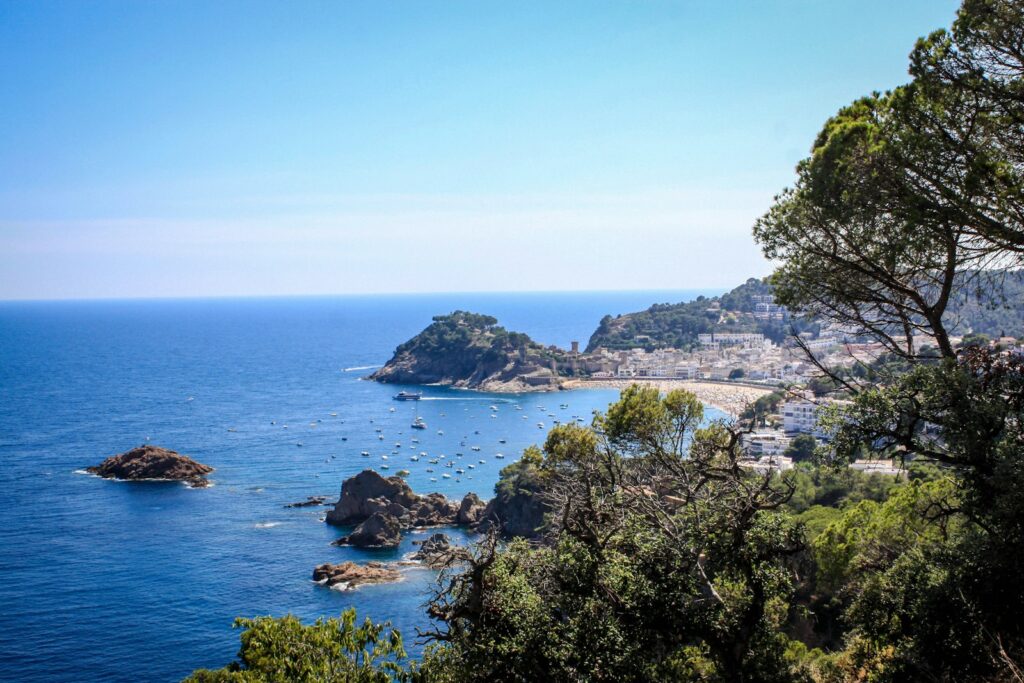
There is a kind of island that resists the weekend. It cannot be seen properly in two days, will not perform for a camera, and gives up its pleasures only to the traveller willing to slow down to its pace. The Aeolian islands, scattered off the northern coast of Sicily like stepping stones across a blue that seems almost artificial, are that kind of island. Seven of them break the surface, each with its own character, and all of them share a quality that has become rare in the Mediterranean: they are still, for now, unhurried.
Islands shaped by fire
The Aeolians are volcanic, and the fact is impossible to ignore. The land is black and ochre where the sea is impossibly blue; the beaches are dark pebble and volcanic sand rather than the pale crescents of the postcard Mediterranean. On some of the islands the earth still steams, and the smell of sulphur drifts on the evening air. This is not a manicured landscape. It is a raw one, and the rawness is exactly the appeal — a reminder that these are young islands, still being made.
That volcanic soil grows things intensely. The caper bushes that cling to the terraces produce buds of startling flavour; the vines yield a sweet, sun-concentrated wine that has been made here for centuries. Even the tomatoes taste of somewhere. To eat on the Aeolians is to taste the islands themselves, which is a pleasure that repays a slow, attentive appetite. The same volcanic drama draws the traveller to the wider Mediterranean island-scape we chart in the quiet islands of the Cyclades.
The rhythm of the day
Life on the islands moves with the sun and the boats. Mornings are for the water — a swim off the rocks before the heat, a slow breakfast of granita and brioche, a walk up through the terraces before the light hardens. The middle of the day belongs to shade and lunch and the long, unapologetic pause that southern Italy still observes. The evening is for the passeggiata, the ritual stroll through the lanes as the light goes gold and the whitewashed houses catch fire with it.
You do not visit the Aeolians so much as submit to them. The islands set the pace; the traveller’s only job is to stop resisting it.
Part of what makes this pace possible is that the islands offer so little to rush toward. There are few great monuments to tick off, no unmissable museums, no sights that demand an early start. What there is instead is texture — the taste of a caper, the heat of the black sand underfoot, the particular blue of the water off a certain rock, the way the light falls on the whitewash at six in the evening. These are pleasures that cannot be hurried or photographed into a checklist; they are absorbed slowly, over days, by a traveller who has agreed to stop counting the hours. The Aeolians ask you to trade the itinerary for attention, and they reward the trade generously.
The temptation, arriving from a fast life, is to island-hop hard — to tick off all seven in a frantic week of ferries. Resist it. Choose one or two islands and stay long enough to learn a café, a beach, a walk, the name of the person who runs the little shop. The Aeolians reward depth over breadth, presence over itinerary. This is the same lesson the sleeper routes teach the overland traveller, a case we make in the appeal of the slow ferry.
Each island its own country
The islands could not be more different from one another, and choosing between them is half the pleasure of planning.
- The largest is the busiest and the most worldly, its harbour lined with cafés and its evenings social — the place to base yourself if you want a little life around you.
- One island is famous for its wine and its capers, its terraces climbing the hillsides, its pace slower still — the choice for a traveller who wants to disappear.
- Another is little more than a volcano rising from the sea, its village clinging to the black slopes, its nights lit by the mountain’s own restless glow.
- The smallest are barely inhabited, reached by a single daily boat, offering little but a beach, a trattoria, and silence — which for some travellers is everything.
Getting between them means embracing the ferry timetable rather than fighting it, and the crossings themselves — deck open to the wind, the islands rising and falling on the horizon — are part of the holiday, not an interruption of it. The pleasures here echo those of the Italian coast more broadly, chronicled in our notes on northern Sardinia and the Amalfi hinterland.
Staying, and staying longer
The Aeolians do not do grand hotels, and are the better for it. Accommodation runs to converted island houses with thick walls and cool tiled floors, small family-run places with a handful of rooms and a terrace for breakfast, the occasional restored villa let by the week. The best of them are simple, whitewashed, and open to the sea breeze, with a proprietor who will tell you where to eat and which beach to walk to. This is hospitality on a human scale, and it suits the islands’ unhurried character exactly.
Come in the shoulder seasons if you can — late spring, when the capers flower and the sea has warmed but the crowds have not arrived, or early autumn, when the light softens and the summer people have gone home. High summer brings heat, day-trippers, and a scramble for ferry seats; the edges of the season are when the islands are most themselves.
The case for going slowly
The Aeolians are not a destination to be conquered. They are a place to be inhabited, however briefly — a place to eat well, swim daily, walk the terraces, and let the sharp edges of a fast life wear smooth against the slow rhythm of island time. Go for a week rather than a weekend, choose one island as your own, and let the volcano, the sea, and the long lunches do their quiet work. For more journeys measured in weeks rather than days, the rest of our Travel & Stays writing is the place to wander next.
Marcus writes on travel and hospitality across Asia, and is happiest a long way from a lobby.