The Mother-of-Pearl Dial and Iridescent Craft
No two mother-of-pearl dials ever look alike. Here is how the material is cut, why it shifts colour with the light, and what to look for when buying one.
 By Daniel Koh
31 August 2026 · 6 min read
By Daniel Koh
31 August 2026 · 6 min read
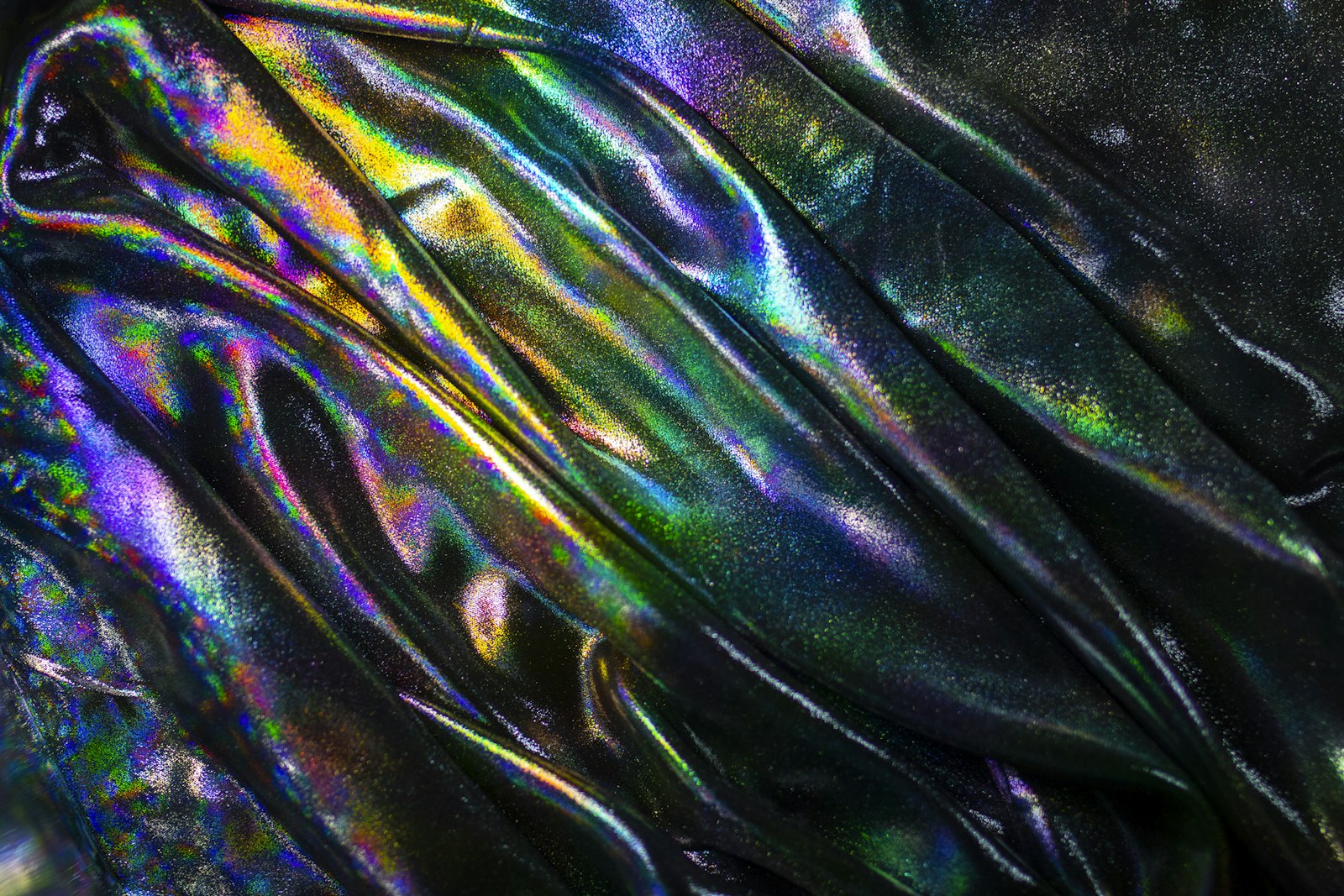
Of all the materials watchmakers press into service as a dial, mother-of-pearl is the least cooperative and, for exactly that reason, the most quietly prized. Cut from the inner lining of certain oyster and abalone shells, it refuses to sit still under light the way lacquer or enamel does — tilt a mother-of-pearl dial even slightly and the surface shifts through faint blues, pinks and greens, an effect called orient that no dye or pigment can replicate. It is, in the truest sense, a natural material doing exactly what industrial dial-making tries hardest to standardise away.
Understanding why that happens, and what separates a genuinely good mother-of-pearl dial from a mediocre one, changes how the material reads on the wrist.
Where the iridescence actually comes from
The shimmer is not a coating or a finish; it is structural, produced by microscopically thin layers of aragonite platelets that bend and scatter light as it passes through them, the same optical phenomenon responsible for a pearl’s lustre. Because this layering forms naturally and irregularly, no two dials cut from the same shell ever produce quite the same pattern of colour, which is part of why manufacturers who work seriously with the material tend to describe each dial as effectively one of one, even within an otherwise identical production run. Readers curious about how other natural dial materials achieve their own distinct effects should also read our guide to the aventurine dial and cosmic materials, which covers a similarly unrepeatable, naturally sourced dial technique.
How the dial is actually cut and set
Working mother-of-pearl into a dial blank is a slow, exacting process — the shell is sliced into thin sheets, backed for structural strength since raw shell is brittle enough to crack under normal watchmaking pressure, then cut to the precise dial diameter before any printing or applied indices are added. The best examples are cut from a single continuous section of shell, preserving a coherent pattern of colour across the whole face, while cheaper versions sometimes piece together several fragments, a difference that shows clearly under close inspection as visible seams interrupting the shimmer. This kind of hand craft sits well alongside our guide to the lacquer dial and urushi craft, another dial tradition built almost entirely around a slow, material-led process rather than industrial printing.
What to look for when buying one
A genuinely well-executed mother-of-pearl dial should show even, continuous colour shift across its surface as the wrist moves, with no dead patches where the shell has been backed too thickly or cut from a duller section of shell. Colour varies considerably by source — white and cream tones are the most common and generally the most affordable, while naturally occurring black, grey and blue mother-of-pearl command a premium for both rarity and the deeper, more dramatic iridescence they tend to produce. A short checklist worth keeping in mind:
- Check for visible seams under raking light, which indicate a pieced rather than single-cut dial.
- Tilt the watch through several angles before buying — the colour shift should feel genuinely dynamic, not static.
- Darker shell (black, grey, deep blue) is rarer and generally more expensive than white or cream.
- Applied indices should sit cleanly on the shell surface without disrupting the pattern beneath them.
“You’re not painting a picture when you set a shell dial,” a dial-maker explained to me, holding a sheet of unfinished mother-of-pearl up to a window. “You’re choosing which part of a picture the shell already drew for you.”
Caring for a shell dial
Mother-of-pearl is more delicate than most dial materials, and it responds poorly to the kind of casual treatment a steel sports dial can absorb without complaint — direct impact can crack the shell beneath its crystal, and prolonged exposure to strong solvents or extreme humidity swings can, over years, dull the iridescence slightly. None of this makes the material impractical for daily wear, but it does argue for treating a mother-of-pearl watch with a touch more consideration than a robust field watch, and for having any crystal replacement handled by someone experienced with shell dials specifically rather than a generalist.
A brief history of the material in watchmaking
Mother-of-pearl arrived in fine watchmaking largely through jewellery-making traditions, where the material had already been prized for centuries in inlay work, buttons and small decorative objects before watchmakers began cutting it specifically to dial dimensions. Its early use in watches leaned heavily toward smaller, more traditionally feminine pieces, a categorisation that persisted for decades longer than the material’s actual versatility warranted. That has shifted considerably in recent years, with darker, more graphic shell dials appearing on larger cases and in contexts that have little to do with the material’s earlier, narrower reputation — a genuinely overdue correction, given how well the material’s natural drama suits a bolder dial design. The same shell-derived lustre has a longer history in jewellery, and understanding pearls, a modern take considers how that material is being worn today.
Pairing a shell dial with the rest of a wardrobe
Because the colour of a mother-of-pearl dial shifts with the light and the angle of the wrist, it tends to read as neutral in a way flatter, single-toned dials do not — a white or cream shell dial in particular moves easily between formal and casual contexts, picking up whatever undertone happens to be nearby rather than fighting it. Darker shell, by contrast, tends to read more deliberately dramatic, and suits a wearer already comfortable with a watch as a genuine style statement rather than a purely functional accessory. Either way, the dial rewards being seen in changing light rather than judged under a single photograph, which is worth remembering before dismissing a shell watch based on a single online image.
Why the material endures
In an industry that increasingly prizes consistency and reproducibility, mother-of-pearl remains stubbornly resistant to both, and that is precisely its appeal. Every dial genuinely is unique, in a category of watchmaking where that word is used far more often than it is actually true. For a broader look at how the industry approaches unusual and natural dial materials more generally, our style and watches section covers the full range worth understanding before a purchase.
A well-chosen mother-of-pearl dial rewards patience in a way few other watch materials do — worn day after day, it never quite settles into a single, fixed appearance, catching a different mood of light each time the wrist turns. That restlessness, more than any single colour, is the whole point of choosing shell over paint.
Daniel has spent fifteen years arguing that the best watch is the one you never take off.