The Best Guilloché and Engine-Turned Dials
Guilloché looks like a simple repeating pattern until you learn it is cut by hand, one pass at a time. Here is how to judge the real thing from a stamp.
 By Daniel Koh
31 August 2026 · 5 min read
By Daniel Koh
31 August 2026 · 5 min read
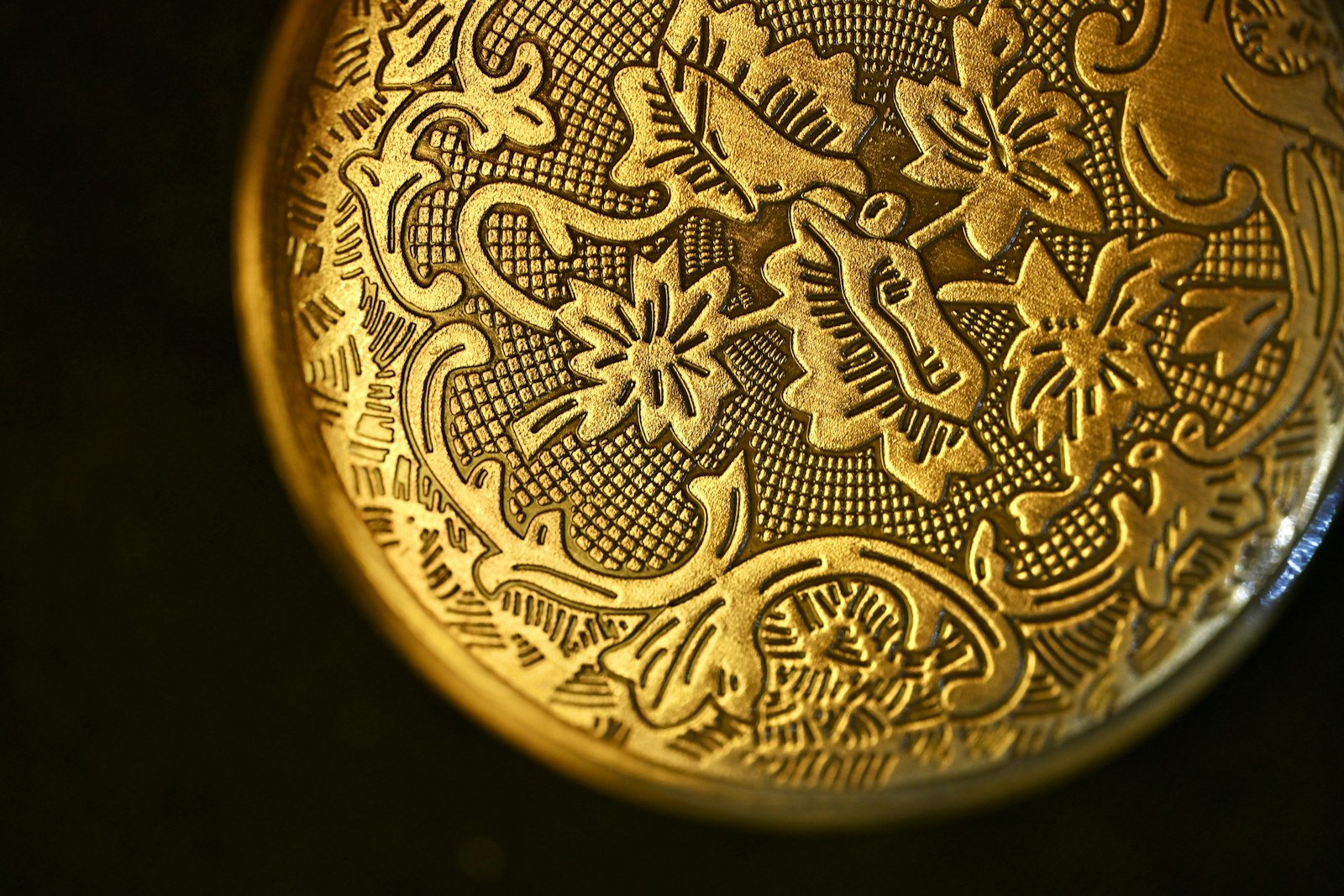
Guilloché is one of those crafts that looks, from arm’s length, like nothing more than a repeating geometric pattern — precise concentric waves, a basketweave of fine crossing lines, a sunburst radiating from the dial’s centre. Look closer, and understand how it is actually made, and the pattern reveals itself as something considerably more impressive: hundreds of individual, hand-guided cuts made on a manually operated rose engine or straight-line engraving machine, each pass repeated with a precision that leaves no room for correction if the hand slips. It is one of the oldest surviving decorative crafts in fine watchmaking, and also one of the most frequently faked, through modern stamping and laser etching alike.
Understanding the difference between genuine guilloché and its industrial imitation changes how the dial should be judged, and what it is genuinely worth paying for before any purchase is made.
How genuine guilloché is actually cut
A rose engine, the traditional machine used for this work, guides a cutting tool across a rotating dial blank according to a template cam, but the operator still controls pressure, speed and depth by hand throughout every single pass — nothing about the process is automated in the way modern manufacturing typically is. A single dial pattern can require dozens or even hundreds of individual passes, each one needing to align precisely with the last, and a single misjudged cut can ruin hours of accumulated work on a dial blank that then has to be discarded entirely. This slow, exacting process is why genuine guilloché remains rare even among fine watchmakers, and it is worth comparing against our companion piece on the guilloché dial and the art of engine turning, which covers the historical development of the technique in more depth.
Telling genuine guilloché from a stamped imitation
Stamped or laser-etched imitations have become increasingly common as manufacturers try to offer the guilloché look at a fraction of the cost, and while some are genuinely well executed, they lack several tells that a trained eye, or even a careful amateur with a loupe, can learn to spot. Genuine hand-cut guilloché shows subtle, almost imperceptible variation between passes — a sign of human control rather than mechanical repetition — while stamped patterns tend to be perfectly, suspiciously uniform across the entire dial. A short checklist worth applying:
- Under magnification, hand-cut lines show faint, natural variation in depth and spacing; stamped patterns do not.
- Genuine guilloché catches and scatters light unevenly as the dial tilts; stamped versions reflect more uniformly.
- Cut lines have a crisp, faceted edge under raking light; stamped or etched lines often look softer or shallower.
- Manufacturers using genuine guilloché are generally transparent and specific about it in their technical documentation.
The most common patterns, and what they reveal
Certain guilloché patterns have become closely associated with particular eras and styles of watchmaking, and recognising them helps place a dial within its proper tradition. The clou de Paris, a grid of small pyramidal studs, remains one of the most widely used and instantly recognisable patterns, while the barleycorn, a finer basketweave of crossing diagonal lines, tends to appear on more formal, dress-oriented dials. Sunburst and wave patterns, radiating outward from the dial’s centre, produce some of the most dramatic light effects as the wrist moves, making them popular choices for a dial meant to catch attention rather than recede quietly into the background. This pattern vocabulary is worth understanding alongside our broader guide to the art of the well-chosen watch dial, which covers how dial texture more generally shapes a watch’s overall character.
“You can always tell when someone has actually operated a rose engine themselves,” a dial engraver told me, adjusting the tension on a decades-old machine in his workshop. “They stop asking why it takes so long, and start asking why anyone would want it to take less time.”
Why the craft has survived at all
Guilloché nearly disappeared from watchmaking during the mid-twentieth century, as quartz movements and simplified manufacturing pushed decorative dial work toward the margins of an industry more focused on accuracy and affordability than craft heritage. A small number of specialist workshops kept the tradition alive through that difficult period, often working for jewellery and small decorative-object commissions rather than watch dials specifically, and their quiet persistence is largely why the craft remains available at all to today’s watchmakers and their clients. This survival story is worth reading alongside our wider guide to understanding watch dials and textures, which places guilloché within the broader landscape of dial-making crafts that faced similar pressures.
What to expect at different price points
Genuine hand-cut guilloché commands a meaningful premium over stamped alternatives, and that premium is generally justified by the labour involved rather than any marketing inflation — a single dial can represent many hours of a skilled engraver’s time, spread across a production run small enough that the cost per unit remains genuinely high. Buyers working with a more modest budget should not necessarily dismiss well-executed stamped patterns entirely, provided the manufacturer is honest and specific about the technique actually used, but should expect to pay considerably less for the privilege, and should never mistake a good stamped imitation for the genuine hand-cut article regardless of how convincing it appears. For a broader look at how the industry approaches dial craftsmanship generally, our style and watches section covers the full range worth understanding before a purchase.
What makes a genuine guilloché dial worth seeking out is not really the pattern itself, which a machine can now approximate reasonably well, but the accumulated hours of skilled, careful human attention it represents — a kind of value that resists automation almost entirely, and that grows only scarcer as the small number of engravers still trained in the craft slowly dwindles. A dial cut this way carries something a stamped equivalent never quite manages: the faint, honest trace of a single pair of hands, repeated hundreds of times, that no machine has yet learned to fake convincingly.
Daniel has spent fifteen years arguing that the best watch is the one you never take off.