The Modern Bakeries Rewriting the Loaf
A new generation of Singapore bakers is slowing bread down, trading commercial yeast for patience, and turning the loaf into the main event.
 By Renée Tan
29 August 2026 · 6 min read
By Renée Tan
29 August 2026 · 6 min read
A decade ago, the word ‘bakery’ in Singapore mostly meant one of two things: a supermarket shelf of soft, sweet buns, or a French pâtisserie counter selling croissants alongside éclairs. Bread, in the serious sense of the word, was something you found on a hotel breakfast buffet or imported at cost from somewhere else. That has changed, quietly but decisively. A new generation of bakers, several trained overseas before returning home, has begun treating the loaf itself as the main event — long-fermented, naturally leavened, built from flour they have thought hard about — and in doing so has given Singapore something it never quite had: a proper bread culture of its own.
The long ferment, and why it matters in the tropics
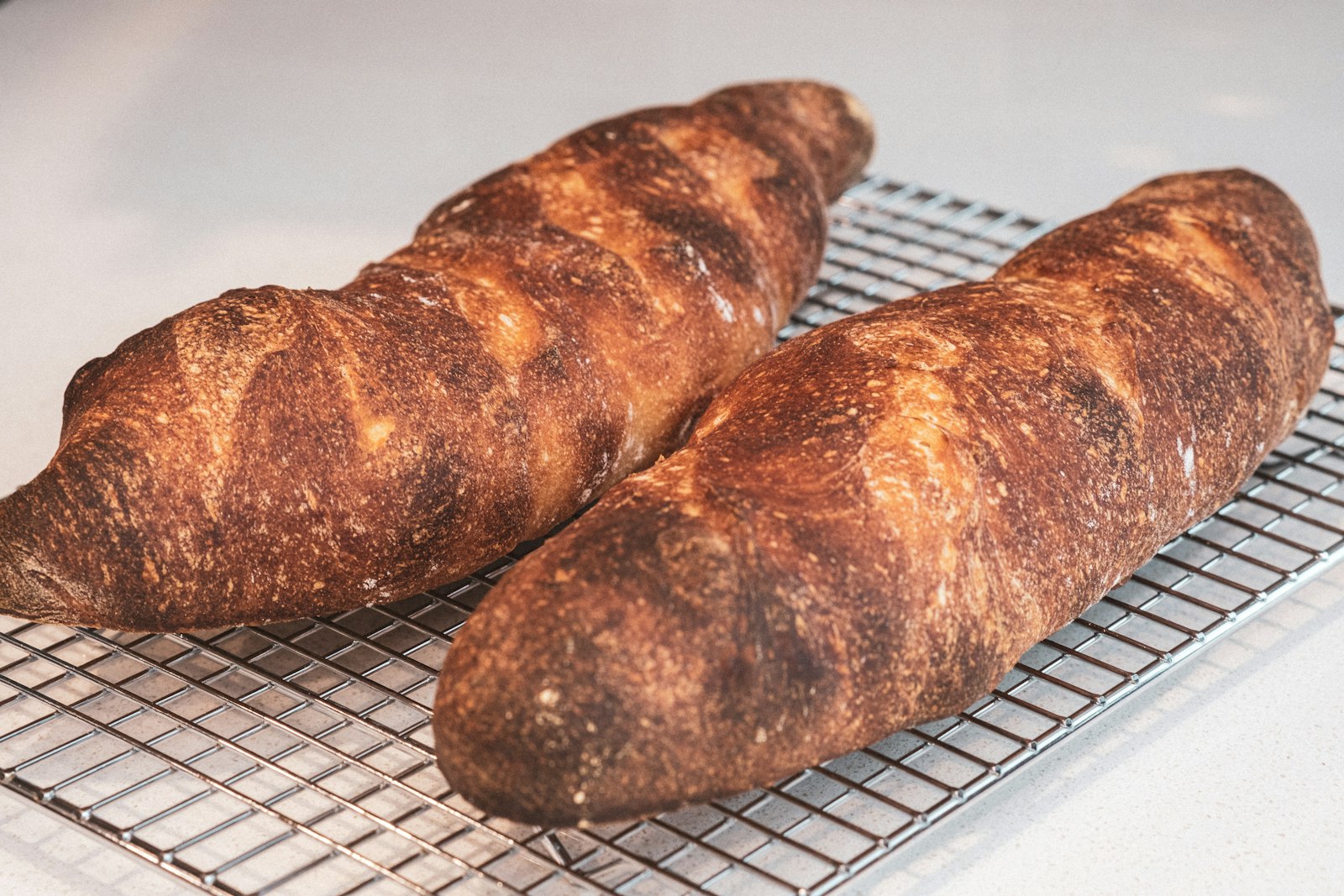
Sourdough is unforgiving in a way that commercial yeast is not, and it is doubly unforgiving in Singapore’s heat and humidity, where a starter can over-proof in a fraction of the time it would take in a temperate kitchen. The bakers doing this well have essentially had to reinvent the discipline for the climate: cooler proofing rooms, adjusted hydration levels, starters fed on a schedule that accounts for a Tuesday afternoon being meaningfully warmer than a Tuesday morning. The result, when it works, is a loaf with a proper open crumb, a crust that shatters rather than merely crunches, and a sourness that is present but not aggressive — the sign of a starter that has been nurtured rather than rushed. Much of that character begins at home for keen bakers, and the case for keeping a sourdough starter explains why the patience is worth it.
It is painstaking, unglamorous work, closer in spirit to the artisans profiled in our piece on the joiners keeping woodwork alive than to anything resembling fast-casual food service. The best bakers talk about their starters the way a vintner talks about a vineyard — as something with its own character, built over years, not weeks.
Local grain, and the slow move away from imported flour
Singapore has no wheat fields of its own, so ‘local grain’ here means something more specific: bakers sourcing from small mills in the region, or working with rice, sorghum, and other flours grown closer to home, blended into the bread rather than treated as a novelty. A few kitchens have started experimenting with heritage grains milled fresh to order, which changes the flavour of a loaf considerably — fresher flour carries more of the grain’s natural oils and aroma, and bread made from it tastes noticeably more of wheat, in the way a good olive oil tastes more of olives than a mass-market bottle does. It is a small shift, but it points to where the category is heading: bread treated with the same sourcing rigour as the produce on a tasting menu.
What to look for in a serious loaf
A few markers separate the bakeries doing this properly from the ones simply riding the sourdough trend.
- An open, irregular crumb rather than a tight, uniform one — a sign of proper fermentation rather than shortcuts.
- A crust with real colour, verging on dark, which comes from a hot enough oven and a long enough bake.
- A short, honest ingredient list: flour, water, salt, starter. Anything longer is worth questioning.
- Bread that tastes different by season, if the bakery is genuinely working with fresh-milled or regional grain.
The best of these bakeries have also become, almost incidentally, some of the better places in the city for a properly considered breakfast — a thick slice of toast, good butter, perhaps an egg, eaten at a communal table rather than rushed at a desk.
“Bread should taste like where and when it was made,” one Singapore-based baker, trained in a small bakery outside Lyon before returning home, told us. “If it tastes the same in July as it does in December, something’s been flattened out of it.”
Where bread meets the rest of the table
This new seriousness about bread has started to ripple outward. Several of the city’s better restaurants now bake their own sourdough in-house rather than buying it in, and a proper bread course — served warm, with cultured butter or good olive oil — has become a quiet marker of a kitchen that pays attention to the details most diners will not consciously notice but will certainly feel. It pairs naturally with the kind of unhurried eating we describe in our guide to the long lunch, where a good loaf, torn rather than sliced, sets the tone for everything that follows.
There is also a natural overlap with the city’s cheese culture, still nascent but growing, where a properly aged loaf is the difference between a cheese board that merely looks the part and one that actually rewards eating slowly — a subject we go into further in our guide to building a cheese board worth sharing.
A category finally taken seriously
What a good bakery visit actually looks like
Visiting one of these bakeries well means arriving with a plan rather than browsing blindly, since the best loaves genuinely do sell out, often by mid-morning on a weekend. Calling ahead to reserve a specific loaf, where the bakery allows it, is increasingly standard practice among regulars rather than an unusual request. It is also worth asking what has just come out of the oven rather than defaulting to whatever sits at the front of the display, since a loaf still cooling often tastes noticeably better an hour later than one that has already been sitting out for several. Those whose interest runs beyond the loaf will find a different set of doughs in our round-up of the best bakeries for bagels and pretzels.
None of this needed to happen. Singapore could easily have stayed a city of imported baguettes and supermarket white bread, and for a long time, largely, it was. That a small but growing group of bakers has instead chosen to treat bread with the patience and precision usually reserved for pastry or fine dining says something about where the city’s food culture is heading more broadly — toward slowness, toward provenance, toward craft that shows itself in texture rather than plating. For anyone who has assumed Singapore’s dining and drinks scene begins and ends with restaurants and bars, these bakeries are worth the detour. Go early, while the ovens are still working through the morning bake, and buy more than you think you need.
Renée has covered Singapore's restaurants for over a decade, with a soft spot for the kitchens most people walk past.