The Islands of the Sulu and Celebes Seas
At the heart of the coral triangle, the Sulu and Celebes Seas hold some of Asia's richest, least-visited reefs and island communities left largely untouched.
 By Marcus Lim
30 August 2026 · 6 min read
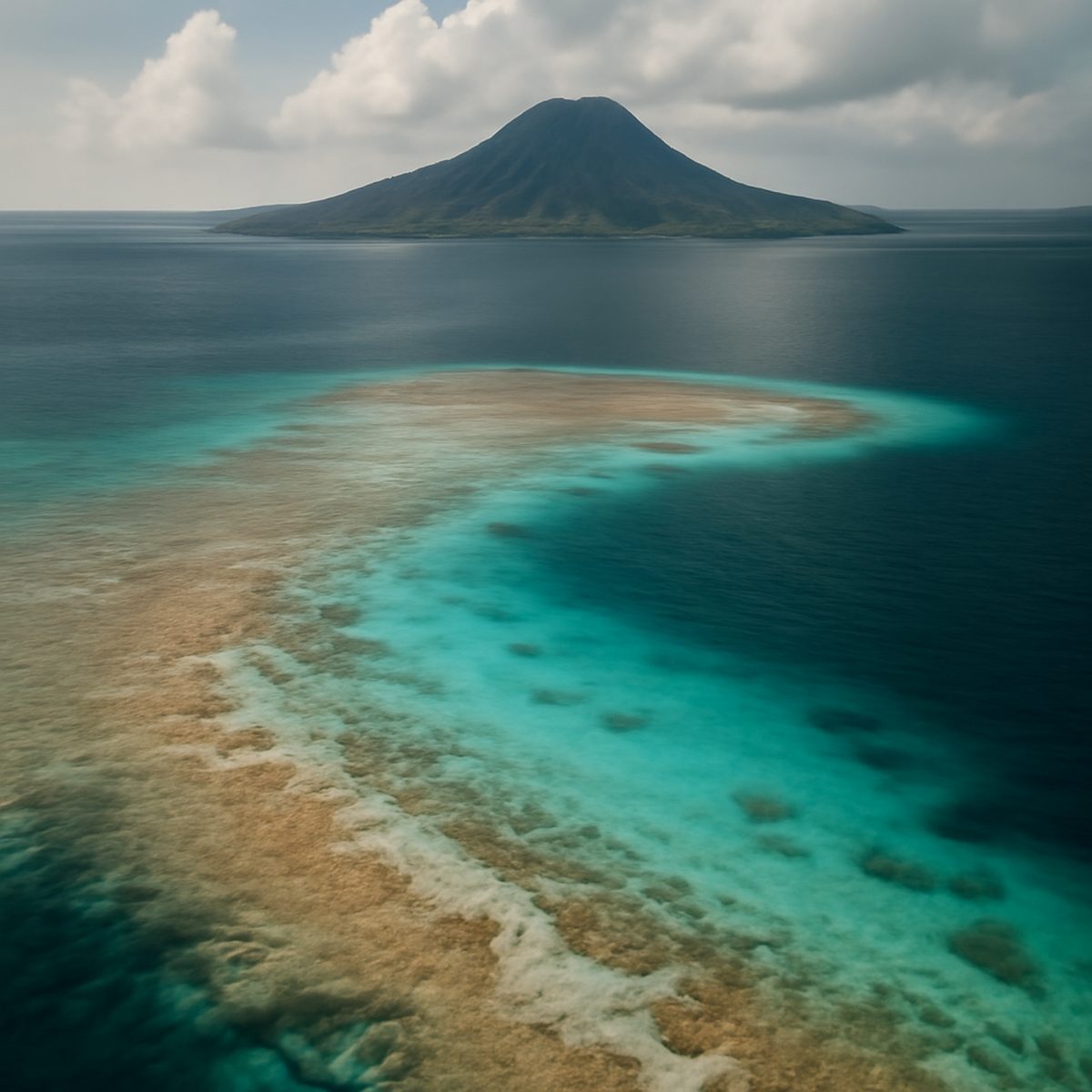
Between the southern Philippines and northern Indonesia lies a stretch of water that rarely appears on a typical Southeast Asia itinerary, despite holding some of the region’s most biologically rich and least-visited islands. The Sulu and Celebes Seas sit at the heart of the coral triangle, the global epicentre of marine biodiversity, ringed by volcanic island chains, stilt villages and reef systems that few outside specialist diving circles have ever heard of. For travellers who have exhausted the region’s better-known island destinations, this is where the genuinely remote version of island travel still exists.
The relative obscurity of these seas on the mainstream travel map owes as much to logistics as to anything else — the islands scattered across this stretch of water sit at some distance from major international gateways, and reaching many of them still requires a level of planning and flexibility that package tourism has largely engineered out of travel elsewhere in the region. That inconvenience functions, in effect, as a kind of natural gatekeeping, keeping visitor numbers low and the underlying ecosystems correspondingly intact.
A Sea Defined by Its Reefs
The waters here sit at the convergence point of several major ocean currents, a geography that has produced an extraordinary concentration of coral and fish species found nowhere else in comparable density. The islands themselves are almost secondary to the water around them — volcanic peaks rising sharply from deep channels, fringing reefs that drop away into some of the steepest underwater walls in the region. Even travellers with no interest in diving will notice the water’s clarity from the surface, a blue that photographs poorly because no camera quite captures the depth of it.
Island Life on the Margins
Many of the smaller islands and stilt communities scattered across these seas maintain a way of life built almost entirely around the water — boats as the primary means of transport, fishing as the dominant occupation, markets that operate on tidal schedules rather than clock time. Visiting responsibly here means moving slowly and with genuine respect for communities that have not been shaped around tourism the way better-known island destinations further south have. A good local guide, ideally one connected to the specific island being visited, makes the difference between an intrusive visit and a genuinely welcomed one.
Trade between islands still moves largely by boat, and the small inter-island markets that spring up at anchorages remain one of the more genuine cultural encounters available in the region — produce, dried fish and handwoven goods changing hands between communities that have traded this way for generations, long before any tourist boat found its way into these waters. A traveller who arrives with something to trade, or simply the patience to sit and watch, tends to come away with a far richer sense of the region than one who arrives purely to photograph a reef.
What to Expect
- Limited infrastructure on the more remote islands — bring cash, basic supplies and patience
- Some of the coral triangle’s most pristine reef systems, best experienced by boat and snorkel
- Weather-dependent travel between islands, requiring flexible scheduling rather than a fixed itinerary
Getting There Responsibly
Access to the more remote parts of these seas typically means a combination of regional flights to a gateway city followed by boat transfers that can run from a few hours to a full day depending on the destination island. This is not a region that rewards impatience, and travellers used to door-to-door efficiency should recalibrate expectations before booking. The reward for that patience is a version of island travel that has become genuinely rare — reefs unaffected by mass tourism, communities encountered on their own terms, and a silence at anchor that busier island chains simply cannot offer any more.
Live-aboard vessels remain the most practical way to cover meaningful distance across this stretch of water while still reaching the remote reefs and anchorages that make the region worth visiting in the first place. A well-run vessel effectively becomes the base for the entire trip, moving overnight between sites so that daylight hours are spent in the water or ashore rather than in transit — a rhythm that suits the region’s scattered geography far better than a fixed, land-based itinerary ever could.
“People come expecting a harder version of a beach holiday and leave describing something closer to an expedition,” one regional dive operator working across the area said of the region’s effect on first-time visitors.
Planning a Respectful, Well-Timed Trip
Given the region’s history and the sensitivity of travel through some of its more remote waters, working with an established, locally connected operator is not merely a convenience here but close to essential — for logistics, for safety, and for ensuring that a visit genuinely benefits the communities it passes through rather than simply extracting a memorable photograph. Seasonal weather windows matter considerably too, with calmer seas typically making inter-island travel far more comfortable and reliable during specific months of the year.
Travellers drawn to this kind of remote marine geography might also enjoy the islands of the coral triangle more broadly, or the more accessible reef systems covered in the best places for coral and reef diving. For a comparison with the Philippines’ better-known island chains, the islands of the Philippines beyond Palawan is a useful companion read, as is the islands of Malaysia beyond Langkawi for a different corner of the same wider marine region. More island and marine travel ideas sit within Travel & Stays.
A Region Still Worth the Effort
The Sulu and Celebes Seas are not an easy add-on to a standard Southeast Asia itinerary, and that difficulty is precisely what has kept the region’s reefs and island communities as intact as they remain. For travellers with the time, the patience and a genuinely responsible operator, few parts of the region still offer this level of untouched marine biodiversity, or this much genuine remoteness within reach of a commercial flight. Go with an open schedule, a well-chosen operator and a willingness to let the sea, rather than a printed itinerary, set the pace of the trip.
Marcus writes on travel and hospitality across Asia, and is happiest a long way from a lobby.