
The Islands of Malaysia, Beyond Langkawi
Malaysia's island geography extends well past Langkawi's resort strip. A guide to the quieter islands worth the extra effort of getting there.
 By Marcus Lim
30 August 2026 · 5 min read
By Marcus Lim
30 August 2026 · 5 min read
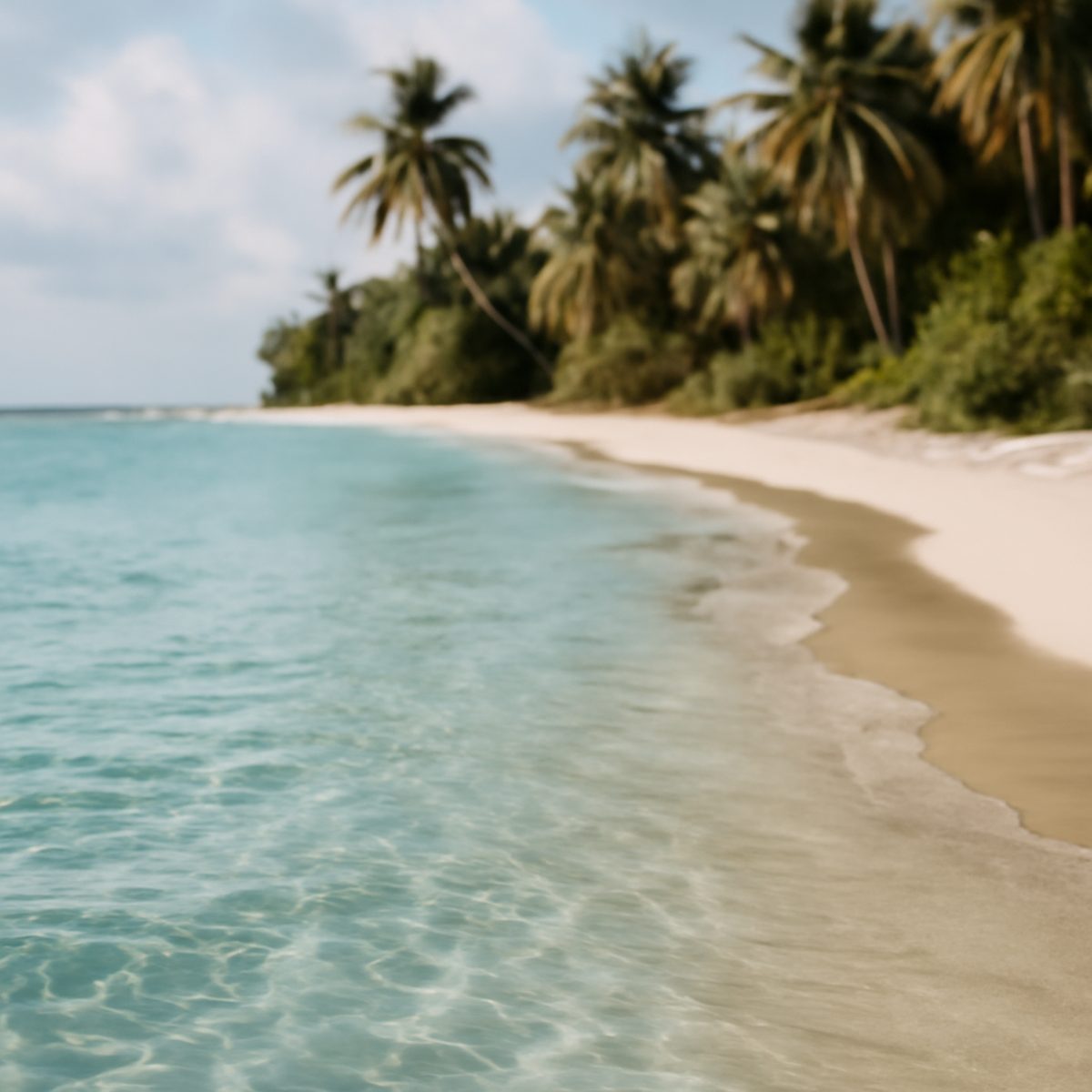
Langkawi has, for decades, functioned as most travellers’ entire understanding of Malaysian islands — a fair enough shorthand, given its accessibility and genuine charm, but a considerable underestimate of what the country’s coastline actually offers. East of the peninsula and scattered through Malaysian Borneo lie a string of islands with clearer water, far fewer visitors, and a slower, more particular kind of luxury that has little to do with resort scale and everything to do with what surrounds it.
Redang and Perhentian, for the clearest water in the region
The islands off Malaysia’s northeast coast — Redang and the Perhentians chief among them — offer some of the clearest, most consistently turquoise water anywhere in Southeast Asia, a product of the relatively undeveloped coastline and strict marine park protections that limit both boat traffic and construction. The trade-off is seasonal: the northeast monsoon closes most of the better resorts from around November through February, which means the reward of exceptional water clarity comes with a genuinely narrow booking window through the middle months of the year. Travellers weighing a wider Southeast Asian island-hopping route should also read a guide to island-hopping in Asia for how these islands fit into a longer regional itinerary.
Tioman, for a quieter jungle-meets-sea combination
Tioman sits further south and offers something the northeastern islands generally do not — genuine rainforest interior alongside the beach, with hiking trails that climb steeply enough to deliver real jungle immersion within a short walk of a beachfront stay. The combination makes it a natural fit for travellers who want both a beach and a proper walk in a single trip, without the logistics of visiting a separate mainland jungle lodge. It remains considerably less developed than Langkawi, with a handful of considered small resorts rather than a resort strip.
The island’s interior trail network is worth taking seriously rather than treating as a token half-hour walk — a full crossing on foot between villages on opposite coasts takes the better part of a day and passes through genuine primary forest, with waterfalls and swimming holes along several of the routes that rarely appear in standard resort itineraries. Hiring a local guide for this crossing, rather than attempting it independently, tends to produce a considerably richer walk, both in terms of route-finding and the wildlife likely to be pointed out along the way.
What determines the right island for the trip
- Season first — the northeast coast islands close for monsoon in a way Langkawi and the west coast generally do not, and this should shape the itinerary before anything else.
- Access — several of the quieter islands require a boat transfer considerably longer than Langkawi’s, worth factoring into a short trip’s overall time budget.
- What you actually want from the water — diving and snorkelling clarity peaks on the northeast coast islands, while calmer, more swimmable water is more consistent further south.
Malaysian Borneo’s islands, for something wilder still
Off the coast of Sabah, a scattering of smaller islands offer a genuinely different register again — some protected as marine parks with strict daily visitor caps, others home to a single small dive-focused resort and little else. These tend to reward serious divers and travellers with a specific interest in marine biodiversity over those simply looking for a beach holiday, and the infrastructure is correspondingly minimal, which is very much the point. For travellers drawn to this wilder end of the spectrum, the islands of Indonesia, beyond Bali and the islands of Thailand, beyond Phuket both cover comparable territory in neighbouring countries, useful for anyone weighing a wider regional island trip against Malaysia specifically.
“People come expecting Langkawi and find something much quieter,” one longtime Redang dive operator told us. “By the second day they’ve usually stopped asking where the nightlife is.”
What actually changes once you leave Langkawi’s orbit
The most noticeable shift moving to these quieter islands is pace rather than luxury per se — fewer restaurant options, more early nights, a much greater reliance on the resort’s own kitchen and programme rather than an ability to wander between venues. For travellers used to Langkawi’s relative infrastructure, this can take a day or two of recalibration, but it is generally the point rather than a drawback: these islands are chosen precisely because there is less to do, which tends to produce a genuinely restful trip rather than one structured around a checklist of activities.
What the marine parks actually protect
Much of what makes these quieter islands worth the extra travel effort comes down to formal marine park status, which limits fishing, construction and, on the more strictly managed islands, even the number of daily snorkelling and diving permits issued. This can mean booking a boat trip several days ahead during peak season, a genuine adjustment for travellers used to arranging water activities on arrival elsewhere in the region. The trade-off is coral cover and fish diversity considerably richer than most comparable sites in Southeast Asia, a direct result of decades of consistent protection rather than a recent conservation push.
Getting there, and building in the buffer
Access to most of these islands involves at least one domestic flight followed by a boat transfer, and weather-dependent crossings mean building a buffer day into both ends of the trip is worth the inconvenience — a delayed crossing on the final day of a short trip is a genuinely common way to miss a flight home. Langkawi’s relative accessibility remains a real advantage for a short weekend; the quieter islands generally reward a longer stay, four nights or more, both to justify the additional transfer effort and because a shorter trip rarely allows enough time to settle into their slower rhythm.
Malaysia’s islands, taken as a whole rather than through Langkawi alone, offer a genuinely broad range of experience — from the clearest diving water in the region to genuine jungle-and-beach combinations to near-untouched marine parks. For more on the region’s island geography and how it compares, our Travel & Stays section tracks the wider category.
Marcus writes on travel and hospitality across Asia, and is happiest a long way from a lobby.


