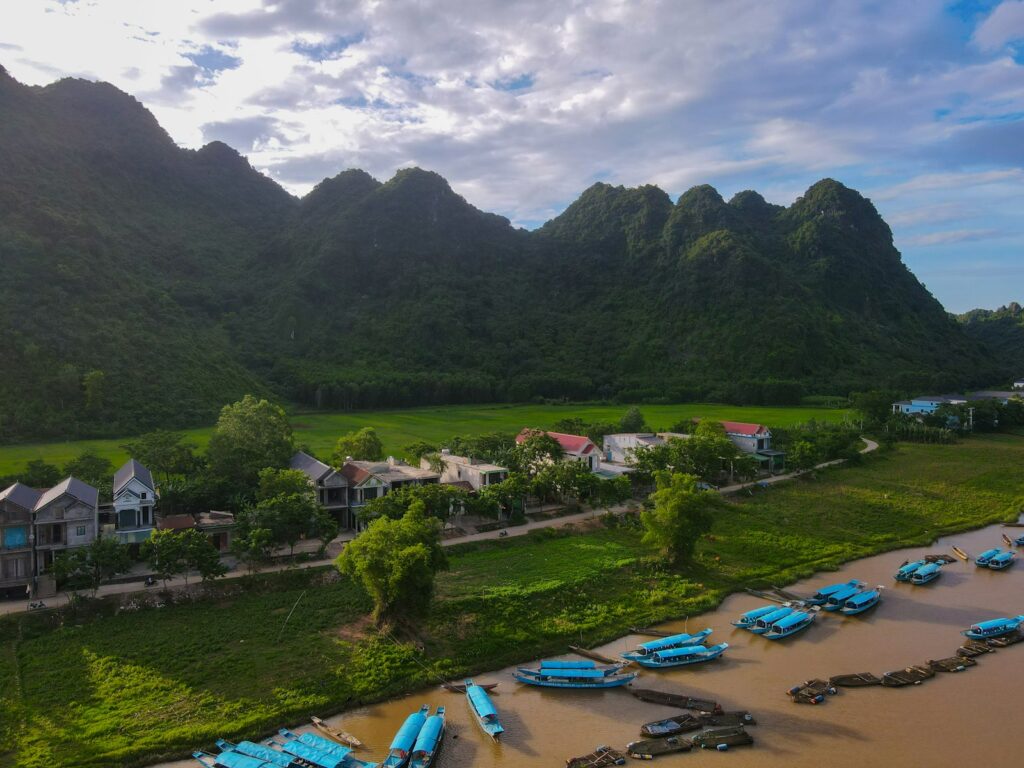
The Islands of Indonesia, Beyond Bali
Bali is one island among more than seventeen thousand. Here is a more considered look at the rest of the Indonesian archipelago, and why it rewards the detour.
 By Marcus Lim
29 August 2026 · 6 min read

Bali has become so thoroughly synonymous with Indonesia in the international imagination that it is easy to forget the country comprises more than seventeen thousand islands, of which Bali is a single, comparatively small one. That imbalance is understandable given decades of tourism infrastructure built specifically around Bali, but it also means the vast majority of the archipelago remains genuinely underexplored by international travellers, offering landscapes, culture, and a pace of life considerably different from Bali’s now well-trodden circuit. A handful of these islands are now worth a considered, deliberate visit in their own right, rather than treated as an afterthought squeezed into a Bali-based itinerary at the very last minute.
Sumba’s Deliberate Remoteness
Sumba, southeast of Bali, has built its emerging tourism identity around exactly the qualities Bali has lost through its own popularity — genuine remoteness, minimal development, and landscapes that feel closer to untouched savanna than tropical resort. The island’s traditional clan villages, with their distinctive high-peaked roofs, continue to operate according to customs largely unchanged by tourism, and its beaches, while increasingly known among design-conscious travellers, remain remarkably uncrowded by comparison to Bali’s south coast. A handful of considered small-scale resorts have developed here specifically around this quality of remoteness, deliberately limiting guest numbers rather than chasing Bali-style scale.
Lombok as the More Accessible Alternative
Lombok, Bali’s closest neighbour, offers perhaps the gentlest entry point into this wider archipelago, with infrastructure developed enough for genuine comfort but still considerably quieter than Bali proper. Its interior, dominated by the volcanic peak of Mount Rinjani, offers serious trekking largely absent from Bali’s own landscape, while its southern coastline has quietly built a reputation among surfers and design-minded travellers as a genuine alternative to Bali’s more crowded breaks. The nearby Gili Islands, small enough to circle on foot, add a slower, car-free counterpoint that increasingly appeals to travellers specifically seeking distance from Bali’s traffic and density.
A Few Islands Worth the Detour
- Sumba, for genuine remoteness and traditional clan villages
- Lombok, for accessible trekking and quieter beaches close to Bali
- Flores, as a gateway to Komodo National Park and its dramatic landscape
- The Raja Ampat archipelago, for some of the richest marine biodiversity on earth
Flores and the Road to Komodo
Flores has become an increasingly popular gateway for travellers heading toward Komodo National Park, but the island deserves attention well beyond that role as a transit point. Its interior, mountainous and dotted with volcanic crater lakes that shift colour with mineral activity, rewards travellers willing to spend a few days inland before continuing on to the marine park itself. The overland route through Flores, though considerably slower than flying directly to Komodo’s gateway towns, offers a far richer sense of eastern Indonesia’s landscape and culture than a purely marine-focused itinerary would provide. Local villages along this route continue traditions of weaving and craft largely untouched by the tourism built up around the marine park further east, and a traveller willing to slow down here is rewarded with a considerably fuller picture of the island than a rushed transit stop would ever offer.
Raja Ampat, for the Truly Committed
Raja Ampat sits at the far eastern edge of the Indonesian archipelago and demands genuine commitment to reach, but the reward is widely considered among the richest marine biodiversity anywhere on the planet. Its karst islands rise dramatically from turquoise water, largely undeveloped beyond a handful of small, considered eco-lodges built specifically to minimise their footprint on an ecosystem this significant. It is not a destination for travellers seeking convenience, but for those willing to make the journey, it offers a version of untouched Indonesia that has become genuinely rare elsewhere in the archipelago. Diving and snorkelling here are frequently described by those who have visited both as more rewarding than better-known marine destinations elsewhere in the region, precisely because so little of the reef system has been disturbed by mass tourism or industrial fishing.
Getting There Takes Real Planning
None of these islands are reached as easily as Bali, and that friction is itself a meaningful part of what has kept them relatively undeveloped. Domestic connections from Bali or Jakarta typically involve at least one, sometimes two, additional flights on smaller regional carriers with less frequent schedules than the routes travellers are used to, and it is worth building genuine buffer days into any itinerary rather than assuming connections will run as reliably as a major international route. Sea crossings, where relevant, are similarly subject to weather and seasonal conditions in a way flights are not, and travellers who build flexibility into their plans tend to have a far smoother experience than those working to a tightly fixed schedule. A missed connection on one of these routes can mean a full extra day of waiting for the next available flight, so it is generally worth treating each leg of the journey as an event in its own right rather than an assumed formality between destinations.
Approaching the Archipelago With the Right Expectations
What unites these islands is not simply that they are less developed than Bali, but that visiting them requires a genuinely different travel mindset — longer transit times, less predictable infrastructure, and a willingness to trade some convenience for a considerably less mediated experience of the country. Travellers who approach this part of Indonesia expecting a Bali-equivalent level of polish are likely to be disappointed; those who come with realistic expectations and genuine curiosity tend to find some of the most rewarding travel available anywhere in Southeast Asia, and often return having formed a considerably richer impression of the country than a Bali-only trip could ever provide.
For those wanting to keep some of Bali’s comfort while exploring quieter corners of the same island first, Bali beyond the crowds: where to stay now is a useful starting point, and the private-island resorts worth the splurge covers the archipelago’s most considered small-scale properties. Readers drawn to design-led island travel more broadly should also see the quiet islands: where Asia’s design hotels are going next. The broader Travel & Stays section covers considered island travel across the region in more depth.
Marcus writes on travel and hospitality across Asia, and is happiest a long way from a lobby.