The Case for the Stovetop Espresso Pot
No pump, no capsules, no fuss. The stovetop espresso pot makes rich, honest coffee for the price of a nice lunch. Here is the case for the moka pot at home.
 By Renée Tan
1 September 2026 · 6 min read
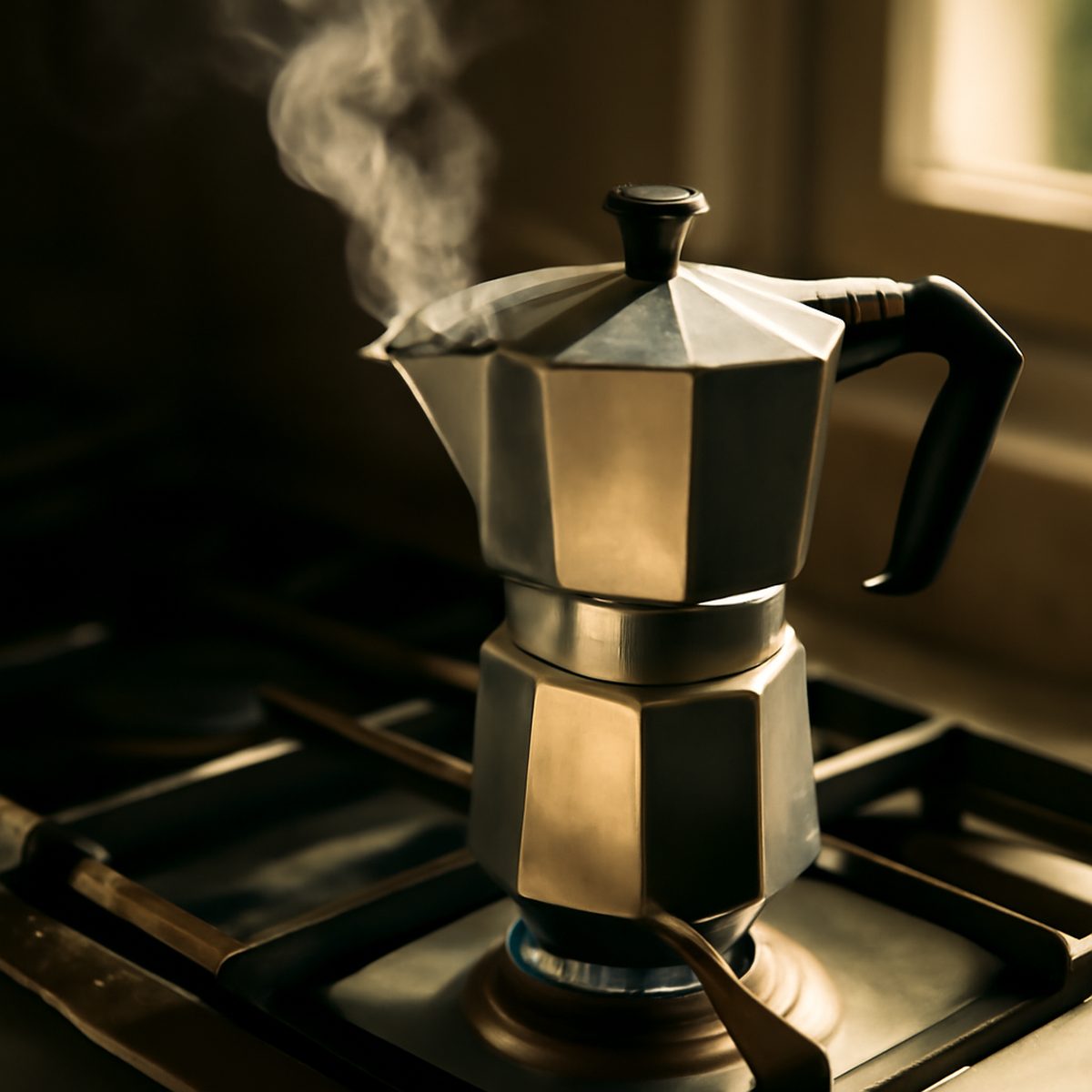
In a world of gleaming machines that cost as much as a holiday and take up half a counter, there is something almost defiant about the little aluminium pot that has sat on Italian stoves for the best part of a century. The moka pot, the stovetop espresso maker, makes strong, aromatic coffee with no electricity, no pump, no capsules and no maintenance beyond a rinse. It is cheap, nearly indestructible, and capable of a cup that many expensive machines struggle to match in character. The case for owning one is, frankly, hard to argue against.
It is not espresso in the strict technical sense; it does not reach the pressure of a proper machine, and it will not build the thick crema a barista prizes. But it makes something close in spirit and arguably richer in flavour: a dense, concentrated, intensely aromatic coffee that is a joy on its own and the foundation of a fine cup with hot milk. For the home, that is more than enough.
How it works
The mechanism is elegant and entirely mechanical. Water in the base chamber heats until steam pressure builds and pushes it up through a bed of ground coffee in the middle basket, and the brewed coffee rises into the top chamber where it collects. There are no moving parts, nothing to break, nothing to program. The physics does everything, which is precisely why the design has barely changed in decades and why a well-made pot can outlive its owner.
Because pressure is doing the extraction, the grind matters more than many realise. Too fine and the coffee chokes and turns bitter; too coarse and it runs weak and thin. You want something between filter and true espresso grind, and consistency counts, which is why the quality of your grinder matters as much here as anywhere. If you have looked into how burr grinders shape a cup, you already know that an even grind is the difference between a muddy brew and a clean, sweet one.
Brewing it well
The moka pot is forgiving, but a few small habits lift it from adequate to genuinely good. Start with water that is already hot from the kettle in the base, which shortens the time the pot spends on the heat and keeps the coffee from stewing and turning bitter. Fill the basket level with coffee but do not tamp it; unlike a real espresso machine, the moka wants the water to pass freely.
Listen to the pot. The moment it begins to splutter and gurgle, take it off the heat. That sound is the signal that the good coffee is through and only bitter steam remains.
Keep the heat moderate rather than fierce, and lift the pot off the flame the instant the top chamber fills and the flow turns pale and sputtering. Running it too hard or too long is the single most common mistake, and the cause of most disappointing moka coffee. As with all brewing, the water itself plays a quiet part; the notes in our piece on how water chemistry affects coffee apply to the moka pot as much as to any pour-over.
Choosing the beans
The concentrated nature of moka coffee suits beans with body and a little chocolatey depth, though a good pot will make a fine cup of almost anything you like. Buy whole beans and grind them fresh; nothing you do to the pot will rescue stale, pre-ground coffee that lost its aromatics weeks ago. A medium to medium-dark roast is a safe and delicious place to begin, and from there you can experiment freely.
Part of the pleasure of the moka pot is that it invites you into coffee as a craft without demanding a fortune. It rewards attention to the beans and the grind in the same way a filter setup does, and it makes a natural companion to the wider exploration of tasting single-origin coffees, letting you meet different beans intensely and cheaply.
Why it endures
The stovetop pot endures because it does one thing extremely well and asks almost nothing in return. It is small enough for the tiniest kitchen or the smallest suitcase, robust enough to survive being knocked about for years, and cheap enough that owning a good one is barely a decision. It makes coffee that has real character, a morning ritual with a satisfying rhythm to it, and a cup that connects you to a long domestic tradition without any of the theatre or expense of the modern machine.
It is worth adding that the moka pot scales its charm to the moment. Made for one on a quiet morning, it is a small, private ritual; made in a larger pot for a table of friends after lunch, poured into little cups with a twist of lemon peel in the Italian manner, it becomes a warm and sociable full stop to a meal. The same humble device does both jobs without complaint, and neither asks anything of you but attention and a few minutes. That range, from solitary comfort to shared pleasure, is part of why the pot has stayed on so many stoves for so long, handed down and taken for granted in the best possible way.
Maintenance, or rather the near-absence of it, is worth a final word. A moka pot asks only to be rinsed with hot water and dried, never scrubbed with soap, which strips the seasoning that builds up and improves the coffee over time, and never left to sit wet, which can mark the metal. The rubber gasket wears out eventually and costs almost nothing to replace, and that, essentially, is the sum of its upkeep for a lifetime of use. Set against the descaling, servicing and expense an electric machine demands, the little pot’s frugal simplicity is one more quiet mark in its favour.
Buy a decent one, learn its habits over a week or two, and it will reward you every morning for years. In an age that keeps trying to sell us more complicated solutions to simple pleasures, the little pot on the stove is a quiet, welcome argument for doing more with less. For more of the small daily rituals worth getting right, our Dining & Drinks pages are always a good place to return.
Renée has covered Singapore's restaurants for over a decade, with a soft spot for the kitchens most people walk past.