The Quiet Craft of the Perfect Ragu
A great ragu is not a recipe so much as a temperament. Here is how patience, a heavy pot and a few good cuts turn a Sunday into something worth savouring.
 By Renée Tan
1 September 2026 · 6 min read
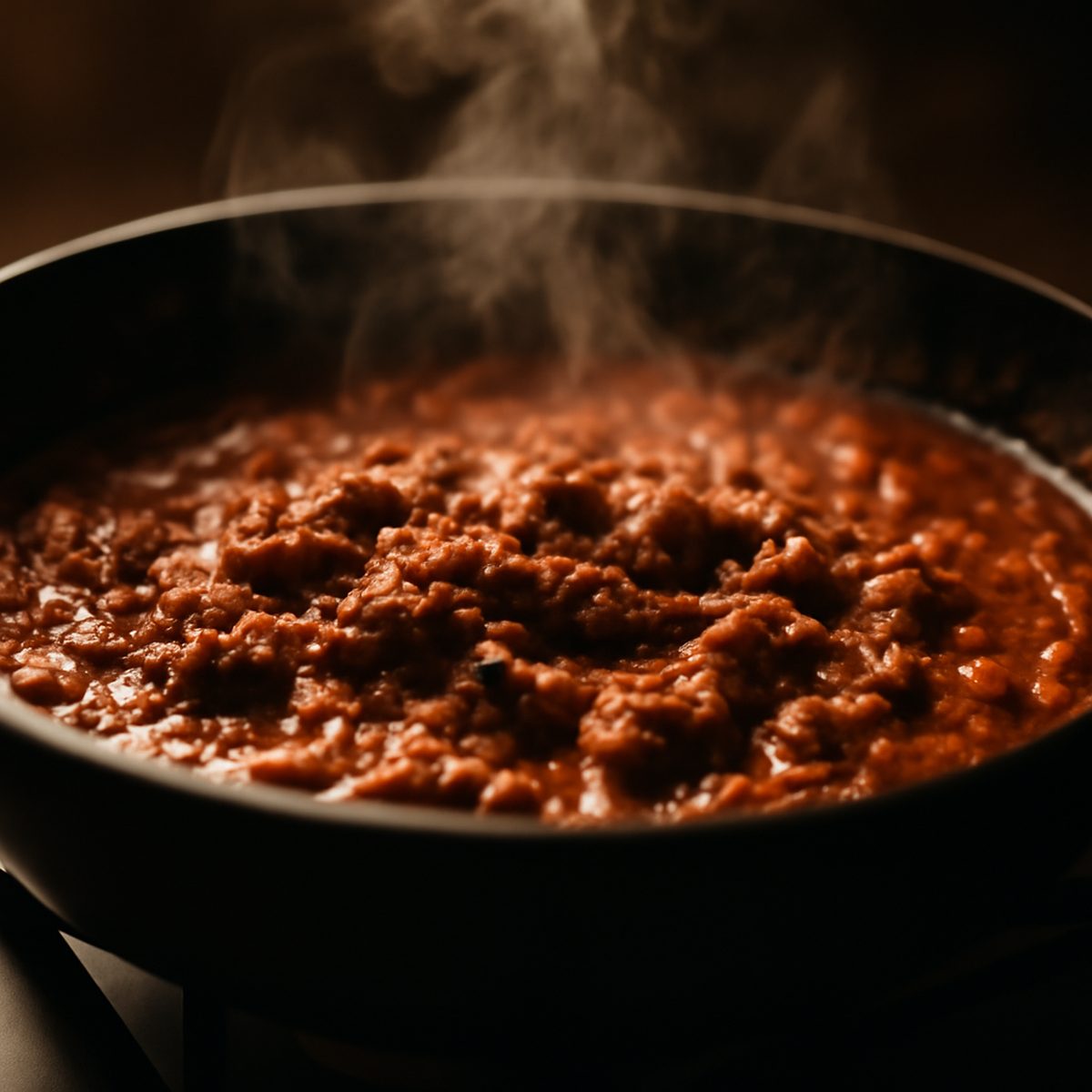
There is a particular quiet that settles over a kitchen when a ragu is on. Not silence exactly, but a low, contented register: the tick of a heavy lid, the faint blister of fat at the edge of the pot, the smell that thickens by the hour until it feels less like cooking and more like the house breathing. A good ragu asks almost nothing of you once it is under way. It asks a great deal of you before that, in the twenty patient minutes most cooks are tempted to hurry through. That is where the sauce is won or lost.
We tend to talk about ragu as if it were a single dish, but it is really a temperament dressed up as a recipe. Bologna claims one version, Naples another, and every grandmother a third that she will insist is the only correct one. What they share is a refusal to be rushed. If you take one idea from this piece, take that: ragu is slow not because slowness is fashionable, but because time is the only ingredient that does the work you cannot. A slow sauce deserves a pasta made with equal care, and the quiet craft of the perfect orecchiette shows how rewarding shaping it by hand can be.
Begin with the browning, not the simmer
The first mistake is treating browning as a formality. Meat that merely turns grey in the pan gives you a pale, one-note sauce no amount of later seasoning can rescue. You want proper colour: deep, uneven, almost too dark at the edges. This is the same principle that underpins the long, forgiving discipline of the braise, and it rewards the same restraint. Work in batches so the pan stays hot. Crowd the meat and it steams; give it room and it caramelises, laying down the savoury foundation everything else is built upon.
Choose your cut with a little cunning. Lean mince alone will disappoint; you need connective tissue and fat to melt into silk over the hours. A mix of coarsely ground beef and pork is classic, but a knob of minced shin or a little pancetta does quiet, generous work. Season as you go, not all at the end. Salt drawn in early seasons the meat itself rather than sitting on the surface of the finished sauce.
The battuto is the whole argument
Onion, carrot and celery, finely and evenly diced, sweated slowly in butter or oil until soft and sweet: this is the battuto, and it is the difference between a sauce that tastes of tomato and one that tastes of depth. Do not colour it hard. You are coaxing sweetness, not char. Give it ten minutes at least, longer if the vegetables are stubborn, and only when they have collapsed into softness do you return the meat and begin building upwards. The same patient softening of aromatics underpins a very different dish, as the quiet craft of the perfect pilaf explains.
Here the wine goes in, and here most people are too shy with the deglazing. Pour it, scrape the base, and let the alcohol cook off until the pan is almost dry again. Those browned scrapings are pure flavour; leave them stuck to the metal and you have thrown away the best part of your afternoon. A splash of milk before the tomatoes is an old Bolognese trick worth keeping. It tenderises the meat and softens any sharp acidity to come.
Tomato is a seasoning, not a swimming pool
The great error of the home ragu is drowning it. This is a meat sauce lightly bound by tomato, not a tomato sauce with meat in it. Use good tinned plum tomatoes or a modest spoon of concentrate, add enough stock or water to just loosen, and resist the urge to top it up every time it tightens. As the sauce reduces it concentrates, and a splash of a good homemade stock at the halfway mark does more for body than any amount of tinned pulp.
A ragu should never boil. It should tremble. If bubbles are breaking the surface with any conviction, your heat is too high and your meat is toughening rather than surrendering.
Keep it at the barest suggestion of a simmer, lid slightly ajar, for two hours at the very least and preferably three or four. Stir occasionally, taste often, and adjust with a patience that borders on indifference. The sauce is telling you what it wants; your job is mostly to listen and to keep the heat honest.
The finish, and the wait
When the fat has risen and gone glossy, when the meat has stopped being distinct pieces and become part of the whole, the ragu is nearly there. Check the seasoning one last time. It will likely need a little more salt than you expect and perhaps a grind of pepper. Some cooks fold in a final knob of butter or a handful of grated cheese off the heat for gloss; both are defensible, neither compulsory.
Then, if you can bear it, wait. A ragu made today and eaten tomorrow is a better thing, its flavours married and settled overnight in the cold. This is the same wisdom that governs so much of the unhurried ritual of the Sunday table: the best cooking is often the cooking you started yesterday. Serve it over fresh tagliatelle rather than spaghetti, which holds the sauce far better, and understand your pasta as a partner rather than a vehicle. A little time spent learning how shape and sauce belong together pays off here more than anywhere.
A word on the pot, because it matters more than any single ingredient. A heavy, thick-based casserole, ideally enamelled cast iron, holds and spreads the heat evenly and stops the sauce catching over its long hours on the stove. A thin pan gives you hot spots and scorching, and a scorched ragu carries a bitter note through the whole batch that no amount of stirring will lift out. If you are going to make ragu often, and once you have made it well you will, a good heavy pot is the one piece of equipment worth buying properly. It will serve you for braises and stews and soups besides, and earns its place on the shelf many times over.
None of this is difficult. That is the quiet scandal of ragu: it requires no technique you do not already possess, only the willingness to slow down and let the pot do what it was always going to do. In a life measured in notifications, there is something almost radical about a dish that insists on an afternoon. For more in this spirit, our Dining & Drinks pages return again and again to the same idea, that the finest things at the table are usually the ones we refused to hurry.
Renée has covered Singapore's restaurants for over a decade, with a soft spot for the kitchens most people walk past.