The Best Silver-Dial Watches, Reconsidered
Overshadowed by black and blue in recent years, the silver dial deserves reconsideration — a guide to why this quiet classic still earns its place today.
 By Daniel Koh
30 August 2026 · 6 min read
By Daniel Koh
30 August 2026 · 6 min read
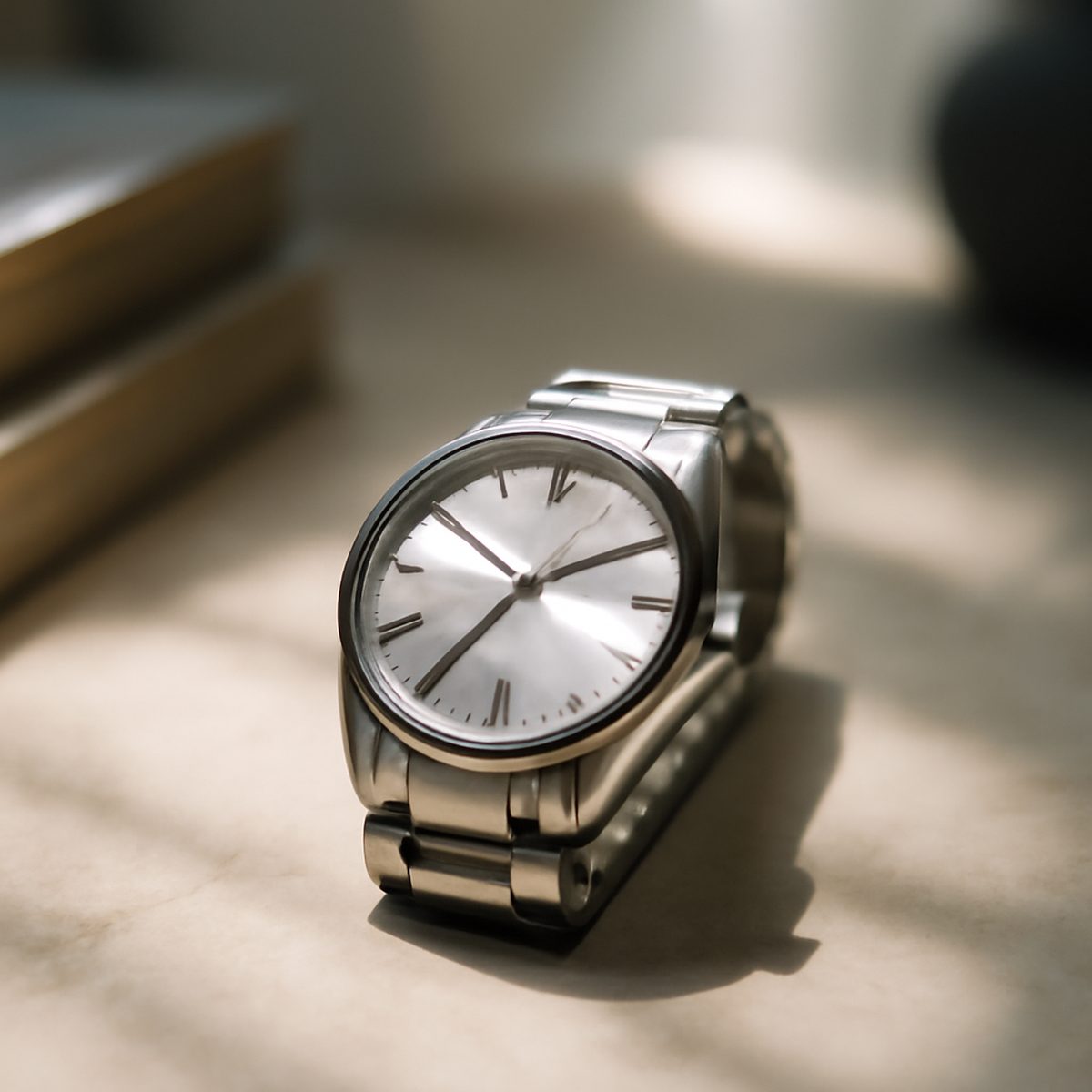
Dial colour trends move in cycles, and for the better part of a decade the conversation has belonged almost entirely to black and blue. Silver, by comparison, has quietly receded — treated as the safe, slightly unexciting default rather than a deliberate choice. This is worth reconsidering, because a genuinely well-executed silver dial remains one of the most versatile and quietly sophisticated options in watchmaking, deserving of far more attention than current trends suggest.
Why Silver Fell Out of the Conversation
Part of silver’s decline in collector enthusiasm is simply a matter of visibility. Black and blue dials photograph dramatically well, reproducing vividly on the small screens where most watch discovery now happens, while silver’s subtler qualities — the way it shifts between warm and cool depending on ambient light, the fine texture many silver dials carry — simply do not translate as effectively to a phone screen. This has created a feedback loop where flashier colours dominate social media attention, and silver, despite genuine merit, gets overlooked by newer collectors whose taste has been shaped primarily by online imagery rather than time spent with watches in person.
What a Good Silver Dial Actually Offers
In person, a well-made silver dial reveals qualities that photographs consistently undersell. The colour is genuinely neutral in a way black and blue are not — it pairs with a wider range of strap colours and outfit contexts without ever clashing, making it arguably the single most versatile dial colour for someone who wants one watch to do genuinely broad duty across formal and casual settings alike. Silver also tends to showcase dial texture more effectively than darker colours, since fine brushing, guilloché engraving, or sunburst finishing all catch and reflect light more visibly against a pale background than against black. For a deeper look at how texture interacts with colour on a dial, understanding watch dials and textures is worth reading alongside this piece.
There is also a strong case that silver ages more gracefully in a collection than trend-driven colours. A black-dial watch bought at the height of a particular design trend can feel dated once fashion moves on; a genuinely well-made silver dial has remained a legitimate, tasteful choice across nearly every era of modern watchmaking, precisely because it never fully commits to a specific aesthetic moment.
Comparing Silver to Its Rivals
Understood properly, silver occupies a genuinely distinct space from its more fashionable competitors. The best white-dial watches, reconsidered covers the closely related but distinctly different white dial, which tends to read flatter and more clinical than silver’s subtle depth and shift under changing light. The best black-dial watches, reconsidered makes the case for the opposite end of the spectrum — a dial built for maximum contrast and legibility rather than silver’s quieter, more adaptable character. Understanding these distinctions helps clarify exactly what silver offers that its rivals do not: genuine adaptability rather than a single strong aesthetic statement.
What to Look for in a Genuinely Good Silver Dial
- Fine texture — brushed, sunburst, or guilloché finishing — rather than a completely flat, printed silver surface.
- Contrast-appropriate hands and markers; silver can wash out legibility if hour markers lack sufficient definition against the pale background.
- A case metal that complements rather than competes with the dial — steel and white gold both suit silver particularly well.
- Consistent tone across the dial surface; cheaper silver dials sometimes show uneven plating that becomes obvious under close inspection.
Silver’s Practical Advantages Beyond Style
There is also a genuinely practical case for silver that rarely enters the style conversation. Silver dials tend to show scratches and dust considerably less than glossy black, since the lighter tone and often-textured surface disguises minor surface marks that would stand out starkly against a darker, glossier background. For a watch intended for genuine daily wear rather than careful, occasional use, this durability advantage matters more than most buyers initially consider. A black dial demands a slightly more careful relationship with its owner; a good silver one tends to forgive the ordinary wear of daily life more gracefully.
Resale value within the pre-owned market has also historically favoured silver and white dials for exactly this versatility, since a watch that suits a wider range of buyers’ tastes tends to move more easily on the secondary market than one tied to a specific, trend-dependent colour, though the primary case for silver remains its everyday wearability rather than any purely financial calculation.
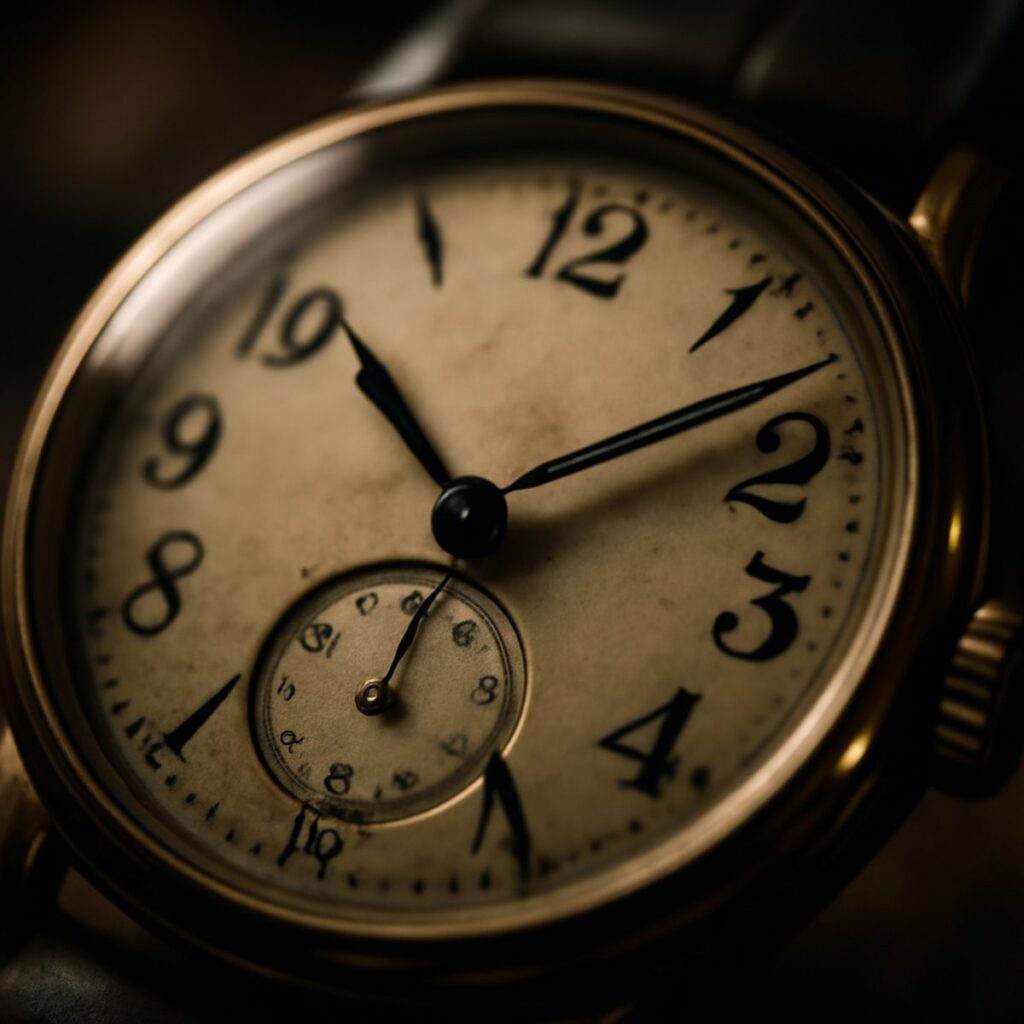
Vintage silver-dial pieces deserve particular attention within this argument. Many of the most respected dress watches of the mid-twentieth century were produced with silver or silvered dials as the default option, meaning a genuinely deep pool of well-regarded vintage examples exists for collectors willing to look. This gives silver a historical depth that trend colours simply cannot match — decades of proven, well-documented examples rather than a handful of years of current market enthusiasm. Collectors building a genuinely serious understanding of dress watch history would do well to spend real time with these vintage silver pieces before assuming a newer black or blue release represents the more sophisticated choice.
“Silver is the dial colour people come back to,” one dealer specialising in vintage watches told us, “usually after they’ve already owned two or three black-dial watches and realised none of them go with everything the way the silver one does.”
A Case for Reconsideration
The broader lesson here extends beyond silver specifically: dial colour trends genuinely do move in cycles, and buying purely on current fashion risks a collection that feels dated within a few years. A silver dial, chosen well, offers something closer to a permanent wardrobe staple than a trend piece — quietly versatile, genuinely photogenic in person even if it undersells itself on a screen, and consistently underrated by a market currently distracted by louder colours. The best blue-dial watches, reconsidered makes the case for its own trend-driven category with similar nuance, worth reading for anyone weighing silver against the current market favourite.
For more on building a genuinely considered watch collection rather than simply chasing current trends, the wider Style & Watches section covers the full range of what actually holds up over time.
Daniel has spent fifteen years arguing that the best watch is the one you never take off.