The Best River and Delta Retreats
Slow water, working boats and quiet lodges built for stillness: here is where Asia's river and delta retreats reward genuinely unhurried travel.
 By Marcus Lim
31 August 2026 · 6 min read
By Marcus Lim
31 August 2026 · 6 min read
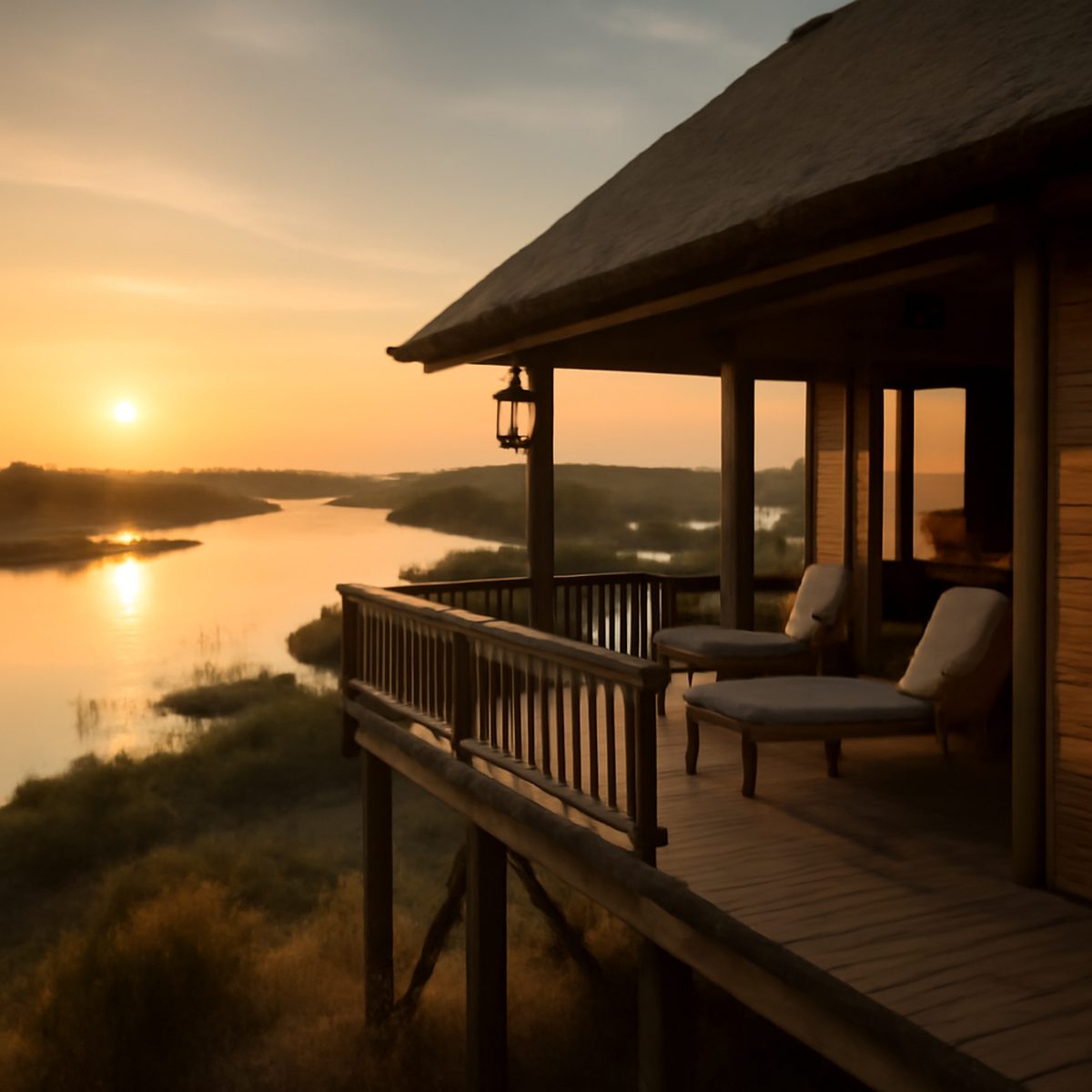
Asia’s coastlines and mountains dominate most travel conversations, but its river deltas — the wide, slow, silt-rich landscapes where great rivers finally meet the sea — offer a different, quieter kind of retreat entirely. These are working landscapes, shaped by tides, rice cultivation and generations of river-based livelihood, and the better lodges built within them understand that the appeal lies precisely in that lived-in quality rather than in manufactured seclusion. A stay here rewards patience: mornings on slow-moving water, afternoons watching light shift across paddy fields, evenings with little to do but listen to a river that has been flowing the same way for centuries.
What separates a genuine delta retreat from a resort with a river view
The best properties in this category are built with real proximity to the water and the working life around it — often accessible only by boat, staffed substantially by people from the surrounding delta communities, and structured around the rhythms of tide and season rather than a fixed resort schedule. A retreat that simply overlooks a river from behind a manicured lawn misses the point entirely; the genuine article puts you on the water itself, in a small boat with a local guide, watching how a delta community actually lives rather than observing it from a comfortable distance.
What a considered delta stay typically offers
- Small-boat excursions with local guides rather than large tourist vessels
- Accommodation built on stilts or close to the waterline, designed around seasonal flooding
- Cuisine drawing directly on the delta’s own fish, rice and vegetable traditions
- A deliberately limited number of rooms, keeping the human footprint modest against the landscape
The rhythm of a delta stay
Days at a well-run delta retreat tend to follow the water rather than a fixed itinerary — an early departure to catch the best light and calmest currents, a slow lunch built around whatever the morning’s fishing produced, and afternoons that allow for genuine idleness rather than a packed activity schedule. This unhurried structure is, for many travellers, the entire point: a deliberate contrast to the more programmed pace of a typical beach or mountain resort. It shares a similar philosophy with the slower, water-adjacent pace found at the best mangrove and wetland retreats, another category built around observing a landscape rather than conquering it.
“People arrive expecting a checklist of activities,” one lodge owner working in a major Southeast Asian delta told us. “By the second day, most of them have stopped asking what’s next and started just watching the river. That shift is really what we’re selling.”
Choosing the right season
Delta landscapes change dramatically across the year, from dry-season low water that exposes sandbanks and concentrates wildlife, to wet-season flooding that transforms rice paddies into shimmering, water-logged mirrors. Neither season is objectively better, but they offer genuinely different experiences, and a good retreat will be honest about which season suits which kind of traveller rather than simply promoting peak occupancy months. Those drawn specifically to the cruising side of river travel should also read our piece on luxury river cruises, reconsidered, which covers a related but distinct way of experiencing these same waterways.
Building this into a wider itinerary
A delta retreat pairs naturally with more conventional riverside city stays, and travellers building a broader itinerary around water-adjacent travel should also consider the best riverside hotels in Asia as a bookend to a more remote delta stay, offering a useful contrast between urban river life and the quieter delta communities further downstream. Combined thoughtfully, the two make for a genuinely rounded sense of how a river shapes the life along its entire length, from city bridge to open estuary.
A landscape worth the unhurried approach
What makes a river delta retreat worth seeking out, within the wider landscape of Travel & Stays, is its refusal to rush — the water itself sets the pace, and the best lodges have simply learned to build their entire experience around that fact rather than fighting it. For travellers tired of resorts engineered for constant stimulation, a few unhurried days on slow water offer something genuinely different, and genuinely restorative.
What to pack, and what to leave behind
Delta travel rewards practical packing over anything ornamental: breathable, quick-drying clothing, sturdy sandals that can handle mud and wet boat decks, and strong insect protection for early morning and dusk excursions when mosquito activity tends to peak. Binoculars are worth the extra weight for birdwatching along quieter tributaries, and a dry bag for any electronics is close to essential given how easily spray finds its way into even a calm-seeming boat. Leave the formal wardrobe at home; the best delta lodges dress down deliberately, in keeping with the working landscape around them, and a guest who arrives overpacked for a resort experience usually finds themselves quietly out of step with everyone else on the water.
Responsible travel in a living landscape
Because these are genuinely inhabited, working environments rather than manufactured wilderness, a good delta retreat should be transparent about how it supports the surrounding communities, whether through direct employment, sourcing food locally, or limiting boat traffic during sensitive fishing or planting periods. Asking a lodge directly about these practices before booking is a reasonable and increasingly common question, and the answers tend to correlate closely with the overall quality and authenticity of the experience on offer. A retreat that can speak specifically and confidently about its relationship with the surrounding delta community is almost always the one worth booking, and the one most likely to deliver the genuine, unhurried stillness this kind of travel promises.
A quieter kind of luxury
None of this reads, on paper, like conventional luxury travel, and that is rather the point. A delta retreat offers nothing to photograph in the way a dramatic infinity pool or a private beach might, and its real value only becomes apparent once you have slowed down enough to notice it: the particular quality of light on brown water at dawn, the sound of a boat engine cutting out as it drifts toward a quiet bank, the unhurried rhythm of a community that has lived alongside this river for far longer than any hotel has existed. For travellers willing to meet it on those terms, few landscapes in Asia offer a more genuine sense of stillness. For a coastal alternative where the tide sets the rhythm, our guide to the best tidepool and intertidal retreats offers a similar stillness.
Marcus writes on travel and hospitality across Asia, and is happiest a long way from a lobby.