The Best Tidepool and Intertidal Retreats
The best marine retreats are not always about diving. Some of the richest wildlife-watching in Asia happens at low tide, in the pools left behind on the rocks.
 By Marcus Lim
1 September 2026 · 6 min read
By Marcus Lim
1 September 2026 · 6 min read
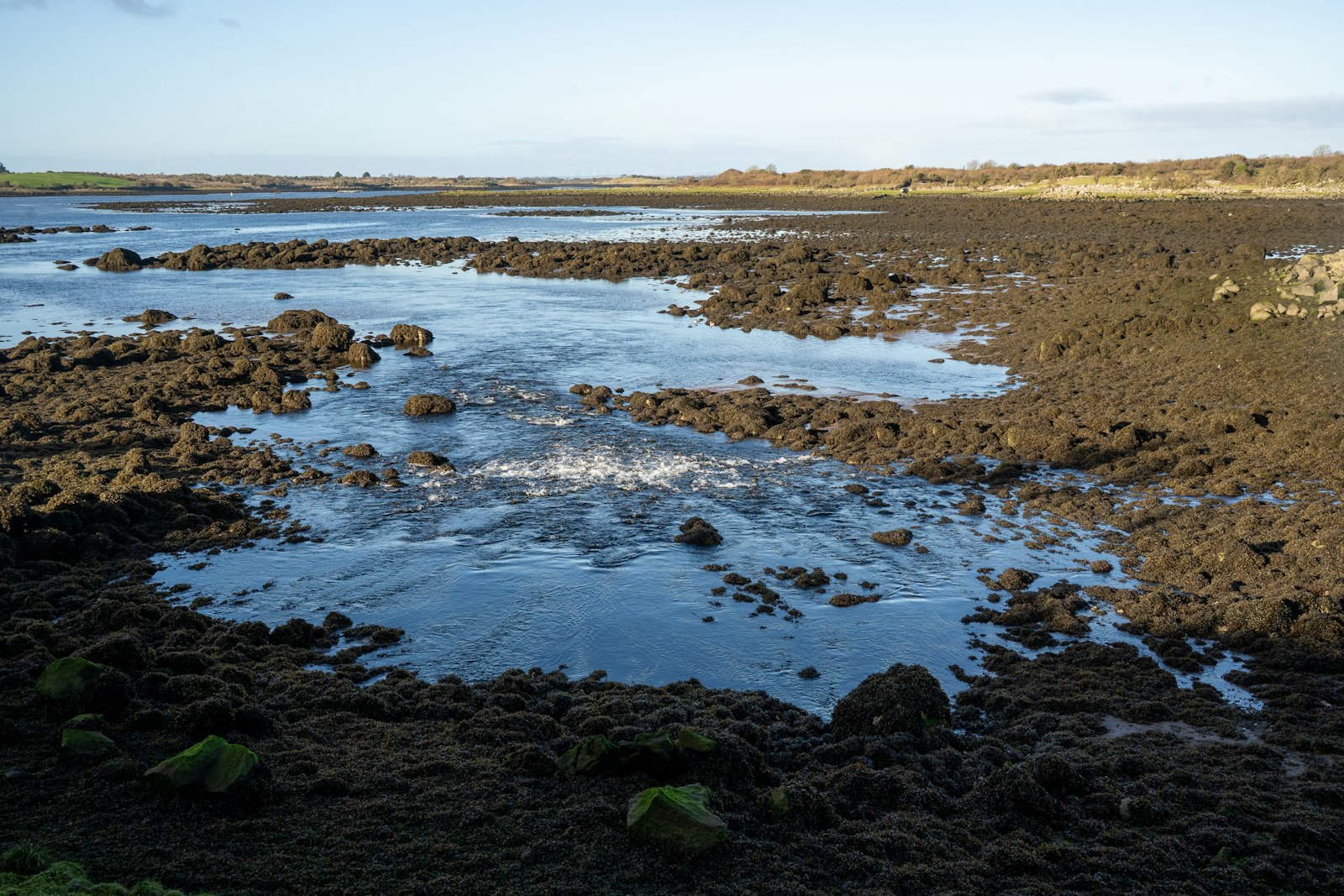
Most marine travel in Asia is built around the boat — a dive site, a snorkelling spot, a sunset cruise. Tidepool travel is different, and quieter, because the interesting part happens without a vessel at all. Twice a day, as the tide draws back over a rocky shoreline, it leaves behind a network of shallow pools stocked with everything that could not retreat with the water: anemones, small fish, crabs working the margins, the occasional octopus tucked into a crevice. A handful of retreats across the region have built their whole character around this rhythm, and they reward a very different kind of traveller to the one chasing a dive certification.
Why the intertidal zone is worth the trip
The intertidal zone — the strip of coast exposed at low tide and submerged at high tide — is one of the most biologically dense habitats on the planet, precisely because everything living there has had to adapt to being alternately underwater and exposed to open air. That adaptation produces an unusually visible, unusually approachable kind of wildlife-watching: no tanks, no boat, often no more equipment than a decent pair of reef shoes and the patience to crouch by a pool for twenty minutes and actually look.
Good tidepool retreats plan around this rhythm rather than around the clock. Meal times shift, excursions are scheduled by the tide table pinned in reception rather than by a fixed itinerary, and the best guides can read a falling tide the way a sommelier reads a vintage — knowing exactly which rock shelf will be most productive an hour after the water starts to retreat.
What a good stay looks like
Signs of a retreat that takes this seriously
- A tide table posted prominently, and staff who actually plan the day around it
- Guides who can identify what is in the pools, not just point at it
- Rooms or a terrace with a direct line to the rocky shore, so guests can wander down independently between organised outings
- A conservation ethic — no collecting, no handling beyond what a knowledgeable guide judges safe for both guest and creature
The best of these properties are modest by design. A grand resort with manicured grounds tends to sit awkwardly against a genuinely wild rocky shoreline; the retreats that do this well are usually smaller, closer to the water, and built with materials that weather rather than fight the salt air. Those who would rather see marine life from the water than the shore should consider the best barrier-reef and cay retreats.
The wider marine landscape it sits within
Tidepool travel pairs naturally with the broader category of kelp-forest and rocky-shore retreats, since both draw on the same cooler, current-swept coastlines rather than the warm, calm lagoons more typical of beach resort marketing. Travellers who enjoy one tend to enjoy the other, and a longer coastal trip can reasonably combine both without much loss of momentum.
For travellers building sustainability into the trip itself, it is worth looking at the region’s best coastal eco-lodges, many of which sit adjacent to exactly this kind of intertidal habitat and are run with the low-impact ethos that rock-pool wildlife genuinely depends on — construction set back from the shoreline, minimal light pollution, and staff trained to keep both guests and the ecosystem at a respectful distance from each other.
“We spent more time crouched over a single pool than we did in the water the whole trip. There was a small octopus that came back to the same crevice every low tide, and by the third day the guide knew exactly where to find it,” one guest recalled of a stay on a rocky stretch of coast known for its resident intertidal life.
Reading the tide table like a local
Understanding the difference between spring tides and neap tides is worth ten minutes of research before any tidepool trip. Spring tides — which have nothing to do with the season and everything to do with the alignment of sun and moon — pull the water back furthest, exposing pools and rock shelves that stay submerged the rest of the month. A retreat’s best guides will plan their strongest excursions around these windows rather than simply going out whenever the schedule allows, and it is worth asking on booking whether a stay overlaps with one. For gentler water and a different cast of marine life, our selection of seagrass and shallow-bay retreats offers a quieter alternative to the rock shelf.
Footwear deserves more thought than it usually gets. Rocks exposed to a receding tide are often coated in algae that turns startlingly slick underfoot, and the difference between a good pair of reef shoes with real grip and a pair of ordinary sandals can be the difference between a comfortable few hours of exploring and a short, cautious one. The best retreats lend proper gear as a matter of course, which is itself a reasonable indicator of how seriously they take the whole exercise.
Beyond the pools
Retreats built around intertidal wildlife often sit within striking distance of larger marine life too — travellers with a few extra days should look at the best whale and marine wildlife trips in the region as a natural extension, moving from the small, patient wildlife-watching of a rock pool to the considerably larger scale of open-water sightings further offshore.
What makes tidepool travel worth the specific recommendation is how little it asks of a traveller. No dive certification, no boat charter, no early wake-up call beyond checking the tide table — just a willingness to crouch by a pool of cold, clear water and let something small and strange come into view. It is one of the more contemplative forms of wildlife travel on offer anywhere in the region, and one of the least photographed, which suits the kind of traveller this magazine tends to write for. It also travels well as a family trip — children who might find a long dive briefing tedious are often the most patient, most delighted observers once a crab or a small fish appears in a pool at their feet, and a good guide can turn a single rock pool into an hour of genuine fascination for a seven-year-old with no interest at all in a formal snorkelling lesson. The full Travel & Stays archive has more on where else the coastline rewards a slower look.
Marcus writes on travel and hospitality across Asia, and is happiest a long way from a lobby.