The Best Boutique Hotels in Nagoya
Industrial heritage reworked with real craft: here is where Nagoya's boutique hotel scene is quietly proving this underrated city deserves its own visit.
 By Marcus Lim
31 August 2026 · 6 min read
By Marcus Lim
31 August 2026 · 6 min read
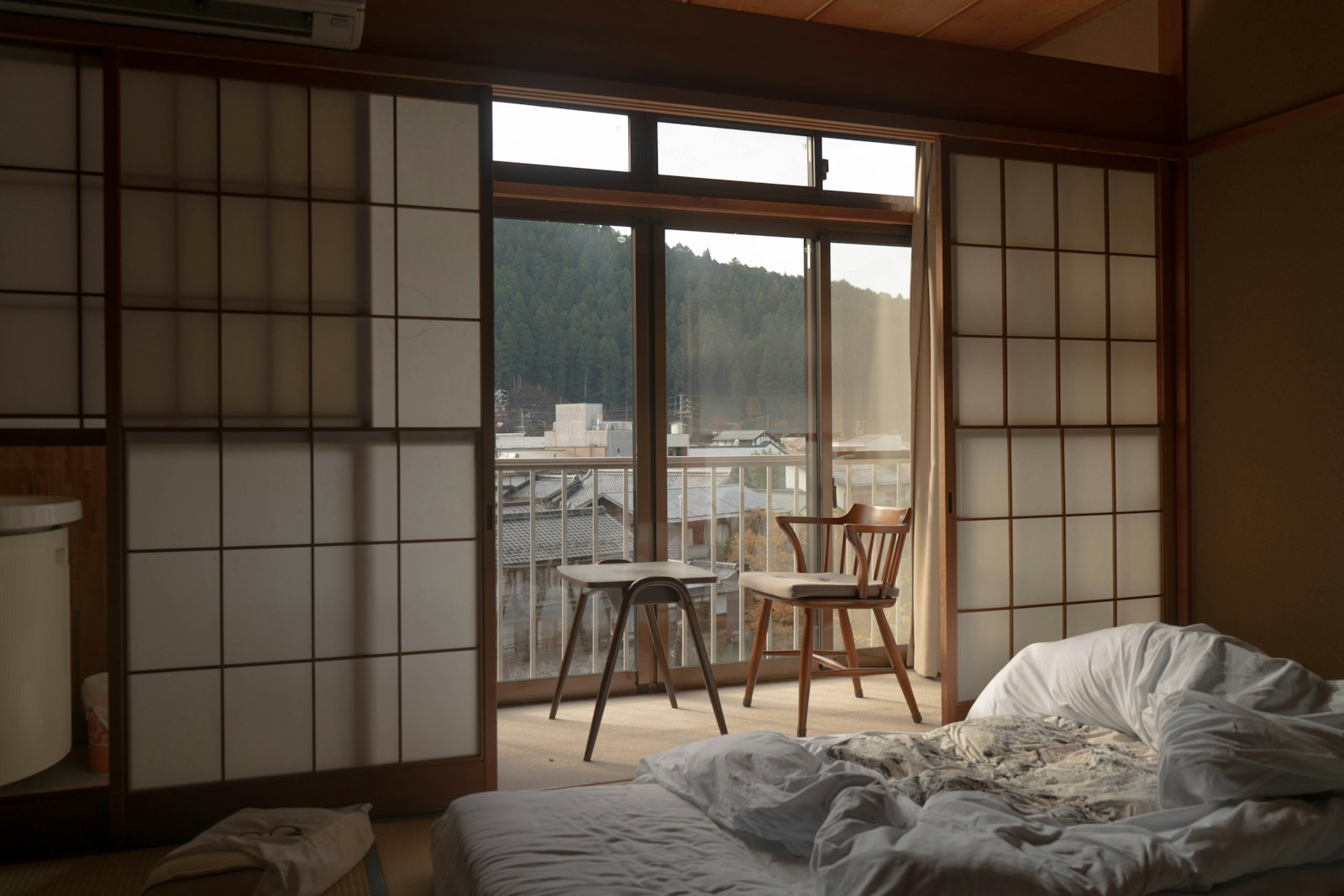
Nagoya has long suffered from an image problem among international travellers, dismissed as an industrial waypoint between Tokyo and Kansai rather than a destination worth its own dedicated stay. That reputation has always undersold the city, and it has become particularly outdated over the past several years, as a genuine cluster of boutique and design-focused hotels has emerged, drawing directly on Nagoya’s manufacturing and craft heritage rather than importing a generic international luxury template. These properties make a genuinely persuasive case for treating the city as more than a transfer point.
Industrial heritage as a design language, not a gimmick
Nagoya’s economic history — automotive manufacturing, textiles, ceramics — has given the city’s better boutique hotels a distinct material vocabulary to draw from: exposed steel and concrete softened by traditional joinery, ceramics sourced from the nearby Seto and Tokoname kilns, and textiles referencing the region’s weaving heritage. The best properties treat this industrial identity as a genuine design language rather than a superficial aesthetic layer, working with local craftspeople and manufacturers rather than simply gesturing toward the city’s heritage through decorative motifs alone.
What distinguishes a genuinely considered Nagoya property
- Furniture and fittings sourced from or made in collaboration with regional craftspeople
- A restrained material palette that reflects the city’s industrial rather than imperial history
- Ceramics and textiles connected specifically to nearby production centres like Seto and Tokoname
- Service that leans into understated, precise Japanese hospitality rather than imported luxury conventions
Location matters more than it first appears
Nagoya’s better boutique hotels tend to cluster around a handful of distinct neighbourhoods, each offering a genuinely different register of city life: the area around Sakae for those wanting proximity to shopping and nightlife, quieter pockets near Osu for travellers drawn to the city’s temple markets and vintage shopping streets, and locations closer to Nagoya Castle for a slower, more historically grounded stay. Choosing a neighbourhood with genuine intent, rather than simply booking whatever sits closest to the station, meaningfully shapes the character of a stay in a city this walkable.
“Guests arrive expecting a stopover hotel and leave asking why they didn’t plan more time here,” one Nagoya hotelier told us. “The city doesn’t announce itself the way Kyoto does. You have to actually stay to understand it.”
How Nagoya compares to its more famous Kansai neighbours
Where Kyoto’s design hotels tend to draw on centuries of imperial and temple heritage, and Osaka’s lean into a louder, more commercial energy, Nagoya’s better properties occupy a genuinely distinct middle register — understated, craft-focused, and shaped by manufacturing rather than court culture. For a useful point of comparison, our guides to the best boutique hotels in Kyoto and the best boutique hotels in Osaka make the contrast clear, and reading all three together gives a genuinely useful sense of how differently Japan’s major cities express hospitality through design.
Pairing a Nagoya stay with the wider region
Nagoya’s central position and strong shinkansen connections make it an easy addition to a broader Japan itinerary, and travellers who enjoy this piece should also read our companion guide to forty-eight hours in Nagoya for a fuller sense of how to spend time in the city beyond the hotel room itself. Those drawn to design-led hospitality more broadly should also consult our guide to the best design hotels in Tokyo, which shares much of the same underlying philosophy even as the two cities express it quite differently.
A city ready for its own visit
What Nagoya’s emerging boutique hotel scene ultimately proves is that a city’s international reputation and its actual quality of experience can diverge significantly — and that the gap, when it exists, is often where the most interesting travel discoveries are made. For readers exploring the wider region, this is a case worth taking seriously, and it belongs firmly within the kind of considered, unhurried travel we champion throughout Travel & Stays.
Booking considerations worth knowing
Because Nagoya’s boutique scene remains smaller than Kyoto’s or Tokyo’s, the standout properties tend to carry limited room counts, and popular dates around major trade fairs and manufacturing conventions — the city hosts several significant ones each year — can sell out well in advance even though the city rarely feels crowded to a leisure traveller. It is worth checking the local events calendar before booking, both to avoid unexpected scarcity and, for the curious, because a convention week can offer genuinely interesting insight into the city’s continued industrial identity.
A base for exploring the wider Chubu region
Beyond the city itself, Nagoya makes a genuinely convenient base for exploring the wider Chubu region, from the historic post towns of the Kiso Valley to the pottery villages surrounding Seto, many of which supply the very ceramics found in the city’s better hotel rooms. A boutique property with genuine regional knowledge on staff can meaningfully shape these day trips, offering introductions or context that a traveller working from a guidebook alone would likely miss entirely, and it is worth asking directly at check-in whether the hotel can arrange an introduction to a specific kiln or workshop rather than simply handing over a printed map.
Dining within reach
A well-located boutique stay also puts a guest within easy reach of Nagoya’s own distinct food culture, built around hearty, miso-forward dishes that stand apart from the more delicate flavour profiles associated with Kyoto or Osaka. Several of the city’s better hotels maintain close relationships with nearby restaurants and can secure a table at short notice where a traveller booking independently might struggle, a small but genuinely useful advantage of choosing a smaller, well-connected property over a larger international chain with less local standing, and one that pays off repeatedly across a longer stay rather than on a single introductory night.
Timing a visit well
Spring and autumn remain the most comfortable seasons for exploring Nagoya on foot, with the summer months bringing a humidity that makes indoor pursuits, including the city’s craft museums and its excellent aquarium, considerably more appealing than a full day outdoors. Regardless of season, a stay of at least two nights is worth building into any itinerary, since a single overnight rarely allows enough time to move beyond the immediate hotel neighbourhood into the quieter districts where the city’s real character properly shows itself.
Marcus writes on travel and hospitality across Asia, and is happiest a long way from a lobby.