The Best Places for Mist and Cloud-Forest Travel
Above the haze line, where cloud meets canopy, a quieter kind of travel unfolds properly. Here is where to find it, and how to travel there well and slowly.
 By Marcus Lim
31 August 2026 · 6 min read
By Marcus Lim
31 August 2026 · 6 min read
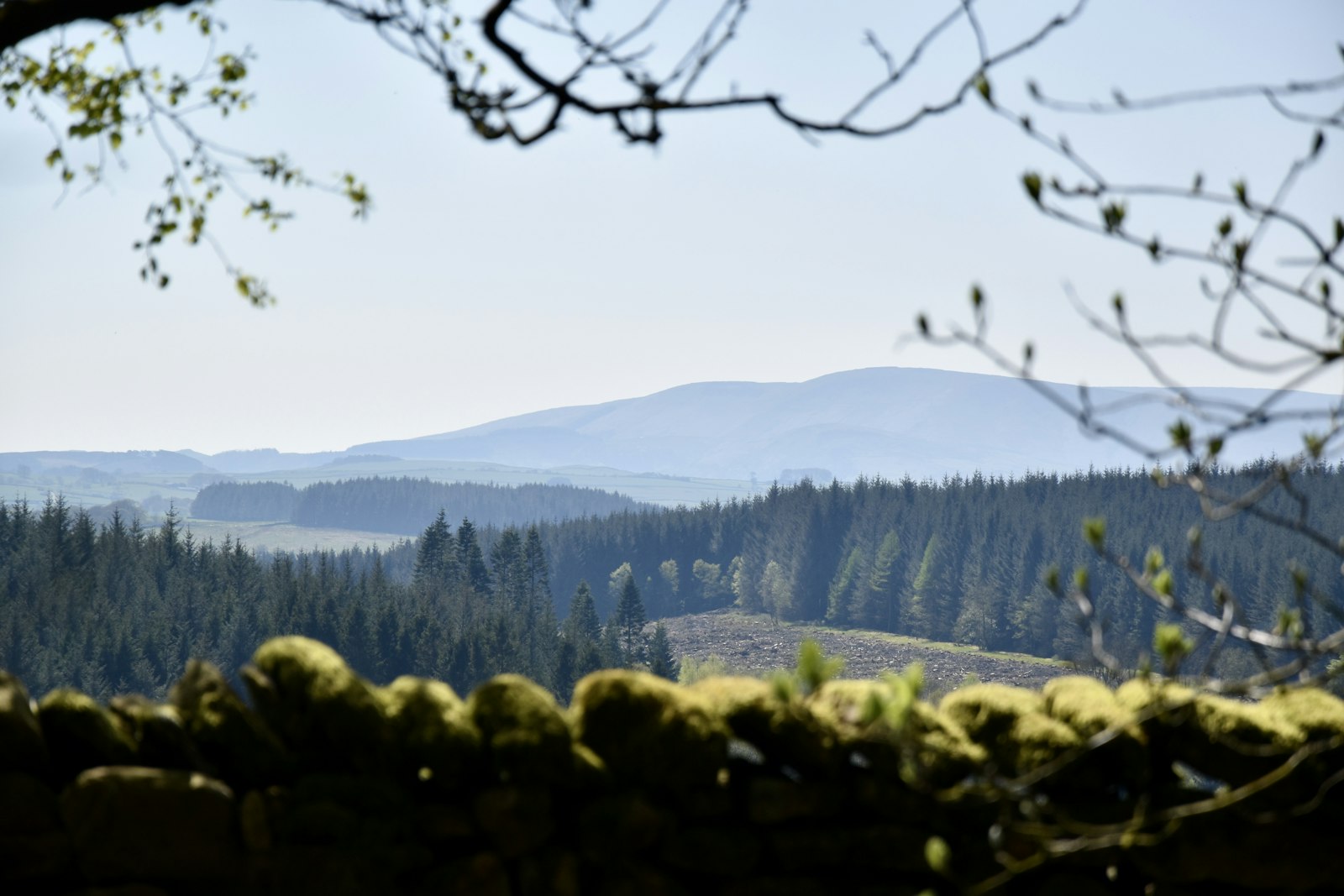
There is a line, somewhere between eight hundred and two thousand metres depending on the range, where the air changes character. The heat of the lowlands gives way to something cooler and wetter, cloud sits permanently against the ridgeline, and the forest itself grows a second skin of moss, lichen and epiphyte. This is cloud-forest country, and across Asia it remains one of the least crowded, most quietly spectacular forms of travel available to anyone willing to trade a beach chair for a walking stick and a decent rain shell.
Cloud forests are not simply misty jungles. They are a distinct ecological zone, formed where warm, moisture-laden air rises against a mountain slope and condenses into near-permanent fog. The result is a forest that drips rather than pours, where sunlight arrives filtered and green, and where silence is punctuated only by birdsong and the occasional collapse of water from an overladen leaf. For the traveller, it is a genuinely different register of landscape from the tropical beach resort or the temple town, and one that rewards patience over itinerary-ticking.
Where the mist gathers
Southeast Asia’s highland spine, from northern Vietnam and Laos through to the central ranges of Sumatra and Sulawesi, holds some of the region’s finest cloud-forest pockets. Here, tea and coffee smallholdings sit at the forest edge, and a morning walk can move from cultivated terrace to primary canopy within the space of an hour. Further north, the misty ranges of Taiwan’s central mountains and Japan’s higher Kyushu peaks offer a cooler, more temperate version of the same phenomenon — camphor and cypress standing in for dipterocarp, but the same drifting fog, the same hush.
What unites these places is elevation and orientation: a slope facing the prevailing moist wind, high enough to trap cloud but not so high as to lose the forest to bare rock. Lodges built into these zones tend to be small and unshowy — a handful of rooms on stilts, a wood-fired bath, a guide who has walked the same ridge for twenty years and can name every bird call without looking up. It is a style of hospitality built around stillness rather than spectacle.
How to travel it well
The cloud forest rewards a slower pace than most itineraries allow. Arriving for one night rarely does the landscape justice; the fog has its own schedule, often burning off by mid-morning and returning by late afternoon, and the best light — soft, diffused, faintly silver — belongs to those who stay long enough to catch it more than once. A three- or four-night stand in one location, with day walks radiating out from a single base, tends to produce a far richer sense of place than a string of one-night stops.
- Pack for genuine damp, not just rain: a breathable shell, quick-dry layers, and boots that can dry overnight by a fire rather than a radiator.
- Book guided walks at first light. Wildlife and birdlife are markedly more active before the fog lifts, and the forest’s acoustic character is at its most complete.
- Choose accommodation with a genuine relationship to the land — a working tea garden, a reforestation project, a family-run lodge — over anything that has simply borrowed the view.
What to expect underfoot
Trails through cloud forest are rarely groomed in the manner of a resort nature walk. Roots run proud of the soil, moss makes stone crossings treacherous, and a walking pole is not an affectation but a genuine aid. This is part of the appeal: a landscape that has not been smoothed for convenience retains a wildness that lowland tourism has largely traded away. Guides who work these routes daily know exactly where the ground gives and where it holds, and their pace — unhurried, attentive — is usually the correct one to adopt.
“You stop checking your watch after the second day,” one long-time guide in a central highland reserve told us. “The cloud tells you what time it is far better than a phone does.”
Pairing mist with altitude
Cloud-forest travel sits naturally alongside the region’s broader highland and tundra escapes, particularly for travellers building a longer itinerary around cooler climates and quieter landscapes. A route that moves from lowland cloud forest to higher, starker terrain gives a satisfying sense of ecological progression — one that the region’s tundra and cold-climate escapes extend further still, into landscapes where trees give way entirely to lichen and rock. Travellers drawn to this kind of ascent often find themselves equally interested in the best plateau and highland escapes, where the same cool, unhurried pace applies at slightly lower drama but no less reward.
For those who prefer their fog paired with genuine winter chill rather than tropical warmth, frost and ice landscapes further north offer a related but distinct experience — the same appetite for atmosphere, expressed through crystalline cold rather than warm damp. And for travellers who want their cloud-forest days bookended by proper architecture rather than a simple lodge, it is worth glancing at the region’s best rainforest and jungle lodges, several of which sit at the exact elevation where the mist begins.
The case for going in the wet season
Most travellers instinctively avoid the wet months, but cloud forest is, almost by definition, at its most itself when saturated. Waterfalls run full, moss glows an almost unnatural green, and the fog itself thickens into something closer to a physical presence than a weather condition. Accept a slightly higher chance of a washed-out afternoon in exchange for a landscape performing at full intensity, and pack accordingly — a good book, a warm drink, and the understanding that a day spent listening to rain on a tin roof is not a day wasted in this kind of place.
Cloud-forest travel will never dominate a glossy itinerary in the way a private-pool villa does, and that is rather the point. It asks for patience, decent boots and a willingness to be quietly, thoroughly outclassed by the weather. In return it offers something the region’s more polished corners increasingly struggle to provide: genuine hush, unhurried scale, and the sense of having found a landscape that has not yet been fully explained to you. For travellers building a broader route through the region’s more considered corners, this piece sits comfortably within Black Cow’s wider Travel & Stays coverage, which returns often to the idea that the best journeys are the slowest ones.
Marcus writes on travel and hospitality across Asia, and is happiest a long way from a lobby.