The Best Places for Frost and Ice Landscapes
Frost transforms a familiar landscape into something briefly foreign. Here is where in Asia that transformation is genuinely worth the cold, early morning.
 By Marcus Lim
31 August 2026 · 6 min read
By Marcus Lim
31 August 2026 · 6 min read
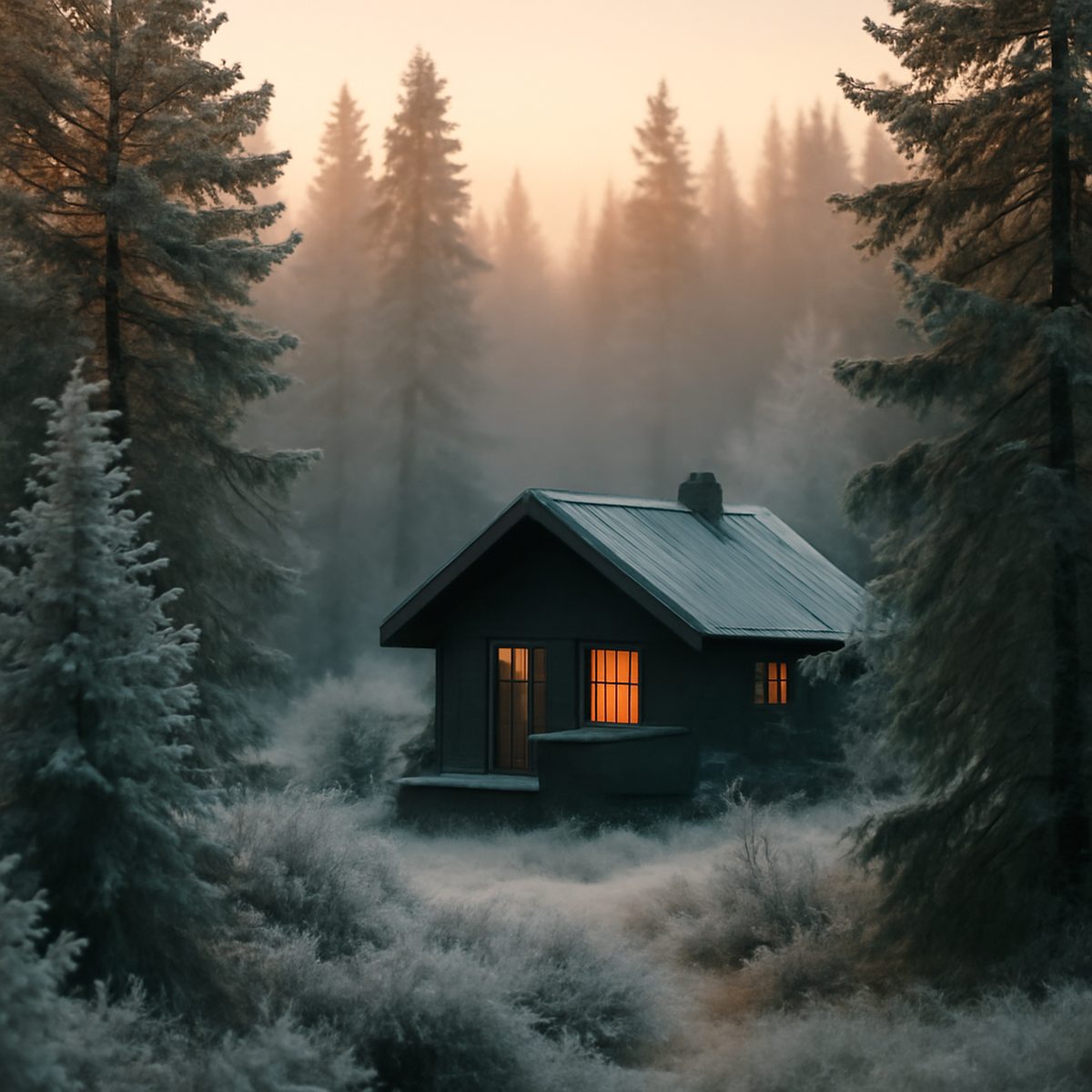
There is a particular hour, somewhere between five and seven in the morning, when frost has finished its work and the sun has not yet begun to undo it. Branches carry a fine white rime, the ground rings underfoot, and a landscape that was ordinary the evening before becomes, briefly, something else entirely. It is this hour that the more patient traveller chases across Asia’s colder reaches — not for the drama of a blizzard, but for the quiet precision of a world rendered in frost.
Unlike snow, which arrives with weight and announcement, frost is a landscape’s finishing touch. It settles onto reed beds, onto the eaves of a farmhouse, onto the surface of a still pond, and it asks very little of the traveller except that they be awake early enough to see it before it melts. The places that do frost best tend to share a few qualities: a cold, dry climate, a lack of wind to disturb the crystals, and — ideally — a body of water nearby to hold the mist that frost so often arrives with.
Northern Japan’s quiet mornings
Japan’s northern reaches remain the most reliable staging ground for this kind of travel. In the mountains beyond the ski towns, valleys hold their frost late into the morning, and a short walk before breakfast is often reward enough — a paddy field rimmed in white, a shrine gate dusted like confectioner’s sugar. For those chasing the more theatrical version of this phenomenon, the frost-covered “ice trees” of certain high plateaux, where supercooled fog freezes directly onto conifer branches, are worth the early lift ride and the extra layer.
Travellers building a longer itinerary around this kind of stillness would do well to read our notes on the best winter escapes in Tohoku, where frost, onsen steam and quiet inns tend to arrive together, or to consult our broader survey of the best places for snow in Japan for context on where the season is most dependable.
The frozen lake country
Further north still, frozen lakes offer a different register of cold beauty. A lake that has frozen slowly and cleanly, without wind to roughen its surface, produces a plain of black ice threaded with white cracks — a landscape that looks, from a distance, almost like marbled stone. Locals skate across it; visitors are better advised to walk, slowly, in good boots, and to book a lodge with a fire and an early check-in. Ice fishing huts dot these lakes in season, small huts of canvas and wood where a thermos of something warm is the only real luxury required.
Volcanic frost and steam
One of the more unlikely pairings in cold-weather travel is frost alongside active geothermal ground — a landscape where steam rises from fissures in earth that is otherwise white with rime. It is an eerie, faintly sulphurous kind of beauty, and it rewards travellers willing to walk a marked trail rather than simply photograph a crater rim from a car park. Several volcanic ranges across northern Asia offer this combination, usually paired with a hot spring town nearby where the traveller can thaw out properly. For a sense of how such regions structure a broader trip, our guide to the best winter festivals in Asia is a useful companion, since many of these festivals are timed precisely to coincide with the season’s hardest frosts.
What to pack, briefly
- Layers that trap warmth without bulk — merino base layers do more work than a heavy coat alone.
- A tripod, if photography matters to you; frost landscapes are almost always best photographed in low, still light.
- Waterproof boots with real tread; frosted ground can be more slippery than snow.
Reading a frost landscape properly
The best frost travel is unhurried by design. It asks the traveller to rise before the rest of the hotel, to walk without a fixed destination, and to accept that the landscape will have changed entirely by the time everyone else is at breakfast. There is a discipline to this kind of looking — you cannot rush a frost, and you cannot really plan around it with certainty, since a warmer night or an unexpected wind can undo the whole effect. This unpredictability is, in a way, the point. It is a landscape that refuses to perform on schedule, which makes the mornings it does perform feel genuinely earned.
Choosing a base for frost-watching
Where you sleep matters more for this kind of travel than for almost any other. A hotel or inn positioned within walking distance of open ground — a paddy field, a lakeshore, a forest edge — gives you the flexibility to step outside the moment conditions look right, rather than losing the light to a twenty-minute drive. Properties built with this in mind tend to keep a kettle going before dawn as a matter of course, and staff who have watched enough mornings come and go to give an honest read on whether the frost will hold or burn off within the hour. It is worth asking, at check-in, whether anyone on site actually tracks these conditions; the better inns do, informally, the way a fisherman reads tide tables.
Timing a trip around this kind of unpredictability also means building slack into the itinerary itself. A single night rarely gives frost enough chances to perform — two or three mornings in the same location improves the odds considerably, since even a reliably cold region can lose a night to cloud cover or wind. Travellers who treat this as a single bucket-list morning, rather than a standing appointment kept over several days, tend to come away disappointed at least as often as they come away satisfied. Patience, once again, does most of the real work here.
“We stopped trying to photograph it and just stood there,” one guide in the northern highlands told us of a particularly still morning. “By the time we had the camera out, the sun had already started to take it apart.”
What frost travel offers, ultimately, is a way of seeing a familiar landscape — a paddy field, a lakeshore, a forest path — as though for the first time. It costs nothing beyond an early alarm and a willingness to be cold for an hour before the world warms up around you. Those who plan a wider circuit of Asia’s colder seasons might also look at our notes on Travel & Stays for further ideas on where stillness, rather than spectacle, is the real draw.
Marcus writes on travel and hospitality across Asia, and is happiest a long way from a lobby.