The Best Orange-Wine Lists in Singapore
Orange wine has moved from novelty to genuine category in Singapore. Here is what skin contact actually means, and where the city drinks it well.
 By Renée Tan
30 August 2026 · 6 min read
By Renée Tan
30 August 2026 · 6 min read

Orange wine occupies a strange position on many Singapore wine lists, still treated by some as a novelty and by others as an entirely serious category worth its own dedicated section. Made from white grapes fermented with their skins left in contact with the juice, much like a red wine, orange wine takes on a deeper colour, firmer tannin structure, and a texture unlike almost anything else on a conventional list. The best examples are neither a gimmick nor an acquired taste requiring apology, but a genuinely distinct style worth understanding on its own terms.
What skin contact actually does
Conventional white winemaking removes grape skins almost immediately after pressing, leaving only clear juice to ferment. Orange wine reverses this, leaving skins, and sometimes stems, in contact with the juice for anywhere from several days to several months. This extended contact extracts tannin, colour compounds, and additional texture from the skins, producing a wine with a grip and structure closer to a light red than a typical white. The resulting wines range in hue from pale amber to deep burnt orange, depending on grape variety and contact time, and can taste of dried apricot, bruised apple, or a faintly nutty, oxidative note that some drinkers find challenging on first encounter and others find immediately compelling.
Because the technique predates modern winemaking by thousands of years, with roots in ancient Georgian qvevri production, orange wine is sometimes framed as a revival rather than an invention, a return to methods that industrial winemaking largely abandoned during the twentieth century in favour of cleaner, more predictable white wines.
Reading a list for serious intent
A wine list that treats orange wine seriously usually signals its intent through variety and specificity, naming producers, regions, and skin-contact duration rather than lumping every amber-hued bottle under a single vague “orange” heading. Restaurants genuinely committed to the category also tend to staff sommeliers or floor managers capable of explaining the wine’s production and food pairing logic without resorting to vague gestures at its unusual colour. Singapore’s better wine bars increasingly fall into this camp, treating orange wine as a legitimate pairing tool for the city’s spice-heavy, umami-rich cuisine rather than a curiosity confined to natural wine specialists alone.
What pairs well with orange wine
- Fermented and pickled dishes, whose tang mirrors the wine’s own oxidative, savoury character
- Roasted or charred vegetables, which stand up well to the wine’s tannic grip
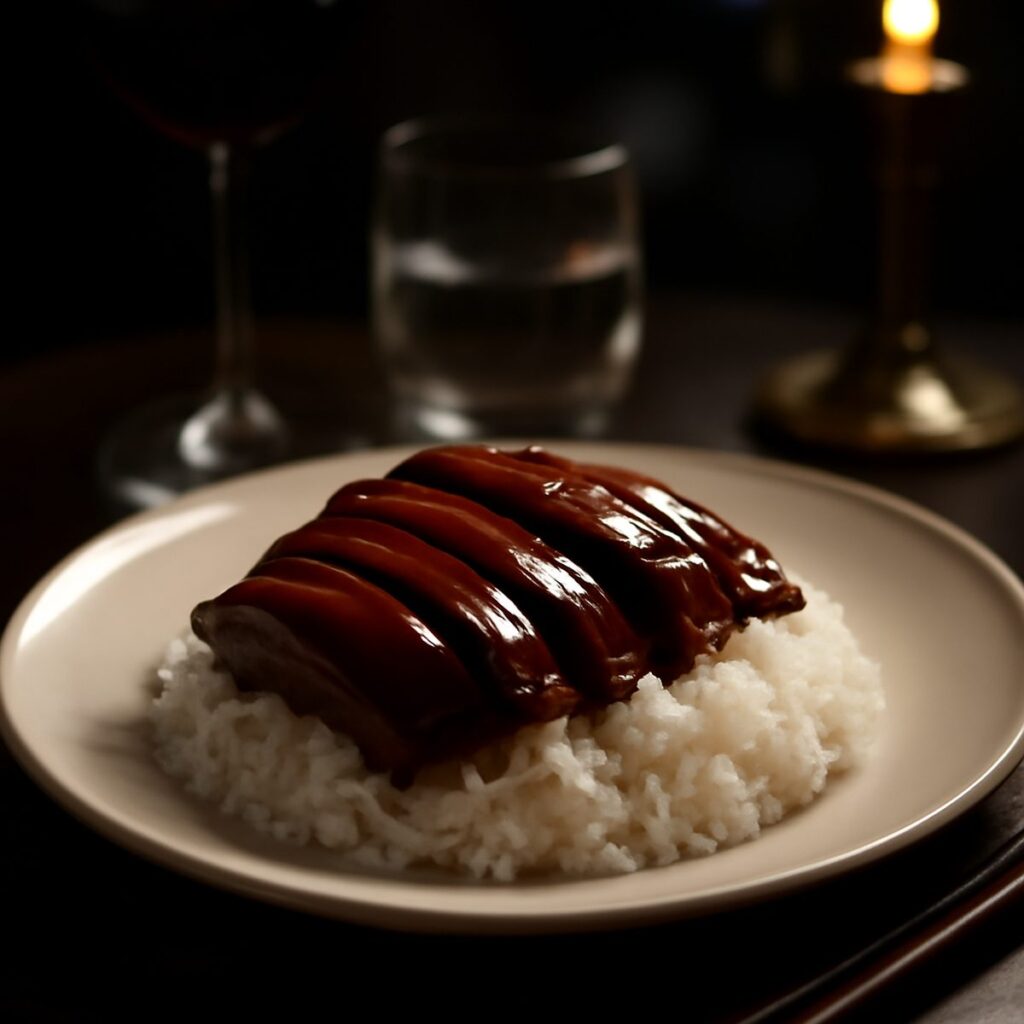
- Rich, fatty proteins such as duck or pork belly, cut nicely by the wine’s structure and acidity
How orange wine fits within the natural wine movement
Orange wine sits closely alongside the broader category of natural and biodynamic wine, sharing much of the same minimal-intervention philosophy even though the two are not strictly synonymous; a wine can be orange without being certified natural, and vice versa. What unites both categories on Singapore’s better lists is a growing willingness among sommeliers to move beyond conventional grape-and-region thinking towards production philosophy as the organising principle of a list, a shift that has reshaped how the city’s more serious wine lists are structured more broadly.
“Orange wine used to be the thing you ordered to prove a point,” one Singapore sommelier told us. “Now it’s just the thing you order because it’s the best pairing on the table.”
Where to find serious lists
The city’s dedicated wine bars built for a quiet glass remain the most reliable starting point for exploring orange wine seriously, since their smaller, curated lists tend to reflect a genuine point of view rather than a broad, crowd-pleasing selection. A newer crop of independent, neighbourhood-scale operations, closer in spirit to the model described in our piece on the rise of the neighbourhood wine shop, has also been instrumental in bringing smaller-production orange wines into the city, often through direct relationships with growers rather than large distributors. For a broader survey of the city’s drinking scene, our Dining & Drinks section carries further coverage of where Singapore’s wine culture is heading.
Grape varieties worth knowing
While orange wine can technically be made from any white grape, certain varieties have become particularly associated with the style due to their skin’s tannin and aromatic potential. Ribolla Gialla, from Friuli in northern Italy, is among the most widely available on Singapore lists, prized for its structured tannin and dried-citrus character after extended contact. Rkatsiteli, the traditional Georgian variety most closely tied to the qvevri tradition, offers a more savoury, mineral profile, while Pinot Grigio, more commonly seen as a light, neutral white, takes on a completely different, coppery-hued personality when given proper skin contact. Learning to recognise how a single grape variety behaves differently under conventional versus skin-contact winemaking is one of the more illuminating exercises for a curious drinker working through Singapore’s better lists.
Contact duration also shapes the finished wine considerably. A few days of skin contact produces a lightly textured white with only a faint blush of colour and minimal tannin, closer in spirit to a conventional white than a true orange wine. Extended contact of several weeks or months produces the deeper, more tannic, more distinctly amber wines most associated with the category, wines that can sometimes taste closer to a light red than anything resembling a traditional white, and which reward a slight chill rather than full white-wine cold to show their full range of aroma.
Serving temperature is a genuinely underappreciated detail here. Many restaurants default to pouring orange wine at standard white-wine temperature, which can mute its aromatics and exaggerate its tannin in an unflattering way. A slightly warmer pour, closer to a light red, tends to open the wine up considerably, revealing fruit and savoury notes that a too-cold glass simply keeps locked away. Asking a sommelier to pour a touch warmer than usual is a small request that can meaningfully change how a bottle presents itself over the course of a meal.
Final word
Orange wine rewards drinkers willing to set aside expectations built around conventional whites, offering instead a category with genuine structure, complexity, and food-pairing versatility. Seek out lists that treat it with specificity rather than novelty, and it becomes clear the category has earned its place on Singapore’s better tables, not as a curiosity but as a serious style in its own right, worth exploring on its own terms rather than through the lens of more familiar wines.
Renée has covered Singapore's restaurants for over a decade, with a soft spot for the kitchens most people walk past.