The Best Mexican Restaurants
Mexican food in Singapore used to mean frozen margaritas and bottled salsa by the pool. That has changed. Here is where the city takes the cuisine seriously.
 By Renée Tan
30 August 2026 · 6 min read
By Renée Tan
30 August 2026 · 6 min read

For a long time, Mexican food in Singapore meant one of two things: a resort poolside serving frozen margaritas and nachos under a sunset-coloured umbrella, or a Tex-Mex chain leaning hard on melted cheese and bottled salsa. Neither told you anything true about Mexico’s cooking, which is one of the world’s great cuisines — layered, regional, built on techniques as old as nixtamalisation and as precise as French pastry. Something has shifted in the past few years. A small but serious wave of kitchens has arrived, staffed by cooks who trained properly, sourcing corn that’s actually nixtamalised rather than bought pre-ground, and building menus around region rather than cliché.
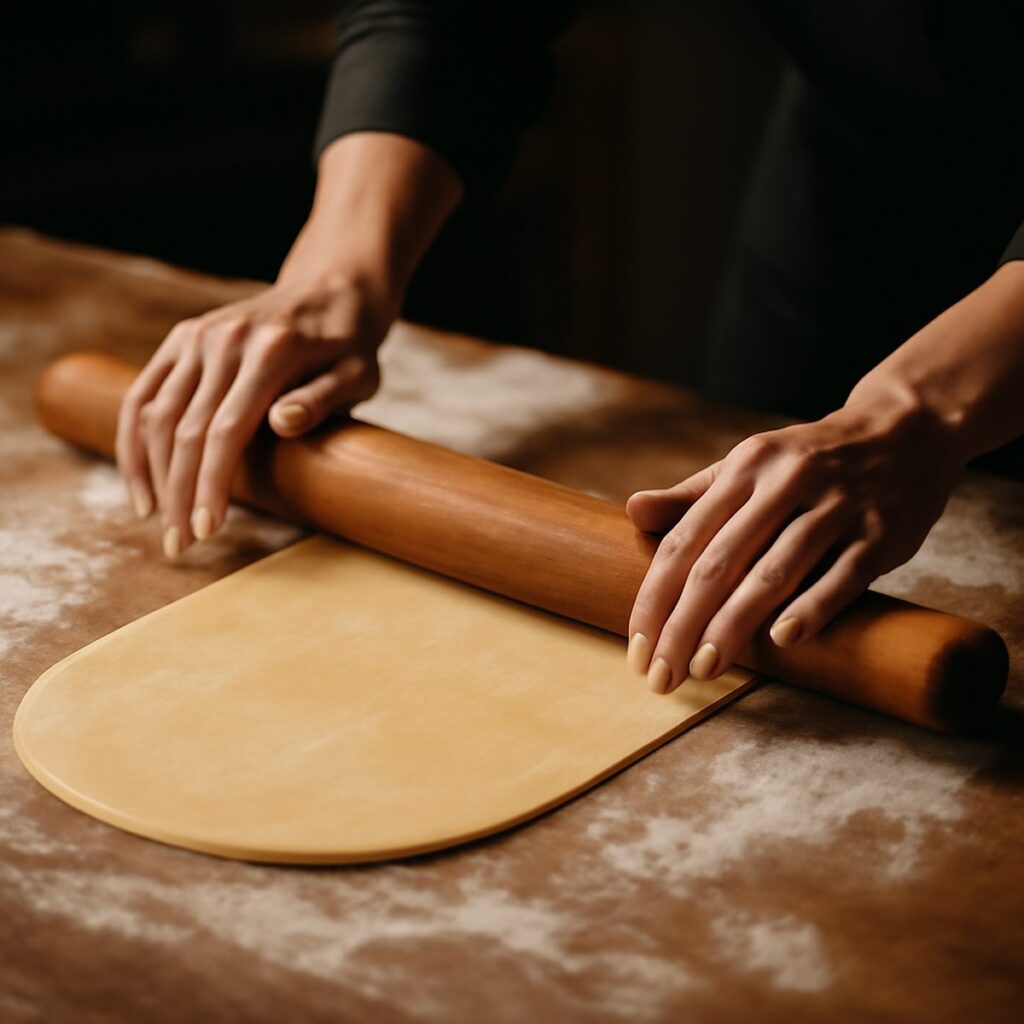
The difference shows up first in the tortilla, which sounds like a small thing until you’ve eaten one made from scratch, still warm, with a faint mineral sweetness that pre-packaged versions simply don’t carry. Corn treated properly — soaked in an alkaline solution, ground on a stone mill, pressed to order — behaves differently in the mouth. It’s more elastic, more fragrant, and it holds a filling without collapsing into paste. Kitchens that skip this step are, in a real sense, skipping the foundation of the entire cuisine.
What Separates the Real Thing From the Rest
Mole is the clearest litmus test. A proper mole — and there are dozens of regional variations, not one master recipe — takes days, sometimes a week, layering dried chillies, spices, nuts, seeds, and often a whisper of chocolate into a sauce with genuine depth rather than mere heat. Kitchens serving a shortcut version, thin and one-note, are usually cutting corners elsewhere too. The better addresses in Singapore now treat mole as a genuine specialty, sometimes offering two or three regional styles on rotation, and it’s worth asking what’s currently on the pass rather than defaulting to whatever’s printed on the laminated menu.
Beyond the Taco
Tacos deserve their reputation, but a kitchen’s real ambition tends to show in what surrounds them — a proper birria, slow-braised until the meat shreds under its own weight; tlayudas, the enormous crisp tortillas piled with beans, cheese, and meat that function as Oaxaca’s answer to pizza; or a well-handled ceviche, where citrus does the cooking and the fish needs to be genuinely fresh to survive the treatment. A kitchen confident enough to put these dishes on the menu, rather than sticking to crowd-pleasing tacos alone, is usually a kitchen worth trusting further.
The Mezcal Question
No serious Mexican restaurant in this city can get away with a thin spirits list any more. Mezcal — smokier, more varied, and more terroir-driven than tequila — has developed a genuine following among Singapore drinkers over the past few years, and the better kitchens now carry a proper flight of small-batch bottles rather than a single house pour. If you’ve never tried it, ask your server to talk you through two or three side by side; the difference between an espadín and a wild-harvested tobalá can be as dramatic as comparing a young whisky to a twenty-year single malt. Anyone building a home bar with genuine range would do well to read our guide on the return of the classic cocktail bar, which covers the renewed interest in spirit-forward drinking that’s carried mezcal along with it.
A chef who trained in Oaxaca before opening in Singapore told me the whole cuisine comes down to patience: “People think Mexican food is fast food. It’s the opposite — the fast stuff is the exception, not the rule.”
Corn Versus Flour, and Why the Choice Matters
Regional Mexican cooking leans heavily on corn tortillas, while flour tortillas are more closely associated with the country’s north and, by extension, with Tex-Mex cooking abroad. A kitchen serving flour tortillas by default for everything is usually signalling a more Americanised approach rather than a regionally accurate one, which isn’t necessarily a flaw, but is worth knowing before you order if you’re specifically chasing an authentic experience. Ask which is used for a given dish if the menu doesn’t specify — a confident kitchen will know exactly why it made that choice.
Reading the Chilli Heat Correctly
One persistent misconception is that Mexican food is defined by heat. It isn’t — chillies are used for flavour and complexity as much as spice, and a well-balanced dish should never rely on capsaicin alone to make an impression. That said, Singapore’s growing comfort with genuine heat, visible across its wider dining scene in dishes covered in our field guide to Southeast Asian spice, has made local diners more receptive to Mexican food’s real character than they might once have been. Ask your server to rate a dish’s heat honestly rather than assuming — Singaporean palates, seasoned on sambal and chilli padi, often handle it better than they expect.
Salsas as a Genuine Craft
A kitchen’s salsa programme is one of the more reliable indicators of its seriousness, and it deserves more attention than diners typically give it. A great salsa roja or salsa verde is built from freshly charred or roasted ingredients — tomatoes, tomatillos, chillies blistered over direct flame — rather than blended cold from raw components, and the difference in depth is immediate and obvious once you know to look for it. Kitchens that make several distinct salsas in-house daily, rather than relying on a single bottled default, are almost always the same kitchens getting everything else right too.
What to Order on a First Visit
- A simple tortilla tasting, if offered, to understand the corn before anything else.
- One regional mole, whichever the kitchen is proudest of that week.
- A ceviche or aguachile to test how the kitchen handles raw fish and citrus.
- A mezcal flight rather than a single pour, to understand the spirit’s range.
Singapore’s appetite for serious regional cuisines beyond its own borders has grown considerably, and Mexican food’s arrival sits alongside a broader wave — our review of the best Vietnamese restaurants covers a parallel story of a cuisine finally being served with the nuance it deserves, rather than flattened for convenience. Both scenes share a common thread: kitchens run by people who actually trained in the tradition, rather than approximating it from a distance.
A Cuisine Worth Taking Seriously
What’s genuinely encouraging about this new wave is the confidence behind it — these are not menus apologising for their own authenticity, softening flavours for a perceived local palate. They are cooking Mexican food the way it’s cooked in Mexico, and trusting Singapore’s diners to meet it there. For the rest of the city’s evolving restaurant landscape, our Dining & Drinks section tracks where else that same confidence is showing up. Mexican food in Singapore has, at last, stopped apologising for itself — and the city is considerably better fed for it.
Renée has covered Singapore's restaurants for over a decade, with a soft spot for the kitchens most people walk past.