The Best Lakeside Retreats in Asia
Asia's finest lakeside retreats trade the ocean's drama for something quieter: still water, folded hills, and a horizon that never quite moves.
 By Marcus Lim
30 August 2026 · 6 min read
By Marcus Lim
30 August 2026 · 6 min read

The sea gets most of the attention in Asian travel writing, and understandably so, but the continent’s great lakes have always offered something the coastline cannot: stillness. A lake does not have tides or swell; it simply holds a landscape’s reflection until the wind disturbs it. The retreats built around them tend to absorb this quality, running at a noticeably slower register than their coastal cousins, and the best of them have quietly become some of the most rewarding stays in the region.
The Highland Lakes
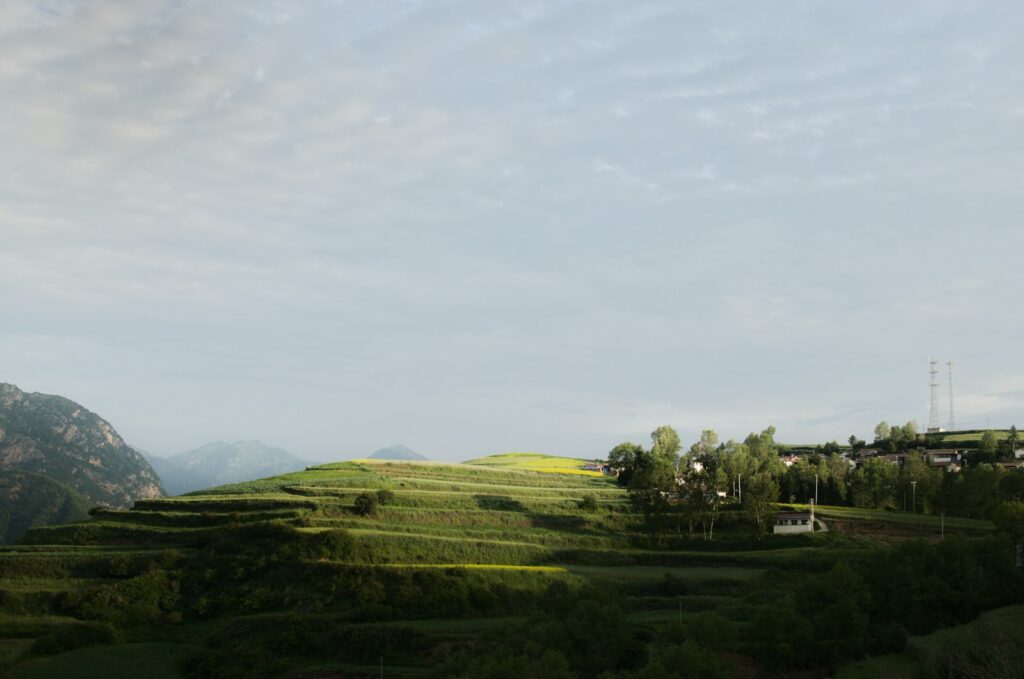
At elevation, a lake changes character entirely. The air thins, the light turns a particular pewter colour in the early morning, and the water itself often carries a faint mineral chill that makes a wood-fired bath afterwards feel earned rather than indulgent. A well-sited highland lodge will orient every room towards the water rather than the driveway, and the better ones borrow architectural cues from the region’s vernacular — deep eaves, timber joinery, a fireplace that is used rather than decorative. These are properties that reward a longer stay; three nights is the minimum for the pace to actually take hold, and it pairs naturally with a stop at one of the region’s best mountain retreats for travellers building a longer highland loop.
Crater and Volcanic Lakes
A different mood altogether belongs to the volcanic crater lakes scattered through Indonesia and the Philippines, where the water sits an improbable turquoise inside a collapsed cone and the surrounding land is often startlingly fertile. Retreats here tend to be smaller and more design-led, built by owners who fell for the setting first and worked backwards. Expect infinity-edge pools that trick the eye into thinking they merge with the lake below, breakfast served on a terrace with genuinely nothing between you and the water, and a house policy of near-total quiet after dark that guests, somewhat to their own surprise, come to appreciate rather than resent.
These properties sit comfortably alongside the region’s best heritage hotels for anyone assembling a trip that mixes old architecture with new landscape, and they reward the same patient, unhurried attitude that governs the finest quiet island design hotels further afield.
What separates a good lakeside stay from a great one
- Rooms oriented for the view rather than the road — check the floor plan before you book, not after you arrive.
- A jetty or private dock, even a modest one, for early swims before the day boats arrive.
- Local, lake-adjacent produce on the menu rather than an imported, generic fine-dining script.
- A genuine absence of motorised watercraft noise, at least during the hours you actually care about.
The Ritual of a Lakeside Morning
What distinguishes a lakeside stay from almost any other kind of luxury travel is the morning. Mist tends to sit on still water in a way it never quite does on the sea, burning off slowly as the sun climbs, and the better properties understand this well enough to schedule breakfast, or at least coffee, around it. A composite general manager we have stayed with more than once put it simply: “We do not open the dining terrace until the mist has mostly lifted. Guests think it is charming. It is actually just good sense — nobody wants their eggs going cold while they take photographs.”
Activity, where it exists, tends to be gentle by design: a canoe rather than a jet ski, a slow circumnavigation by bicycle rather than a speedboat tour, fishing conducted more as meditation than sport. The absence of surf and current also makes these retreats a genuinely good match for families who want water without the anxiety a beach can bring with small children, and several pair naturally with a broader look at Black Cow’s travel coverage for readers planning a longer regional itinerary.
The Case for Slow Water Over Salt Water
Part of the appeal, frankly, is relief from the sea’s demands. A beach holiday comes with its own low hum of logistics — tide tables, sun exposure, the faint anxiety of current — that a lake simply does not impose. Swimming is calmer, sailing is gentler, and a canoe left unattended at a jetty overnight will be exactly where it was left come morning. This makes lakeside retreats a particularly good match for travellers who want water in their holiday without water dictating its shape, and it explains why so many families gravitate towards them once children are old enough to be in the water unsupervised for short stretches but young enough that open ocean still feels like a risk.
The food culture around these lakes tends to follow the same unhurried logic. Freshwater fish, foraged greens from the surrounding hills, and produce grown on terraces that slope directly down to the shoreline all make their way onto menus that rarely bother with imported ingredients, because there is rarely a need to. A number of the region’s finer lakeside kitchens have quietly become destinations in their own right, worth the drive even for guests staying elsewhere.
Booking It Well
Timing matters more at a lake than almost anywhere else. Water levels shift meaningfully between wet and dry seasons, occasionally enough to change the view from a room entirely, and it is worth asking a property directly rather than trusting a photograph taken at a more flattering time of year. The finest lakeside retreats also tend to run small — a dozen keys, sometimes fewer — which means they book out for weekends and festival periods well in advance. Anyone building a broader highland or countryside itinerary may also want to weigh a lakeside stay against the region’s best tea country retreats, since the two categories share a similar altitude, climate and pace, and pair unusually well back to back.
What all of these places share, ultimately, is a kind of confidence that stillness is enough of a draw on its own. There is no need for the theatrics that a beach resort sometimes reaches for, no infinity pool trying to out-blue the ocean beside it. The lake simply sits there, unhurried, and the best retreats have learned not to compete with it.
Marcus writes on travel and hospitality across Asia, and is happiest a long way from a lobby.