The Best Chablis and Cool-Climate Chardonnay
Chablis makes the strongest case against chardonnay's heavy, buttery reputation. Here's what makes cool-climate examples genuinely worth seeking out.
 By Renée Tan
31 August 2026 · 6 min read

Chardonnay has an image problem it never quite deserved. Decades of over-oaked, butter-bomb versions from warmer regions gave the grape a reputation for heaviness that obscures what it’s actually capable of in the right hands and the right climate. Chablis, sitting at the northern edge of Burgundy where the growing season is short and the chalky Kimmeridgian soil runs close to the surface, makes perhaps the strongest possible counter-argument: chardonnay at its leanest, most mineral, and most precise.
What makes Chablis genuinely distinct
Unlike much of the rest of Burgundy, Chablis rarely sees significant new oak. The wines are typically fermented and aged in stainless steel or older, neutral barrels, which means nothing masks the fruit or the soil beneath it. What comes through instead is a bracing acidity, notes of green apple and citrus pith, and a distinctive flinty, almost saline minerality that locals describe as “goût de pierre à fusil” — the taste of gunflint. It’s an acquired preference for some, but for those who love it, no other white wine quite replicates the sensation.
The region’s premier cru and grand cru vineyards, concentrated on a small band of south-facing slopes, produce wines with more depth and ageing potential than village-level Chablis, though even entry-level bottlings from a good producer carry that same mineral spine. Vintage variation matters enormously here, given how far north and marginal the climate is for ripening chardonnay reliably — a warm year produces riper, rounder wines, while a cooler one leans even more austere and cutting.
Beyond Chablis: the wider cool-climate chardonnay world
- Chablis (France): the benchmark for lean, unoaked, mineral-driven chardonnay.
- Tasmania (Australia): a genuinely cool Australian outpost producing chardonnay with real acidity and restraint, a world away from the country’s warmer-climate reputation.
- Sonoma Coast (California): fog-cooled vineyards close to the Pacific yield chardonnay with more tension than the state’s warmer inland regions typically manage.
- Margaret River (Australia): maritime-influenced and increasingly restrained in style, moving away from the heavier oak treatments of decades past.
What unites all of these regions is climate, not geography — cooler growing conditions slow ripening and preserve the grape’s natural acidity, which is ultimately what separates a chardonnay built for structure and ageing from one built purely for immediate, fruit-forward drinking.
Serving and pairing
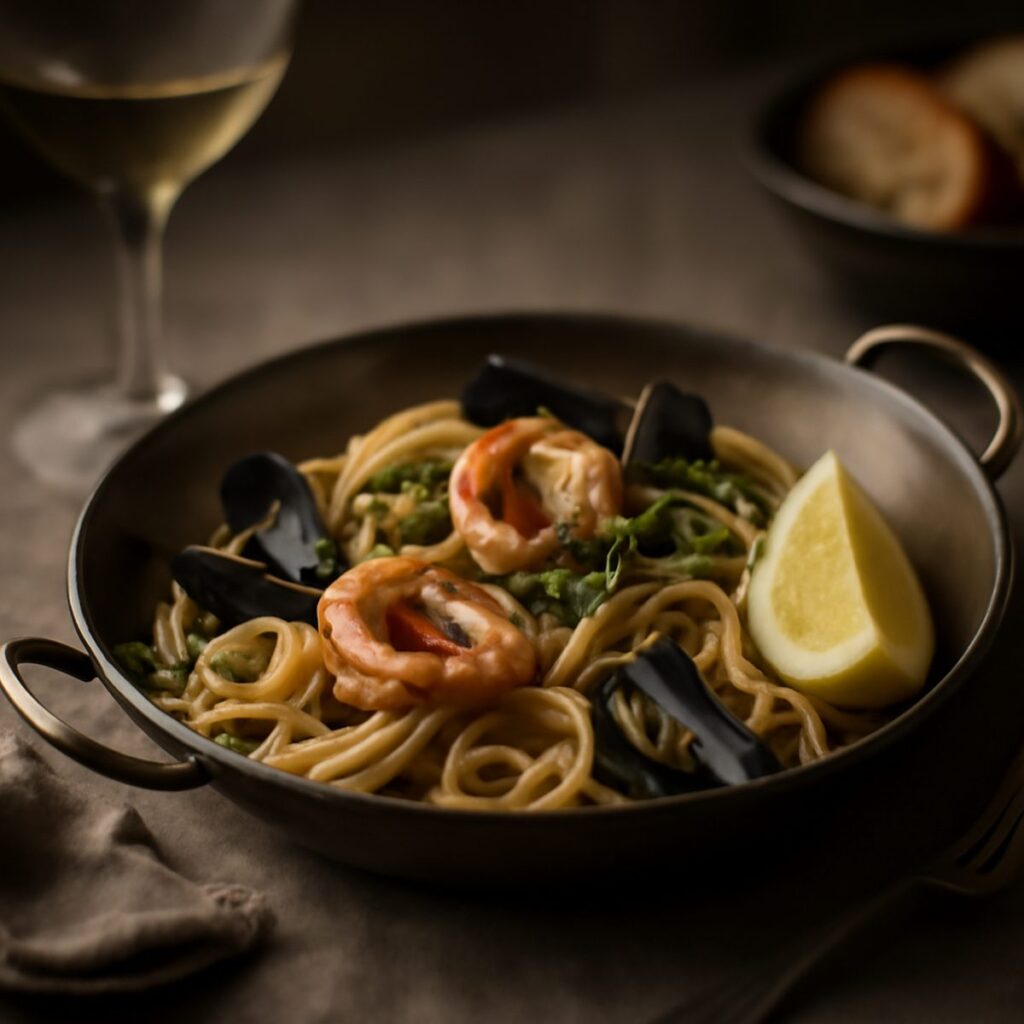
Cool-climate chardonnay, and Chablis especially, rewards a slightly cooler serving temperature than many white wine drinkers default to — closer to 10-12°C than the warmer range often recommended for fuller-bodied whites. Its natural affinity with oysters and other raw seafood is well established for good reason: the wine’s acidity and salinity mirror and amplify the brininess of the food rather than competing with it. It also pairs beautifully with richer preparations — a properly made beurre blanc, or a simply grilled white fish with nothing more than lemon and herbs.
“People are always surprised by how much tension a good Chablis has,” said a sommelier who has built wine programmes around cool-climate whites. “It’s the opposite of what they expect from chardonnay.”
For those building a cellar with an eye toward variety rather than simply chasing the most fashionable regions, cool-climate chardonnay offers real value relative to its quality, particularly outside the most sought-after grand cru Chablis producers, where prices remain comparatively reasonable next to equivalent quality from red Burgundy.
Where to find it, and what to buy alongside it
A serious wine list or merchant will usually carry at least a handful of well-chosen Chablis producers across different price points, alongside a smaller selection of cool-climate examples from further afield. If you’re assembling a broader cellar, it’s worth reading this alongside our guides to merchants specialising in Burgundy and Barolo and Bordeaux and the Left Bank, both of which cover adjacent, equally serious corners of the wine world worth exploring in parallel.
For guidance on navigating a list once you’re at the table, our profile of the sommeliers shaping the city’s wine lists offers useful context on who’s championing these more restrained, mineral-driven styles locally, and the city’s best merchants for fine wine is the natural next stop for anyone ready to start building a collection around this style rather than simply drinking it by the glass when the opportunity arises.
Ageing potential and when to drink it
One of the more common mistakes with Chablis, and cool-climate chardonnay generally, is drinking it too young out of habit — treating it the way one might treat a generic, inexpensive white wine meant for immediate consumption. Premier cru and grand cru Chablis in particular can benefit from five to ten years in bottle, sometimes considerably longer for the very best vintages, developing a honeyed, nutty complexity that sits alongside, rather than replacing, the wine’s youthful mineral edge. Village-level bottlings are more forgiving and drink well younger, but even these often improve with two or three years of patience rather than being opened the week they’re bought.
Storage matters more for these wines than many drinkers assume, given how much of their appeal rests on precision and freshness — a bottle stored somewhere too warm, even briefly, can lose some of the tension that defines the style. For anyone serious about building a collection around cool-climate whites, proper temperature-controlled storage is worth the investment, and it’s an area where consulting with a dedicated fine wine merchant, rather than buying opportunistically, tends to pay off over the years as a collection matures into something genuinely worth the wait.
Buying with confidence
For newcomers to the category, the smartest approach is usually to buy across a small spread of producers and vintages rather than committing heavily to a single one, since house style varies more than novice drinkers expect — some producers favour a leaner, more austere expression, others lean into slightly riper fruit even within the region’s generally restrained framework. Tasting a handful side by side, ideally with guidance from a merchant or sommelier who can talk through the differences, does more to develop a genuine palate for the category than reading about it ever could.
It’s also worth resisting the temptation to judge cool-climate chardonnay by the standards applied to warmer-climate versions of the grape. These are not meant to be broad, immediately generous wines; their pleasures are more precise, built around tension, acidity, and a certain restraint that rewards attention rather than demanding it. Approached on those terms, a good bottle of Chablis or its cool-climate cousins offers one of the more quietly compelling arguments in the white wine world for why climate, more than grape variety alone, so often determines what ends up in the glass — a lesson well worth carrying into the rest of the island’s dining and drinks scene.
Renée has covered Singapore's restaurants for over a decade, with a soft spot for the kitchens most people walk past.