The Best Catalan and Barcelona-Style Dining
Catalan cooking runs on patient sauces, not hero ingredients. Here's what to look for at a proper Barcelona-style table, dish by dish, sauce by sauce.
 By Renée Tan
31 August 2026 · 6 min read
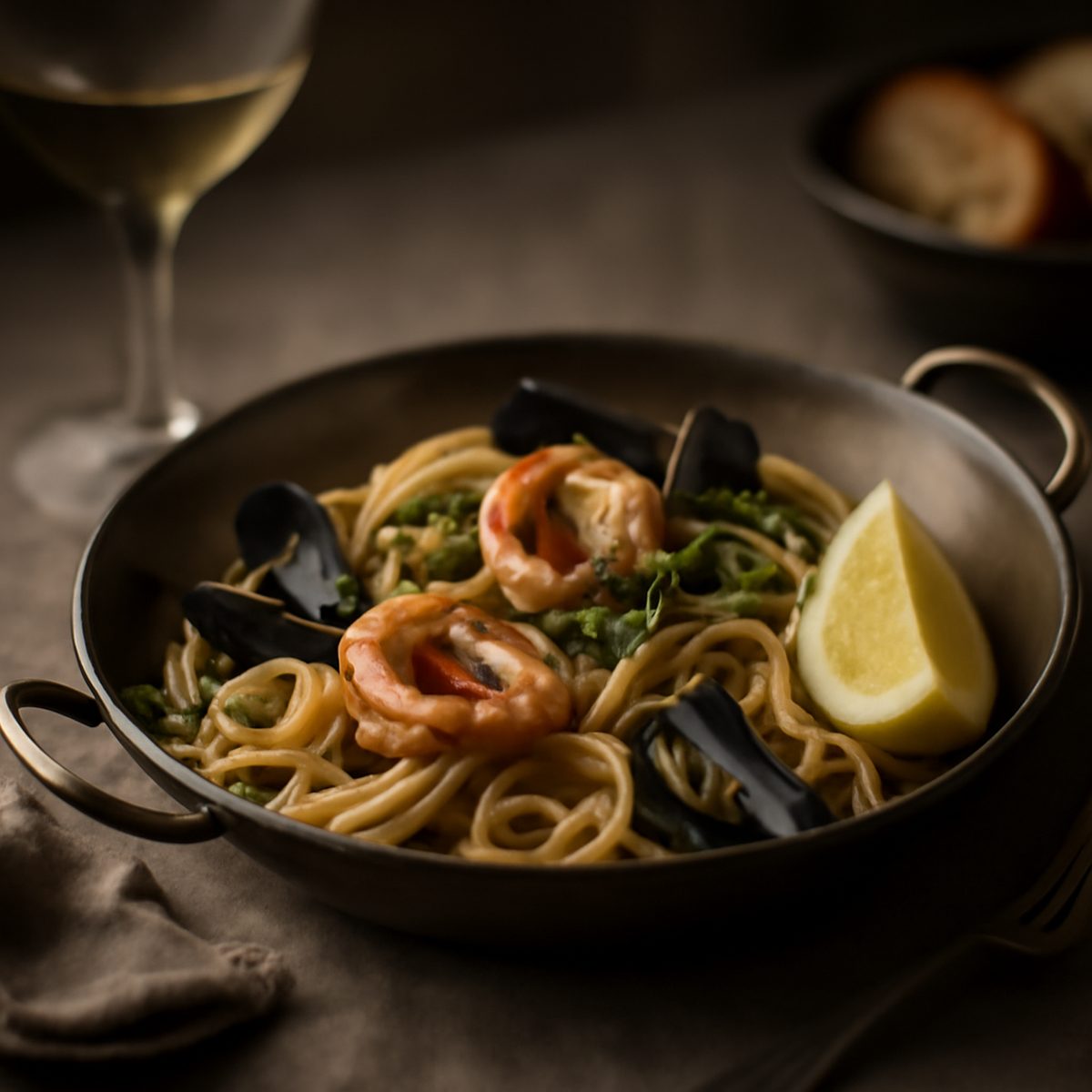
Catalan cooking has always sat slightly apart from the rest of the Spanish culinary conversation — less reliant on the sherry-soaked traditions of the south, less austere than the Basque country’s obsession with a handful of perfect ingredients, and shaped instead by a coastline that gives equally to the sea and the mountains behind it. A good Catalan table moves fluidly between the two: salt cod one moment, wild mushrooms and game the next, bound together by a handful of foundational sauces that show up again and again in different guises.
The sauces that define the cuisine
If there’s a single thread that runs through Catalan cooking, it’s the family of sauces built on slow-cooked alliums, nuts, and tomato. Sofregit — onions and tomato cooked down for a very long time until they collapse into something dark and concentrated — forms the base of countless dishes. Picada, a paste of toasted nuts, garlic, and sometimes bread or saffron, gets stirred in near the end of cooking to thicken a stew and add a final layer of texture and depth. Romesco, built from roasted red peppers, almonds, and vinegar, does double duty as both a sauce for grilled vegetables and fish and a dip in its own right.
A kitchen that has these fundamentals down is usually a kitchen worth trusting with the rest of the menu, because they take real time and cannot be faked with shortcuts. Sofregit in particular is often rushed by lesser kitchens — a properly made batch can take the better part of an hour of patient, low, near-motionless cooking, and the difference between a rushed ten-minute version and the real thing is audible in how a dish tastes once it’s plated.
Dishes to look for
- Fideuà: a noodle-based cousin of paella, often built on a seafood stock, with the noodles toasted before liquid is added for extra depth.
- Esqueixada: a salt cod salad, torn rather than cut, dressed simply with olive oil, tomato, and onion.
- Calçots: charred spring onions, traditionally dipped in a romesco-adjacent sauce and eaten with your hands during the right season.
- Crema catalana: the region’s answer to crème brûlée, with a citrus and cinnamon-scented custard beneath the caramelised sugar shell.
An intimate room drawing on this tradition — the kind of place that treats sofregit as a daily ritual rather than an afterthought — tends to reveal itself in small details: bread served with genuinely good olive oil rather than butter, a wine list weighted toward Catalan and Spanish producers rather than the usual international suspects, and a kitchen willing to serve dishes slightly rustic rather than over-plated.
Reading the room, and the wine list
A serious Catalan or Barcelona-style table will usually carry cava rather than treating it as an afterthought bubble option, and often a handful of Priorat or Montsant reds — dense, mineral wines from vineyards planted on the region’s distinctive slate soils. If a restaurant’s wine list leans entirely toward Rioja and nothing from Catalonia itself, that’s a small but telling sign the kitchen’s regional focus may be more marketing than substance.
“Catalan food isn’t about one hero ingredient,” said a chef who trained in Barcelona before relocating to Southeast Asia. “It’s about the sauces underneath everything else. Get those right and the rest follows.”
The best rooms working in this idiom tend to source their seafood with real care, given how central it is to dishes like fideuà and esqueixada, and they’re usually happy to talk through where a particular catch came from if you ask. That willingness to engage, rather than a scripted, generic answer, is often a decent proxy for the kitchen’s overall seriousness.
How it compares to its neighbours
Catalan cooking is often discussed alongside the rest of Spain’s regional traditions, but it rewards being understood on its own terms rather than lumped in wholesale. For contrast, it’s worth comparing a Catalan table against the more austere, ingredient-led approach found in the country’s Basque and northern Spanish dining rooms, or the sherry-forward, fried-food traditions of Andalusian and southern Spanish cooking. Closer to home, the shared plate format of the city’s small plates and tapas spots offers an easier entry point for diners who want a lighter introduction before committing to a full Catalan tasting menu.
What makes the cuisine worth seeking out in this part of the world is precisely its refusal to be simplified into a single dish or gesture the way paella has come to represent “Spanish food” generically. A good Catalan table asks for a slower kind of attention — the sauces built over hours, the seasonal calçots eaten only when they’re right, the crema catalana that should never, ever be confused with its French cousin. It’s a cuisine of quiet, accumulated technique, best appreciated at a table that isn’t in a hurry, and it belongs firmly within the island’s wider dining and drinks landscape as one of its more understated pleasures.
Ordering for a table, not for yourself
Catalan dining, perhaps more than most Spanish regional traditions, rewards ordering generously and sharing rather than committing to a single main course. A table that orders a fideuà, an esqueixada, a plate of grilled seasonal vegetables finished with romesco, and a shared dessert will get a far truer sense of the cuisine’s range than one diner working through a single dish alone. This isn’t a cuisine built around individual plating in the way contemporary fine dining often is — it’s built around a shared table, unhurried pacing, and dishes designed to be passed rather than possessively guarded.
The best rooms understand this instinctively and design their service around it, bringing dishes out as they’re ready rather than insisting on a rigid, course-by-course structure. If a restaurant claiming a Catalan pedigree insists on plating everything individually and serving in a strict sequence more suited to a French tasting menu, that’s often a sign the format has been adapted for convenience rather than fidelity to the tradition. The most memorable meals in this idiom tend to happen at tables willing to get a little messy — bread used to mop up leftover romesco, calçots eaten with bibs and bare hands, the meal stretching well past the point where a more formal dinner would have concluded. That looseness is not a lapse in standards; it’s the entire point.
Renée has covered Singapore's restaurants for over a decade, with a soft spot for the kitchens most people walk past.