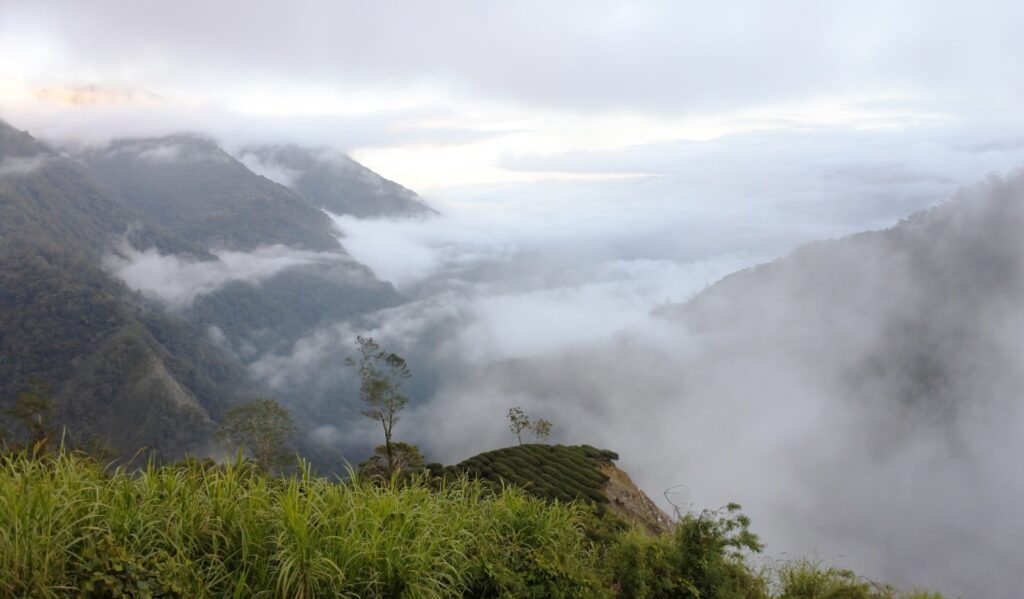
The Best Boutique Hotels in Naoshima
Where architecture and art collide on the Seto Inland Sea: a guide to Naoshima's best boutique hotels, and how to build a stay around slow, deliberate looking.
 By Marcus Lim
31 August 2026 · 6 min read
By Marcus Lim
31 August 2026 · 6 min read
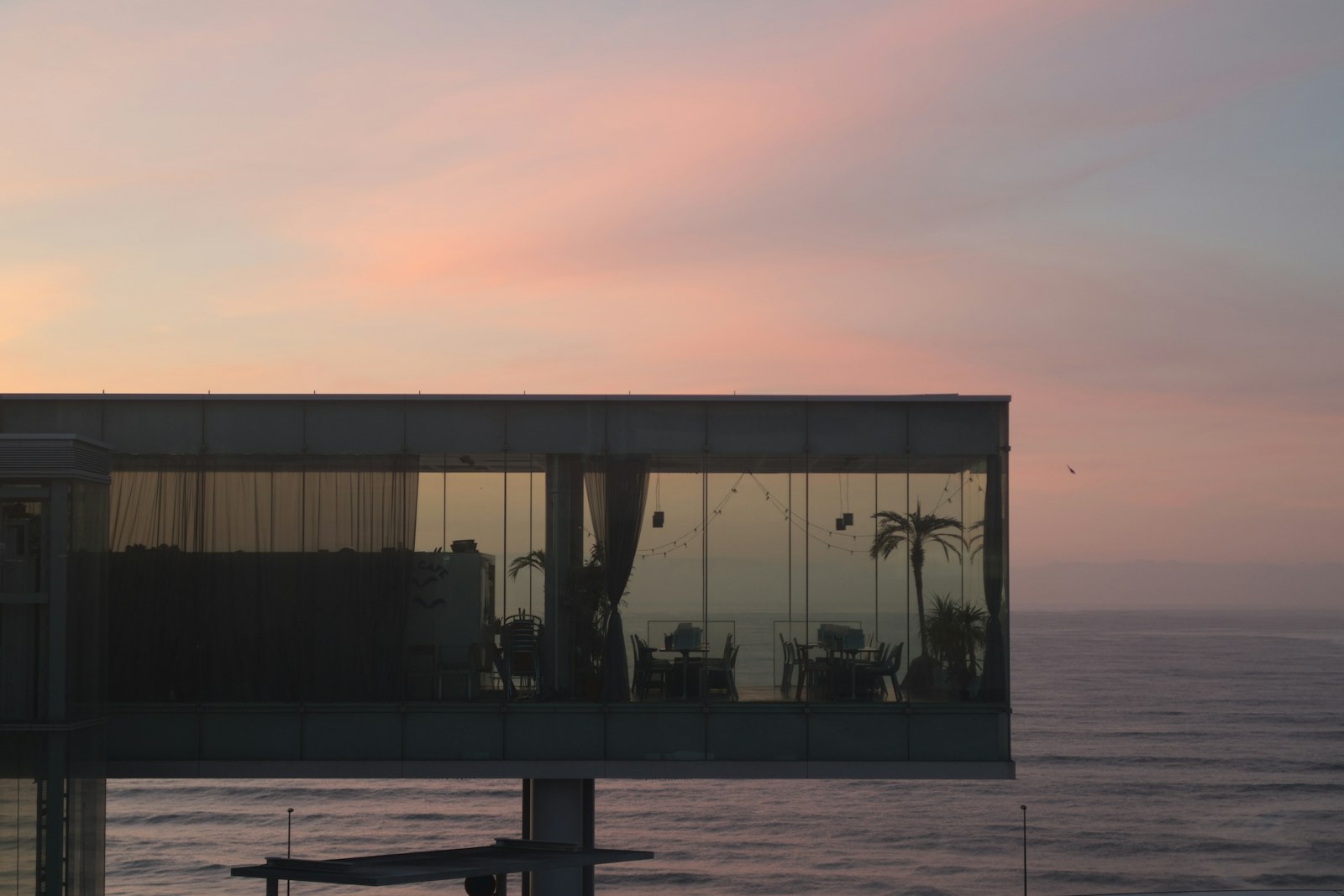
Naoshima’s transformation from a quiet fishing island in the Seto Inland Sea into one of the world’s most celebrated art destinations happened gradually, over decades, through a deliberate partnership between a Japanese corporation and a string of ambitious architectural and artistic commissions. Today the island functions almost as a single, continuous installation — museums built directly into hillsides, sculptures scattered across beaches and village streets, and a small but genuinely excellent cluster of boutique hotels designed with the same rigour as the art they sit alongside. Staying well here means choosing accommodation that understands it is part of the island’s broader artistic project, not simply a place to sleep between gallery visits.
Architecture as the Point
Naoshima’s hotels are, almost without exception, architectural statements in their own right, frequently designed by the same practices responsible for the island’s museums. Rooms are conceived less as conventional hospitality space and more as an extension of the surrounding art — clean concrete lines, considered framing of sea views, and a deliberate restraint in furnishing that echoes the minimalist sensibility running through the island’s major institutions. This is not incidental; several of the island’s better properties were commissioned specifically to extend a curatorial vision beyond gallery walls, with guest rooms functioning almost as quiet, private annexes to the public museums nearby.
What to Look For in a Naoshima Stay
- Direct access or proximity to the island’s benchmark museums and installations
- Rooms designed by architects with a genuine relationship to the island’s artistic history
- Access to site-specific artworks reserved exclusively for hotel guests after public hours
The After-Hours Advantage
One of the most compelling reasons to stay overnight on Naoshima, rather than visiting as a day-tripper from the mainland, is access to the island after the crowds and public museum hours end. Several of the better hotels offer guests private, after-dark access to specific installations and outdoor sculptures, an experience considerably different from viewing the same works surrounded by daytime crowds — quieter, more contemplative, and often more dramatically lit. This after-hours privilege is arguably the single strongest argument for booking one of the island’s more serious boutique properties over a budget guesthouse, since the premium buys genuine, otherwise unavailable access rather than simply a nicer room. Those wanting to extend the island stay further might look to a smaller neighbour, as our guide to boutique hotels in Inujima suggests.
“People come for the art in daylight and leave remembering the walk back to their room at night,” one hotel manager on the island said. “That’s when the place actually feels like an art island, not just a museum you visited.”
Choosing a Base
Naoshima’s hotel landscape splits roughly into two registers: a handful of larger, museum-affiliated properties offering the fullest after-hours access and most architecturally ambitious rooms, and a growing scene of smaller, independently run boutique guesthouses in the island’s historic village quarter, often set within renovated traditional houses that have themselves become small art installations through a long-running community art project. The village-based option suits travellers wanting a more intimate, walkable base close to local restaurants and the island’s slower daily rhythm, while the museum-affiliated properties suit those prioritising direct proximity to the flagship collections and the exclusive after-hours experience.
Travellers building a longer Seto Inland Sea itinerary often pair a Naoshima stay with time on neighbouring islands, each developing a distinct artistic identity of its own, and it is worth comparing notes against the region’s wider boutique hotel scene elsewhere in the country for a sense of how Naoshima’s design-forward approach compares to more traditional Japanese hospitality registers.
Getting There and Timing a Visit
Naoshima is reached by ferry from the mainland port towns of Uno or Takamatsu, a short, scenic crossing across the Seto Inland Sea that itself functions as a gentle introduction to the region’s particular light and water. Weekday visits, where a travel schedule allows the flexibility, offer noticeably quieter museum experiences than weekends, when the island draws considerably heavier day-tripper traffic from across the region. Those building a broader itinerary around the island should consider working it into a wider Japan rail itinerary, since the mainland gateway towns connect reasonably well to the national rail network for onward travel.
For travellers drawn to the island’s craft dimension as much as its contemporary art, it is also worth pairing a Naoshima stay with time spent on a traditional lacquer and craft trail elsewhere in the region, a useful counterpoint that sets the island’s contemporary minimalism against a much older and slower Japanese craft tradition.
Dining on the Island
Naoshima’s dining scene has developed alongside its art reputation, and the better hotels have invested accordingly, building restaurant programmes that draw on the exceptional seafood available from the surrounding Seto Inland Sea while maintaining the same design sensibility evident throughout the rest of the property. A well-run hotel restaurant here tends to favour a quieter, more restrained presentation than the elaborate multi-course formats found in larger Japanese cities, in keeping with the island’s overall aesthetic of restraint over spectacle. Some properties also curate their wine and sake lists specifically around the island’s contemplative character, favouring lighter, more precise styles over anything heavy or assertive that might compete with the quiet mood most guests come here seeking.
Breakfast, in particular, is worth treating as a genuine highlight rather than a routine formality — several of the island’s hotels serve it with views deliberately framed toward specific outdoor installations or the sea itself, timed to catch the earlier, softer light before the day’s ferry arrivals bring the first wave of day-tripping visitors ashore.
A Stay Worth Planning Around the Art
Naoshima rewards visitors who plan their accommodation with the same care they give their museum itinerary, treating a hotel choice as fully integral to the experience rather than an afterthought booked purely on convenience or price. Done well, a stay here becomes less a hotel visit interrupted by art, and more a single, continuous experience of architecture, landscape and installation across a full unhurried day and night. For more of the region’s most considered stays and the properties worth building a trip around, the Travel & Stays section covers the wider field.
Marcus writes on travel and hospitality across Asia, and is happiest a long way from a lobby.