How to Plan a Grand Japan Rail Adventure
Japan's rail network rewards proper planning: a considered guide to building a genuine grand tour by train, beyond the standard Tokyo-Kyoto-Osaka loop.
 By Marcus Lim
30 August 2026 · 6 min read
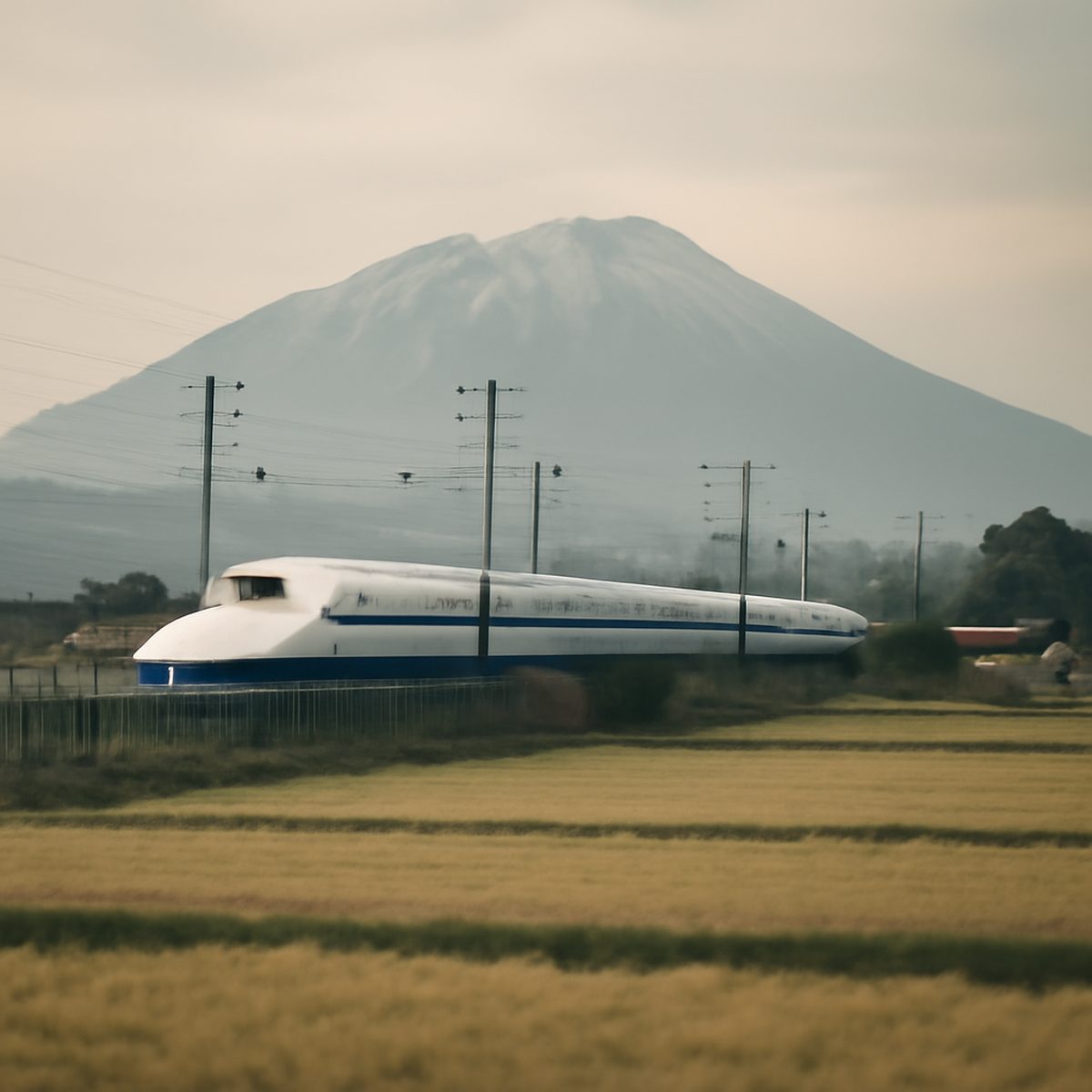
There is a particular satisfaction to travelling Japan by rail that no other form of transport quite replicates. The trains run with a precision that borders on the theatrical, the network reaches genuinely remote corners of the country, and the simple act of watching the landscape shift from neon city to rice paddy to mountain pass from a comfortable seat turns transit into part of the actual holiday rather than a gap between destinations.
Starting With the Pass Question
The old blanket approach — buying a full national rail pass and riding it as hard as possible — no longer suits every itinerary, particularly since pass pricing changed and regional passes proliferated. The better first step is mapping the actual route before deciding on ticketing, since a tightly regional trip covering, say, only the Kansai area may be cheaper on individual tickets or a regional pass, while a genuinely nationwide loop still tends to favour the broader pass. Working this out properly before booking any accommodation saves both money and the frustration of discovering a pass mismatch halfway through the trip.
Building a Route Beyond the Obvious
The standard first-timer’s route — Tokyo, Kyoto, Osaka, perhaps Hiroshima — remains excellent, but a genuinely grand rail adventure benefits from pushing further. The rail network reaches deep into regions that see a fraction of the standard route’s tourist traffic: the Japan Alps, with their onsen towns and dramatic gorges; the northern reaches of Honshu, with slower trains and considerably quieter platforms; and the southern islands, connected by a mix of shinkansen and scenic regional lines that few overseas visitors ever ride. Japan beyond Tokyo and Kyoto offers a useful starting point for anyone building a route that pushes past the standard circuit.
A well-built route also varies its pace deliberately — a fast shinkansen leg to cover distance, followed by a slower, single-track regional line through mountains or coastline, gives the trip real texture rather than a uniform blur of high-speed travel. Some of the country’s most memorable rail experiences happen on these slower branch lines, where the train itself becomes a form of sightseeing rather than a means of avoiding it.
Timing Around the Seasons
Japan’s rail journeys change character dramatically by season, and a well-planned trip should account for this rather than simply picking dates around annual leave. Spring routes built around the country’s blossom timeline reward careful sequencing, since the bloom moves north over several weeks and a well-planned rail itinerary can chase it. The best spring festivals in Japan is worth cross-referencing when timing a spring trip, since several of the best festival towns are also excellent rail stops in their own right. Autumn offers a similarly dramatic, if less crowded, alternative, and winter routes through the snow country of the north-west offer an entirely different atmosphere again.
A Few Practical Notes
- Reserve seats on popular shinkansen routes in advance during peak seasons; unreserved cars fill quickly.
- Pack light — station lockers exist but fill up fast, and stairs remain common even at major stations.
- Build in at least one overnight stop on a slower regional line rather than treating every leg as pure transit.
- Download offline maps and transit apps before departure; signal can lapse in mountain tunnels for extended stretches.
Scenic and Sightseeing Trains Worth Detouring For
Beyond the core shinkansen network, Japan operates a growing roster of purpose-built sightseeing trains — carriages with oversized windows facing gorges and coastlines, dining cars serving regional specialities, occasionally even open-air observation cars for the warmer months. These services run less frequently than standard trains and often require separate reservations, but they reward the extra planning considerably. A route built around two or three of these signature scenic services, spaced across a longer trip, gives the whole itinerary a series of genuine highlights rather than a uniform stream of standard rail travel.
Sleeper trains, though reduced in number over recent decades, still operate a handful of routes and offer a genuinely different way to cover long distances — boarding in the evening, waking in an entirely different region the next morning, with no time lost to daytime travel. The best overnight sleeper trains in Asia covers this style of travel more broadly, including Japan’s own dwindling but still excellent options.
Food Along the Way
No proper rail adventure in Japan is complete without a serious appreciation for ekiben, the elaborate boxed meals sold at and near stations, which vary by region in a way that turns lunch into a genuine reflection of local produce and culinary tradition. A well-chosen ekiben, eaten while watching the countryside slide past a shinkansen window, remains one of the simplest and most reliably excellent meals available anywhere on a Japan trip, and seeking out region-specific versions rather than defaulting to whatever is available at the departure station rewards the small extra effort involved. Station platforms themselves are worth a slower look too — many now host genuinely excellent regional food halls, a far cry from the standard convenience-store fare found at most transit hubs elsewhere.
“The trains taught me more patience than any temple did,” one repeat visitor told us of a three-week rail trip through the country’s less obvious regions. “You stop rushing once you realise the journey itself is worth watching.”
Where to Stay Along the Route
Accommodation along a rail-based itinerary works best when chosen for proximity to stations rather than convenience alone — a short walk from a well-connected station saves considerable time and effort over a multi-stop trip. Onsen towns along the route deserve particular attention, since many combine easy rail access with the kind of restorative stop a long journey benefits from; a guide to onsen etiquette and culture is worth reading before any first visit, given how many small customs first-time visitors get wrong.
For the fuller picture of how a grand rail trip fits into the wider region’s travel calendar, the Travel & Stays archive covers everything from route planning to the best stops along the way — proof that in Japan, at least, the journey really can outshine the destination.
Marcus writes on travel and hospitality across Asia, and is happiest a long way from a lobby.