The Art of the Considered Garden Terrace
A terrace is an outdoor room in its own right, not leftover space beside a garden. Here is how to design one that earns its daily use, evening after evening.
 By Priya Nair
30 August 2026 · 6 min read
By Priya Nair
30 August 2026 · 6 min read
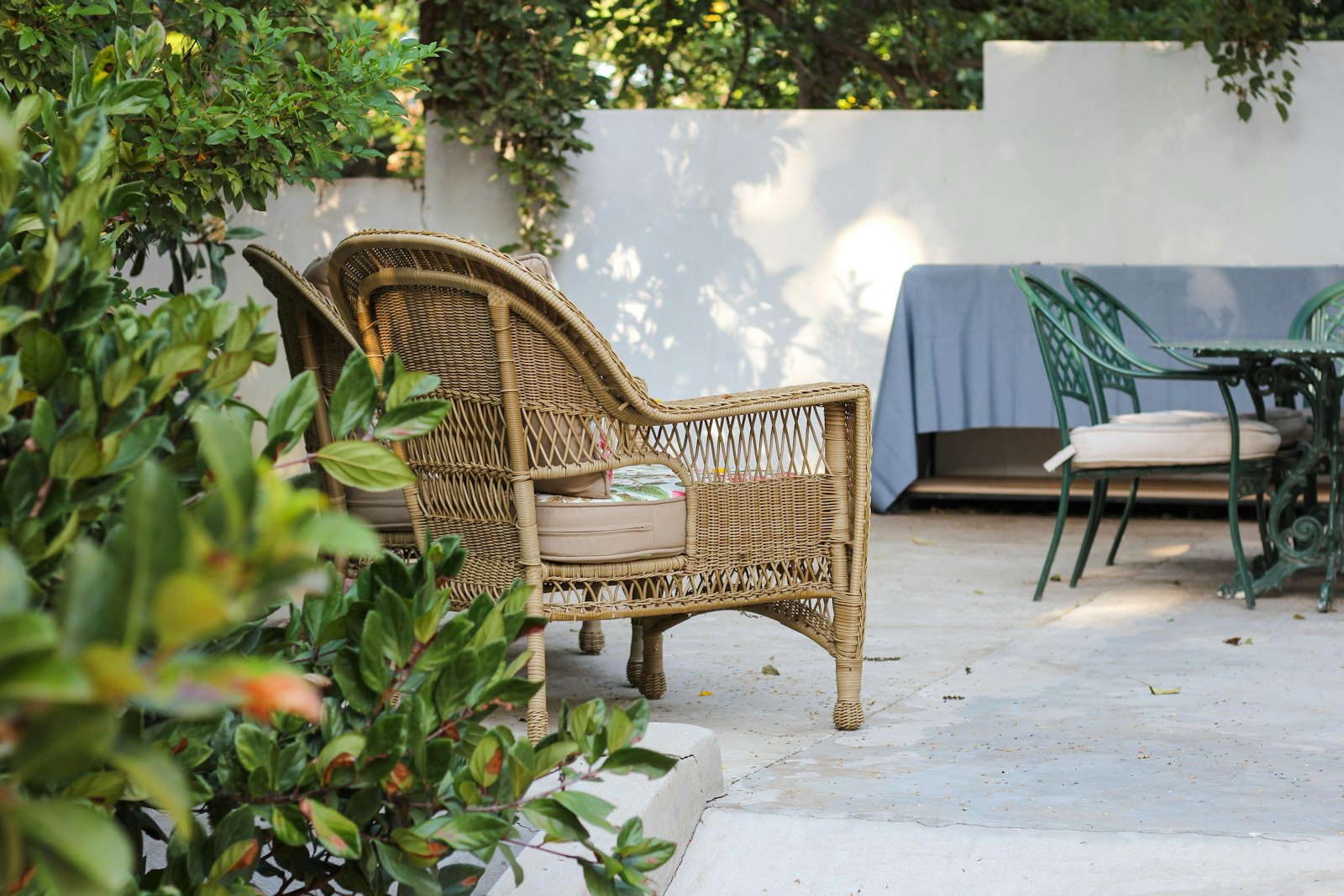
The garden terrace occupies a strange middle ground in most planning conversations — too outdoors to be treated with the same care as a living room, too architectural to be left entirely to a landscaper without any input from whoever is shaping the house itself. The result, in a great many homes, is a terrace that functions as leftover space: a slab of paving between the back door and the lawn, furnished as an afterthought once every other budget line has been spent. Treated properly, a terrace is an outdoor room in its own right, and it deserves the same design discipline as any room under a proper roof.
Paving as the Floor of an Outdoor Room
The single decision with the most lasting impact on a terrace is the paving material, and it is worth approaching it with the same rigour as choosing flooring indoors. Natural stone — granite, sandstone, a honed limestone — offers genuine longevity and ages beautifully in a tropical climate, developing a soft patina rather than simply weathering. Porcelain paving, increasingly common, offers excellent slip resistance and colour consistency at a lower long-term maintenance burden, since it does not require sealing the way natural stone does, though it lacks some of stone’s textural warmth underfoot.
Whichever material is chosen, colour and tone should relate directly to the house itself rather than being selected in isolation. A terrace paved in a stone that echoes or complements the home’s existing material palette reads as a natural extension of the building, while a mismatched paving choice makes even a well-built terrace feel bolted on rather than integral, a distinction worth thinking through alongside the considered garden path that typically connects it to the rest of the plot.
Structure Before Planting
It is tempting to think of terrace design as primarily a planting exercise, but the hard landscaping — retaining walls, level changes, defined zones for seating and dining — should be resolved first, since planting is the layer that softens and completes a structure rather than the structure itself. A terrace with no defined zones tends to accumulate furniture in whatever arrangement feels convenient at the time, while one designed from the outset with distinct areas for lounging, dining and simply passing through reads as considered and functions far better for actual daily use. The same principle of distinct zones translates well to higher ground, as the art of the considered roof terrace explains.
Level changes, even modest ones of a single low step, do genuine work in defining these zones without the need for walls or planting to do it visually. A slightly raised dining terrace adjacent to a lower lounging area, connected by one broad, shallow step, creates a sense of distinct rooms within a single continuous outdoor space.
Building the Terrace in Layers
- Hard landscaping first — paving, retaining structures, any pergola or shade structure
- Structural planting next — larger specimens and hedging that define the terrace’s edges
- Furniture and lighting third — chosen to suit the zones already established, not before
- Ornamental and seasonal planting last — the layer most easily changed as taste evolves
Planting for a Tropical Climate
Singapore’s climate is genuinely generous to terrace planting in a way many temperate gardens are not — growth is fast, and a well-chosen palette of tropical species fills out a terrace’s structural planting within a single season rather than the several years a temperate garden often requires. The mistake most commonly made is over-planting early, in anticipation of growth that has not yet happened, which leaves a terrace looking crowded and poorly proportioned within eighteen months. Planting with mature size firmly in mind, even if it looks sparse at first, pays off considerably better than planting densely for instant impact.
This same climate-led thinking runs through tropical gardens for the modern home, where the emphasis sits on structure and restraint rather than density, a philosophy that translates directly to terrace planting even at a much smaller scale.
A terrace that gets used every evening was designed for the evening. One that gets photographed once and abandoned was designed for the photograph.
Shade and Lighting, the Two Details That Determine Actual Use
More than any material or planting decision, shade and evening lighting determine whether a terrace becomes a genuinely used part of daily life or a space that only sees occasional weekend use. A pergola, a mature tree canopy, or simply a well-positioned sail shade makes the difference between a terrace usable only in early morning or evening and one comfortable through more of the day. Evening lighting deserves equal attention — outdoor lighting for the garden designed in layers, combining low path lighting, uplighting into planting, and softer ambient lighting over a seating zone, extends a terrace’s useful hours considerably further into the evening than a single floodlight ever will.
An Outdoor Room Worth the Same Care
The households that get the most daily use from a garden terrace are almost always the ones that designed it with the same seriousness applied to an indoor room — proper zoning, considered materials, genuine attention to comfort at different times of day — rather than treating it as simply the space where the garden happens to meet the house. That shift in thinking, more than any individual material choice, is what turns a slab of outdoor paving into a room worth spending an evening in, and it is a theme that runs consistently through the outdoor and material thinking across Homes & Culture.
Furnishing for a Genuinely Tropical Climate
Furniture chosen for a terrace needs to be selected against a different set of criteria from anything used indoors, and it is a step many households rush through after the harder landscaping decisions have already consumed most of the attention and budget. Materials need to withstand sustained humidity, direct sun and sudden downpours without warping, fading or harbouring mould, which rules out a great deal of furniture designed primarily for temperate outdoor use. Powder-coated aluminium frames, teak or another naturally weather-resistant hardwood, and quick-drying outdoor-grade cushion fills all perform reliably in Singapore’s conditions in a way that untreated softwood or standard indoor upholstery simply cannot.
Storage matters more here than most households anticipate as well. Even weather-resistant cushions benefit from being brought under cover or into a dedicated storage box during the heaviest stretches of the monsoon season, and building this consideration into the terrace’s layout from the outset — a nearby storage bench, or simple proximity to an indoor store — saves considerable frustration compared with retrofitting a solution after the furniture has already begun to suffer.
Priya tours the homes most people only glimpse from the road, and asks how they are really lived in.