The Art of the Considered Bay Window
A bay window is one of the more generous architectural gestures a home can offer, and one of the most frequently wasted. Here is how to give it proper purpose.
 By Priya Nair
31 August 2026 · 6 min read
By Priya Nair
31 August 2026 · 6 min read
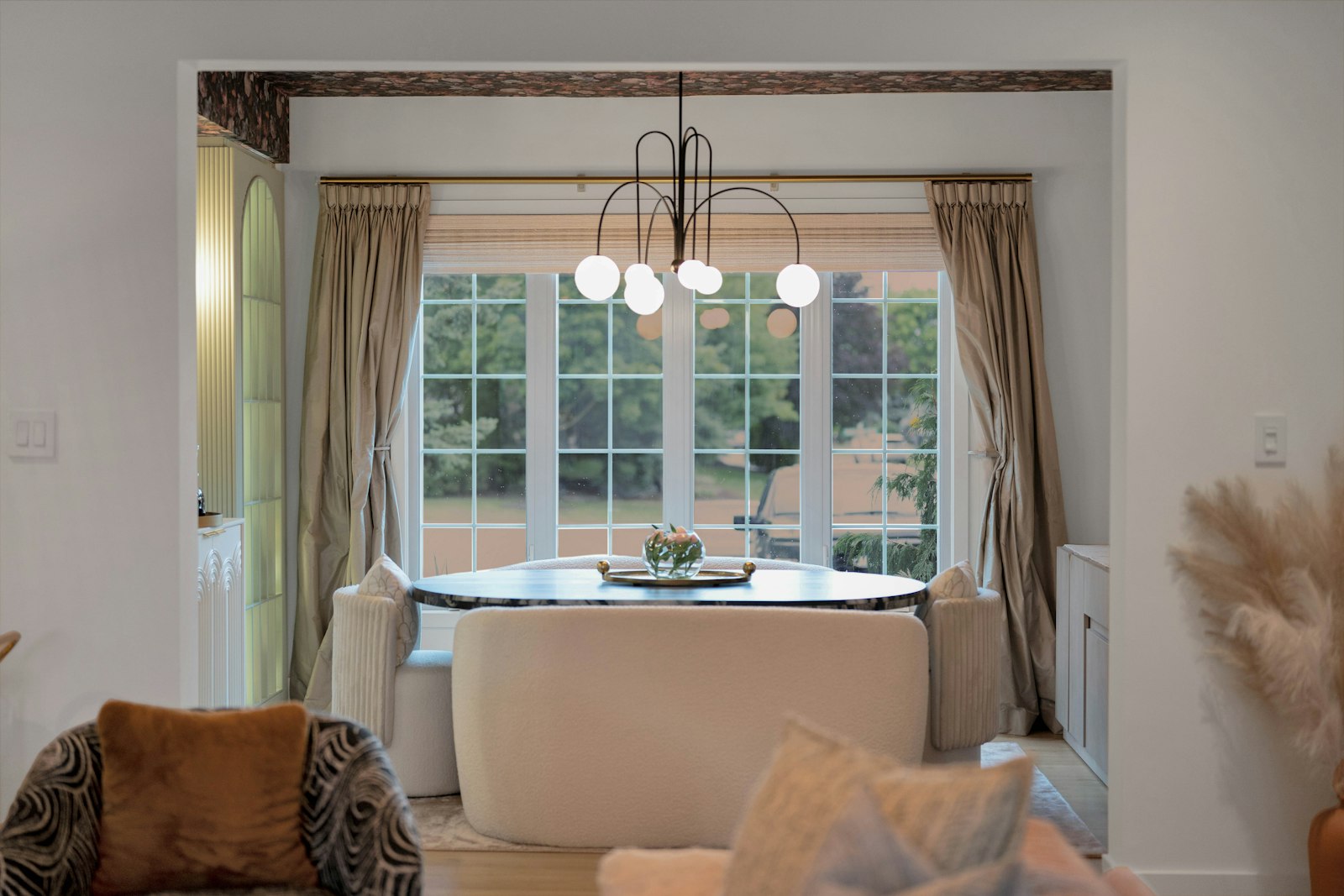
A bay window is a small architectural luxury — an extension of a room’s floor area that projects outward to catch light from three sides rather than one, creating a pocket of space with a character distinct from the rest of the room it belongs to. It is also, remarkably often, wasted. Walk through a good number of homes with a genuine bay window and the space within it is frequently doing nothing more interesting than housing a side table, an underused armchair, or nothing at all beyond a curtain drawn across it most of the day.
This is a missed opportunity, because a bay window’s structural quirks — the angled walls, the extra light, the sense of being slightly apart from the main room — are exactly the qualities that make a small, well-defined space feel special. Giving it genuine purpose, rather than treating it as leftover floor area, is what separates a considered bay window from a wasted one.
The window seat, still the best default
For most bay windows, a built-in or well-fitted upholstered window seat remains the single most reliable way to use the space well. It suits the bay’s proportions naturally — most bay windows are too narrow and too interrupted by the angled glazing to work well as a conventional seating or dining arrangement, but exactly the right depth for a bench seat with storage beneath. A window seat also solves the practical problem of what to do with a bay window’s often-awkward sill height, turning a dimension that resists ordinary furniture into an asset.
The best window seats are upholstered generously rather than treated as an afterthought bench — a proper cushion, ideally custom-fitted to the specific angles of the bay, with a run of smaller cushions along the back, turns the seat into a genuine destination rather than a place to perch briefly.
Storage, hidden in plain sight
A bay window seat built with storage beneath is one of the more genuinely useful pieces of built-in furniture a home can offer, particularly in a Singapore home where storage is almost always at a premium. Hinged seat lids opening onto a storage cavity below work well for books, throws, or seasonal items, and the fact that the storage is entirely concealed beneath an upholstered surface means it adds function without adding visual clutter — a rare combination in home storage solutions.
Ways to give a bay window genuine purpose
- A built-in window seat with storage — the most versatile and universally successful use of the space.
- A dedicated reading nook, with a single well-chosen armchair angled to the light rather than square to the room, paired with a small side table and a reading lamp.
- A breakfast or morning coffee spot, for a bay window in or near a kitchen, furnished with a small round table sized to the bay’s specific proportions.
- A plant-filled sunroom in miniature, for a bay window that receives strong, consistent light — a considered arrangement of planting rather than a single forgotten pot.
Treating the window itself with care
How a bay window is dressed matters as much as how the space within it is furnished. Curtains hung straight across the opening of the bay, rather than following its angles, flatten the architecture and disguise the very feature that makes the space worth having. Better results come from either dressing each individual window pane within the bay separately, which preserves the sense of the bay’s shape, or from a single curtain track curved to follow the bay’s full outline, which frames the whole space as one generous gesture rather than concealing it.
A bay window is an invitation the house is already making. Furnishing it well is simply a matter of accepting the invitation rather than declining it with a forgotten side table.
Scale and proportion in the furnishing
One of the more common errors in furnishing a bay window is choosing pieces sized for a conventional room rather than for the bay’s specific, often quite tight, proportions. A window seat is almost always the more forgiving choice precisely because it can be built to the exact dimensions of the space, but a freestanding armchair or side table bought off the shelf rarely fits as cleanly, and a piece that is even slightly too large for the bay will crowd the very light and openness the window was designed to offer. It is worth measuring carefully and, where budget allows, having the bay’s furnishing custom-made or at minimum custom-selected, rather than working with whatever happens to be available in a standard range. This is a case where a slightly higher upfront cost for bespoke or made-to-measure furnishing pays back considerably in how well the finished space actually functions.
Light, glare and comfort
Because a bay window gathers light from multiple directions, it can also gather more heat and glare than a single flat window, which matters in Singapore’s climate more than it might elsewhere. Sheer curtains or a light filtering blind, used alongside heavier curtains for evening privacy, allow the bay to be enjoyed through the brightest part of the day without the space becoming uncomfortably hot or glaring. This is worth planning for at the same time as the seating and storage decisions, rather than treating window treatment as a purely decorative afterthought.
A quiet architectural asset worth reclaiming
Many bay windows in older Singapore homes and shophouse conversions were original features, added by an earlier generation of architects for exactly the reasons outlined here — more light, a sense of generosity, a small architectural flourish on an otherwise straightforward facade. Somewhere along the way, in the pursuit of open-plan simplicity, many of these spaces lost their purpose and became the default home for whatever furniture had nowhere else to go. Reclaiming that original intention costs relatively little compared with most renovation projects, and the return, in terms of how much a room’s character improves, is disproportionately large for the effort involved.
Where a bay window fits into a wider room
A well-furnished bay window works best when it reads as a considered extension of the room it belongs to, rather than a separate, disconnected feature. This connects naturally to other enclosed, purpose-built reading and retreat spaces covered elsewhere in this magazine — see the return of the panelled library and the considered home library nook for related small-space thinking. Lighting the space well matters just as much as furnishing it — how to choose and style floor lamps offers useful guidance for the evening hours when a bay window’s natural light advantage disappears. Further design ideas for making the most of a home’s existing architecture continue throughout Homes & Culture.
Priya tours the homes most people only glimpse from the road, and asks how they are really lived in.