How to Choose and Style Floor Lamps
A floor lamp is one of the easiest ways to transform a room's evening mood, and one of the most frequently chosen for looks alone. Here is how to choose well.
 By Priya Nair
31 August 2026 · 6 min read
By Priya Nair
31 August 2026 · 6 min read
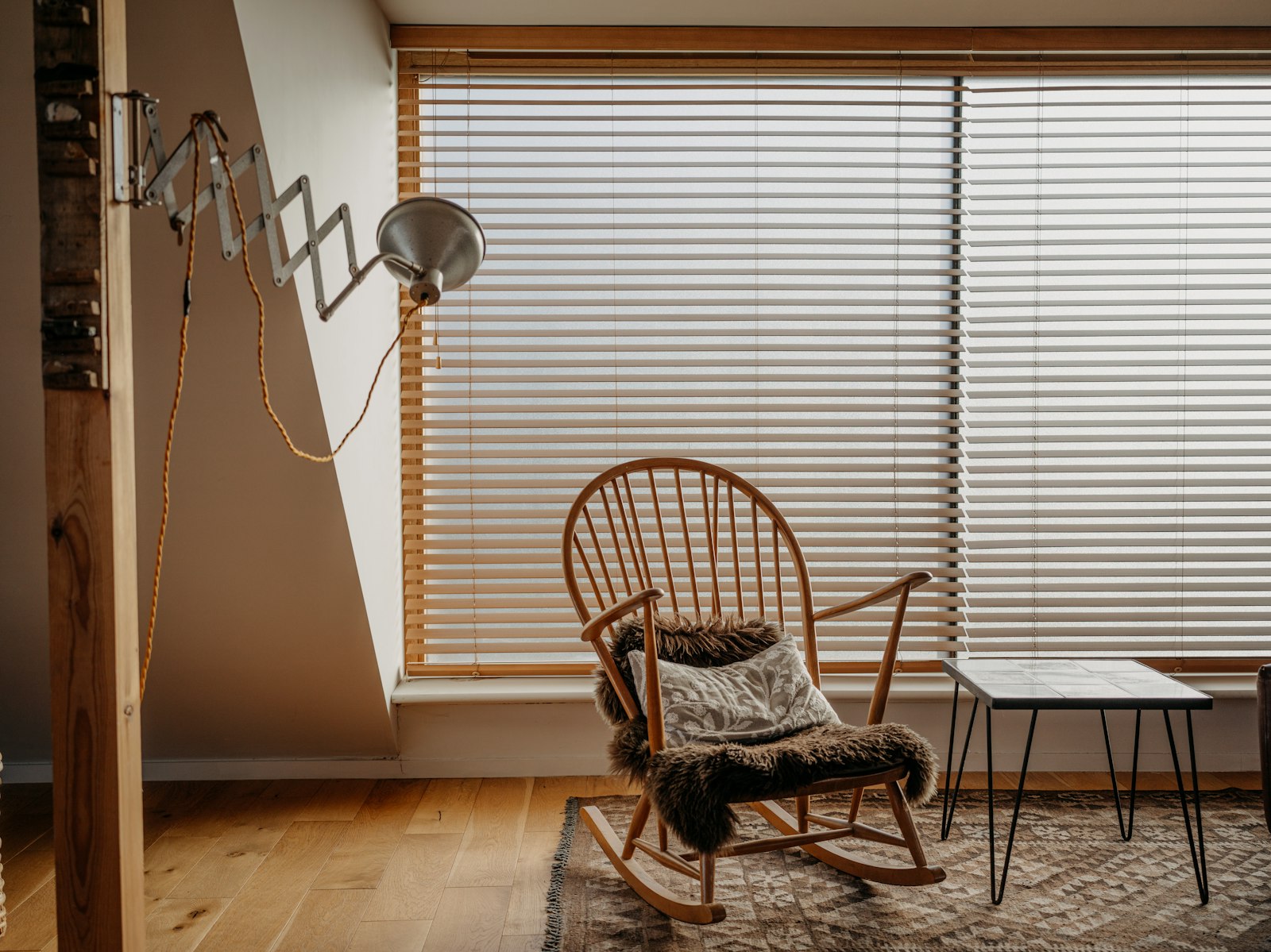
A floor lamp is, in principle, one of the simplest purchases a home can make — a freestanding light on a stem, requiring no wiring beyond a plug, movable at will from one corner of a room to another. In practice, floor lamps are chosen badly more often than almost any other piece of furniture, typically selected for how they look as a standalone object in a showroom or online listing rather than for how they will actually perform once switched on in the specific room they are meant to light. The result is a home full of striking floor lamps that either barely illuminate anything useful or throw a harsh, unflattering light exactly where it is least wanted.
Function before form — a genuinely different approach
The right way to choose a floor lamp begins not with its appearance but with the specific job it needs to do in a specific spot. A floor lamp positioned beside a reading chair has an entirely different brief from one meant to fill a dark corner of a living room with general ambient light, and the two call for different heights, shade designs and bulb choices. Working out the lamp’s actual function first — task lighting for reading, ambient fill light, or a decorative accent — narrows the field considerably before appearance even enters the decision.
Height and where the light actually falls
Height is the single most commonly miscalculated dimension in floor lamp buying. A reading lamp positioned beside a chair needs its light source roughly at or just above shoulder height when seated, so that light falls onto a book or page without glaring directly into the eyes — a lamp that is too tall throws light down at an angle that creates shadow exactly where it is needed, while one that is too short sits at eye level and becomes a source of glare rather than illumination. An ambient corner lamp, by contrast, can sit taller, since its purpose is to wash light upward and outward across a room rather than down onto a specific task.
A practical height guide
- 58 to 63 inches — the standard range for a reading lamp beside a chair, measured to the base of the shade.
- 60 to 65 inches — suitable for a lamp positioned beside a sofa, accounting for the slightly greater distance from seated eye level.
- Taller, 65 inches and above — appropriate for a purely ambient corner or torchiere-style lamp not associated with a specific seat.
Shade material and the quality of light
The shade does more to determine a lamp’s actual character than the base, however striking the base design. An opaque shade directs light in a tighter, more focused pool below and above the shade line, which suits task lighting well but can leave the shade itself looking dark and unlit from most viewing angles in the room. A translucent shade — linen, parchment, a lighter fabric — glows softly when lit, contributing ambient light to the room in addition to its downward task light, and generally produces a warmer, more inviting effect in the evening, which is when a floor lamp typically does most of its work.
Base material and how it reads in the room
Brass, aged bronze and dark timber bases tend to suit the warm, considered material palette favoured throughout a home built around the kind of enclosed, atmospheric rooms covered elsewhere in this magazine — see the best materials for a warm study for a related material logic. A slimmer, more minimal metal or marble-based lamp suits a more contemporary room where the lamp is meant to contribute a lighter visual touch rather than substantial presence. The base’s visual weight should generally be judged against the furniture it sits beside — a substantial armchair calls for a lamp with enough presence not to look flimsy beside it, while a slender modern sofa can be overwhelmed by an overly heavy base.
The best floor lamp in a room is rarely the one anyone notices first. It is the one that makes the room feel right the moment it is switched on.
Bulb choice, the detail everyone forgets
A well-chosen lamp can still produce disappointing light if fitted with the wrong bulb. A warm colour temperature, generally in the 2700 to 3000 kelvin range, suits residential evening lighting far better than the cooler, bluer light common in office settings, which can make even a beautifully designed lamp feel clinical rather than inviting. Dimmable bulbs, paired with a dimmer-compatible fitting, add genuine flexibility, allowing a single lamp to serve as both a brighter reading light and a softer ambient glow later in the evening without needing two separate fixtures.
One lamp or a pair
It is worth considering, particularly in a larger living or reading area, whether a single floor lamp genuinely serves the room or whether a pair — flanking a sofa, or positioned symmetrically either side of a fireplace or console — would create a more balanced, considered effect. A single lamp tends to suit an asymmetrical room where one specific spot needs light more than any other, such as a single reading chair in a corner. A pair works better in a room designed around symmetry, where matching light sources either side of a central feature reinforce the room’s overall composition rather than pulling the eye unevenly toward one side. This is a decision worth making at the layout stage, alongside furniture placement, rather than treating the lamp purely as an accessory added once everything else is settled.
Placement as the final styling decision
Once the right lamp has been chosen for its function, height and light quality, its physical placement in the room is what completes the styling. A floor lamp works best when it fills a genuine gap in a room’s lighting plan — a dark corner, an underlit reading spot — rather than being placed purely where it looks best from the doorway. This is a useful discipline to apply alongside the room’s other lighting layers, as covered in how to choose and style table lamps and choosing a statement light fixture, both of which work in concert with a floor lamp to build the kind of layered evening lighting a considered home relies on. For the fuller principle behind combining these layers well, see the art of layered lighting, and for more on furnishing a room with this level of intent, explore the rest of Homes & Culture.
Priya tours the homes most people only glimpse from the road, and asks how they are really lived in.