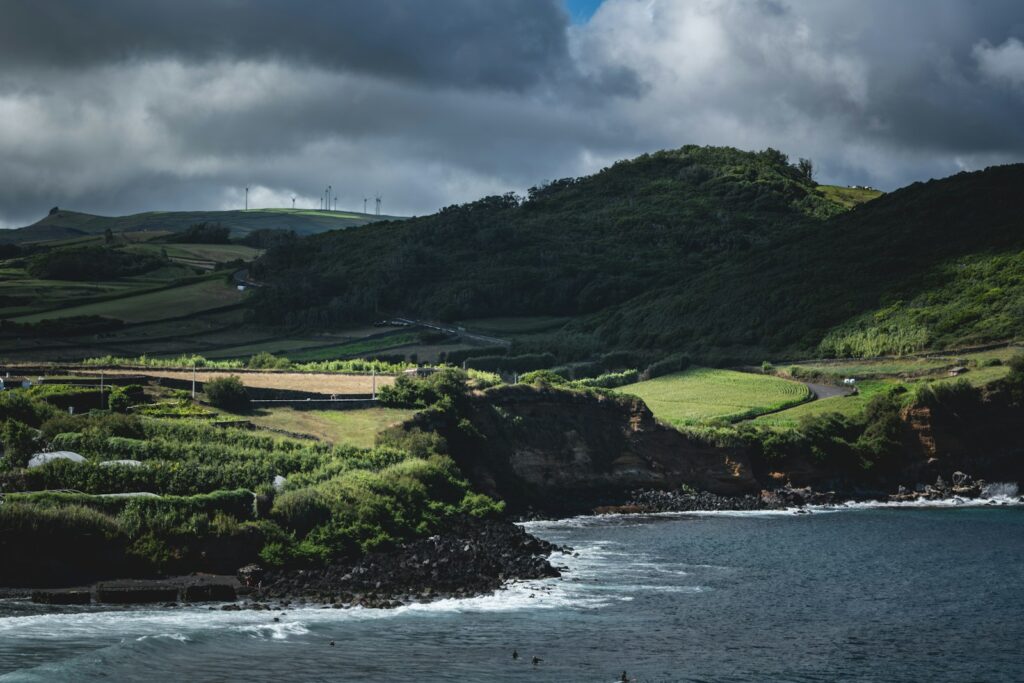
Sabah and Borneo, the Wild Luxury
Borneo's version of luxury is built on wilderness, not polish. Here is how Sabah delivers rainforest, reef, and genuine remoteness without giving up comfort.
 By Marcus Lim
29 August 2026 · 6 min read
By Marcus Lim
29 August 2026 · 6 min read
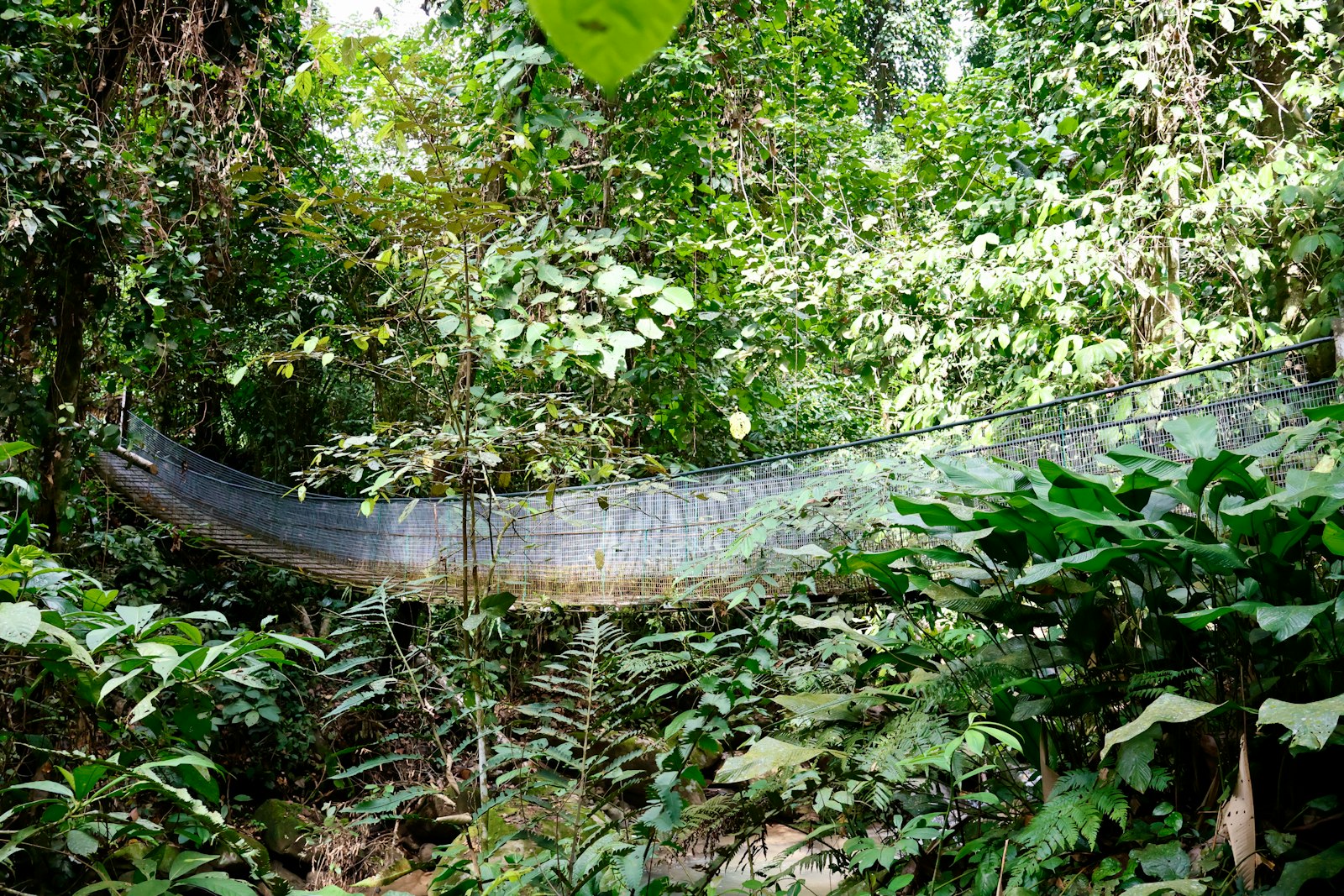
Borneo does not fit neatly into the standard Southeast Asian luxury holiday template, and that is precisely its appeal. There is no equivalent here of the manicured beach resort with its infinity pool angled toward a predictable sunset; instead, the island’s Malaysian state of Sabah offers something considerably rarer in the region — genuine, largely intact wilderness, delivered with just enough comfort that a traveller does not have to choose between the rainforest and a decent bed. It is luxury measured in access rather than polish: proximity to orangutans in the wild, reef systems barely touched by mass tourism, and a mountain that still commands genuine respect from those who attempt it.
The rainforest, properly experienced
Sabah’s rainforest lodges have, over the past decade, quietly become some of the most sophisticated wildlife accommodation in Asia, built with the specific goal of putting guests close to the region’s remaining wild orangutan populations without disturbing them. A composite riverside lodge along the Kinabatangan, Sabah’s longest river, positions guests for dawn and dusk boat safaris — the hours when the river’s wildlife, from proboscis monkeys to pygmy elephants, is most active — while the lodge itself runs on a genuinely low-impact model, built from local timber and powered increasingly by solar. The luxury here is not marble and thread count; it is the near-certainty of watching a wild orangutan move through the canopy from a boat, engine cut, in complete silence.
Sepilok’s rehabilitation centre, and the smaller, quieter sanctuaries that have opened in its wake, offer a more structured version of the same encounter, and are worth building a full day around rather than treating as a two-hour stop between other activities. The best visits happen at feeding time, early in the morning, before the day-trip crowds from the nearest town arrive in numbers.
Diving that still feels wild
Sabah’s dive sites, particularly around its outlying islands, remain some of the least crowded world-class diving in the region — a genuine rarity at a moment when reef tourism elsewhere in Southeast Asia has, in places, begun to outpace what the reefs themselves can sustainably support. Strict permit systems limiting daily diver numbers at the region’s best-known sites have kept both the coral and the marine life in considerably better condition than comparable destinations, and the trade-off — booking well in advance, accepting a smaller daily group — is one most serious divers are glad to make. Those newer to the sport will find our guide to diving destinations for the curious beginner a useful starting point before committing to Borneo’s more demanding sites.
“People expect Borneo to be about the jungle,” one composite dive operator based on Sabah’s east coast told us. “Then they get in the water and realise the reef is the part they can’t stop talking about.”
Kinabalu and the case for altitude
Mount Kinabalu, Southeast Asia’s highest peak outside the Himalayas, anchors the interior of Sabah and offers a genuinely different register of experience from the coast — cooler air, a two-day climb with an overnight stop partway up the mountain, and a summit sunrise that regularly ranks among the most talked-about experiences travellers bring back from the region. It is a serious undertaking rather than a casual hike, requiring a permit, a guide, and a reasonable level of fitness, but for travellers building a longer Borneo itinerary it offers a natural counterpoint to the lowland rainforest and reef — altitude, cold, and a physical challenge that most standard luxury travel deliberately avoids.
Building a Sabah itinerary
- Two to three nights on the Kinabatangan River for wildlife, with dawn and dusk boat safaris
- Two nights on an outlying island for diving, booked well ahead given permit limits
- A two-day Kinabalu ascent for travellers with the fitness and time to attempt it
- A final coastal night to decompress before the flight home
How it compares to the rest of the region
Set against the wider spread of Southeast Asian island travel — the beach clubs, the overwater villas, the well-trodden diving circuits of Thailand and the Philippines — Sabah operates on a genuinely different premise. Our piece on the islands of Indonesia beyond Bali covers a related appetite for less-trafficked island travel in the region, while those drawn to the wilder end of the luxury spectrum more broadly will find useful overlap in our guide to the art of luxury camping. For the full range of what we are recommending across the region this season, our Travel & Stays section is worth a browse.
The conservation economics behind the comfort
Much of what makes Sabah’s version of luxury genuinely different is the conservation infrastructure underpinning it, which most visitors never see directly but benefit from constantly. A meaningful share of the state’s tourism revenue over the past two decades has gone toward habitat protection and reforestation corridors connecting fragmented patches of rainforest, work that has directly supported the wildlife populations visitors come to see. This is not incidental to the luxury on offer; it is arguably the product being sold. A rainforest lodge with genuinely reliable wildlife sightings depends entirely on the health of the surrounding ecosystem, which in turn depends on decades of unglamorous conservation work that rarely appears in a marketing brochure but underwrites the entire experience.
Travellers weighing Sabah against other wilderness destinations in the region would do well to ask a lodge directly about its conservation partnerships and its relationship with the surrounding community before booking; the strongest operators are typically the most transparent about this, and the answer tends to correlate closely with the actual quality of the wildlife experience on offer, since a lodge genuinely invested in the ecosystem’s health has every incentive to protect what it depends on.
What Borneo offers, in the end, is not a more luxurious version of the standard Southeast Asian beach holiday but a genuinely different proposition altogether: proximity to a wilderness that is disappearing everywhere else in the region at a troubling rate, delivered with just enough infrastructure that a traveller does not have to rough it to see it properly. That balance — comfort without sanitisation — is increasingly rare, and increasingly valuable. Sabah still has it, for now.
Marcus writes on travel and hospitality across Asia, and is happiest a long way from a lobby.