A Weekend on Jeju Island
South Korea's volcanic island deserves more than a stopover mentality. A weekend on Jeju, spent properly, moves between coastline, groves, and tea country.
 By Marcus Lim
29 August 2026 · 6 min read

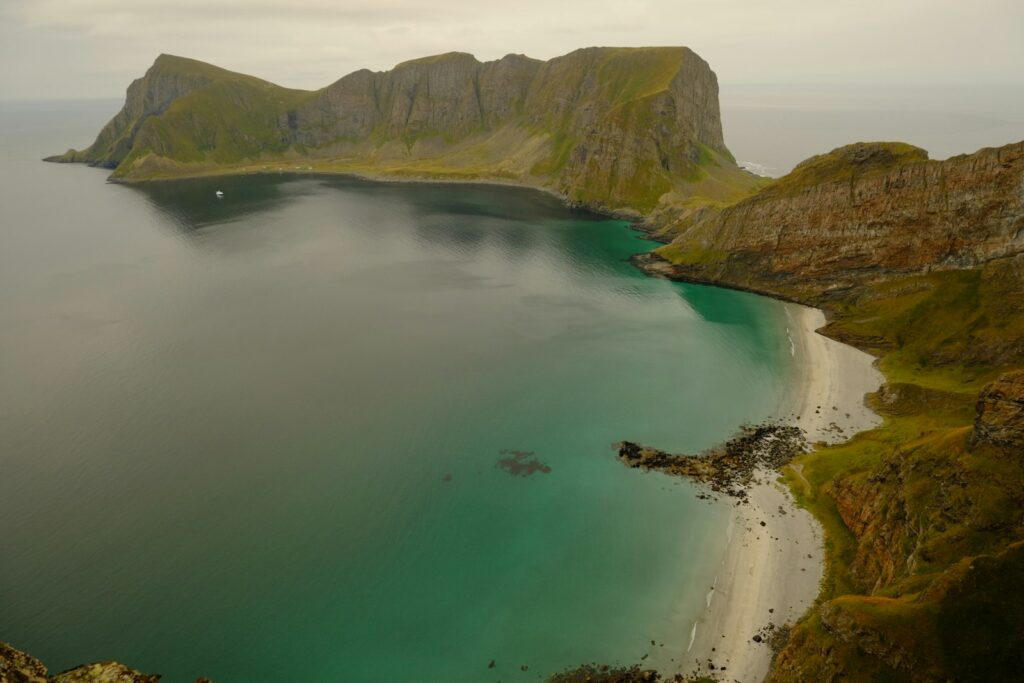
Jeju has a habit of being underestimated by travellers who know it only as South Korea’s honeymoon island of the 1980s or, more recently, as a convenient short-haul break for visitors from the mainland. Neither reputation does the place justice. The island is volcanic in origin, ringed by black rock coastline, and threaded through the middle with tea fields and citrus groves that give it a climate and character closer to a Mediterranean island than anything else in Northeast Asia. A weekend here, spent properly rather than rushed, reveals a place with genuine depth — geological, culinary, and cultural — that repays a slower pace.
Friday: arrival and the eastern coast
Jeju’s compact size is deceptive; the roads that hug its coastline take longer to drive than the map suggests, largely because you will want to stop constantly. Head east from the airport rather than settling straight into a hotel, and you will reach a stretch of coast defined by low stone walls, wind-bent trees, and the black volcanic rock that gives the island its particular light. The traditional Jeju stone wall, built without mortar to withstand the island’s fierce winds, is a small architectural marvel worth pausing for on its own.
By evening, settle into a quiet coastal stay — a composite recommendation would be a low-rise property built into the volcanic rock itself, its restaurant serving the island’s famous black pork alongside a citrus-forward local soju. Jeju’s cuisine deserves more attention than it typically receives on a weekend itinerary; the island’s isolation from the mainland historically shaped a distinct food culture built around seafood, foraged greens, and the citrus that grows almost everywhere you look.
Saturday: volcanic craters and tea country
Set an early alarm. Jeju’s volcanic landscape rewards a morning start, both for the light and for beating the crowds that build through the day, particularly around the island’s most photographed crater. A hike up one of the island’s smaller volcanic cones — there are over three hundred scattered across Jeju, most of them modest enough to summit in under an hour — offers a view across the island that puts its scale into perspective: farmland giving way to forest, forest giving way to the volcanic peak at the island’s centre.
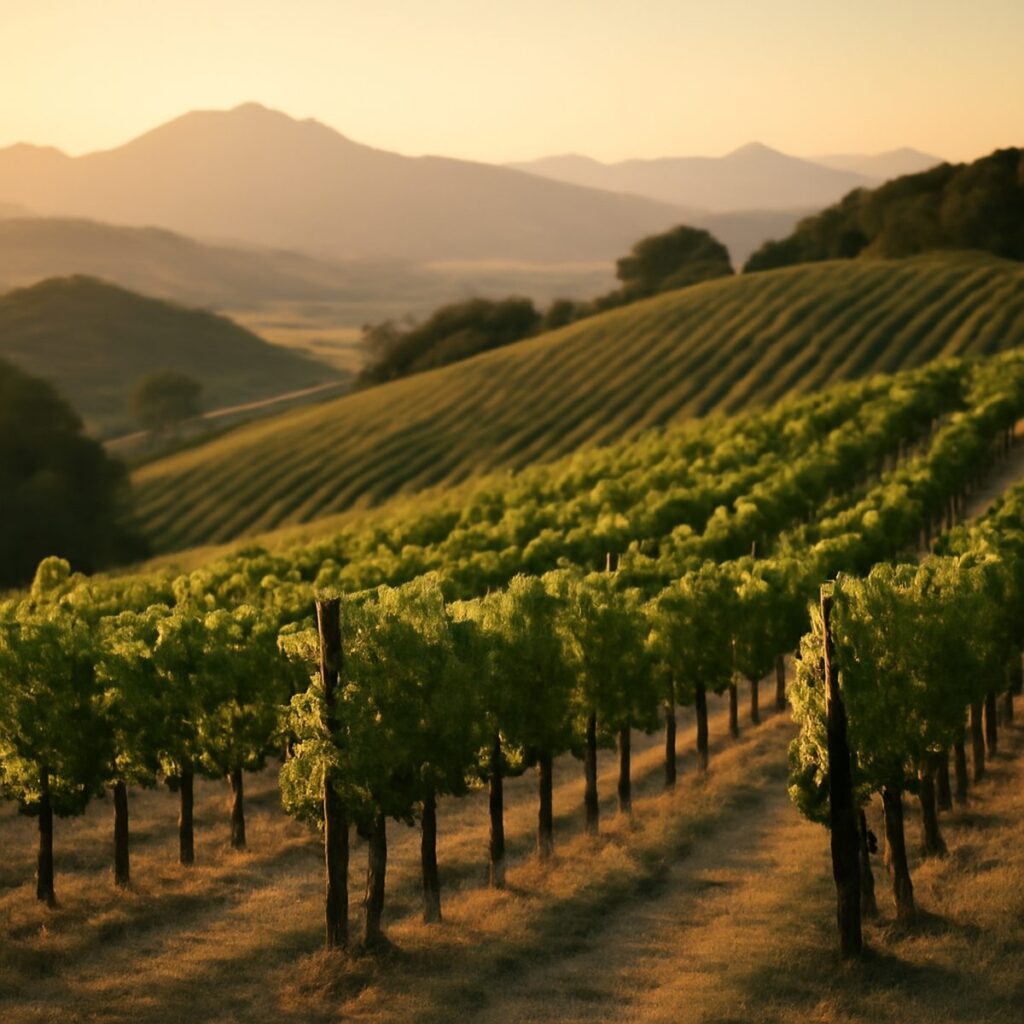
The afternoon belongs to the island’s interior, and specifically to its tea country. Jeju’s volcanic soil and mild, humid climate have made it one of the few parts of Korea capable of producing green tea at any real scale, and the plantations that spread across the island’s mid-slopes are worth a slow visit rather than a photo stop. A composite tea house set among the rows offers tastings paired with small local sweets, and the quiet of the place — rows of tea bushes running to the horizon, Hallasan’s peak visible on a clear day — makes a strong case for treating Jeju as somewhere to sit still in, not just drive through.
A short list of things worth building time for
- A slow lunch built around Jeju black pork, ideally at a family-run restaurant rather than a tourist-facing one
- An afternoon at a tea plantation, timed for the golden light before sunset
- A walk along one of the island’s coastal olle trails, even a short section
- A visit to a lesser-known volcanic cone, away from the island’s most-photographed one
“People come for a day trip and leave thinking they’ve seen Jeju,” a local guide told us. “You’ve seen the road. The island itself takes longer to show itself.”
Sunday: the coast, slowly
Reserve your last morning for the island’s haenyeo culture — the free-diving women, many now in their sixties and seventies, who have harvested seafood from Jeju’s waters by hand for generations, using no scuba equipment, in a tradition recognised by UNESCO. Watching them work from the shore, even briefly, offers a different register of Jeju entirely: not resort island, but working island, shaped by generations who made a living from a genuinely difficult coastline.
Close the weekend with a slow lunch near the water — fresh abalone or sea urchin if the haenyeo have had a good morning, otherwise the island’s excellent seafood porridge — before the drive back to the airport. Jeju rewards travellers who resist the instinct to pack the itinerary; the island’s real character sits in its slower corners, not its headline attractions.
Getting the logistics right
A car is close to essential; Jeju’s public transport has improved but still cannot match the flexibility of driving yourself between the coast and the interior on your own schedule. Aim to stay on the island’s quieter eastern or western coasts rather than the more developed area around the main city, both for the scenery and for a pace of stay that suits a genuine weekend away rather than a resort holiday bolted onto a business trip. Two nights is workable, but three allows the island’s rhythm — coastal walk in the morning, interior in the afternoon, seafood at dusk — to properly settle in before you have to leave.
Where to base yourself
Jeju City, on the northern coast, offers the most convenient base logistically, close to the airport and with the widest range of accommodation, but it is also the least distinctive part of the island — a working city rather than a holiday backdrop. A better strategy for a genuine weekend is to split the two nights between the eastern coast, closer to the tea plantations and the coastal olle trails, and the western side, nearer the island’s more dramatic volcanic scenery and its best sunset viewpoints. Renting accommodation slightly outside the main towns, in one of the low-rise guesthouses that have opened across the island’s smaller villages in recent years, tends to deliver a far better sense of Jeju’s actual pace of life than a resort-style stay near the airport ever could.
Seasonality matters more on Jeju than on many other Asian island destinations, given its subtropical but genuinely four-season climate. Spring and autumn offer the most comfortable temperatures for hiking and coastal walking; summer brings heat and humidity alongside the island’s peak domestic tourist season, worth avoiding if a quiet weekend is the goal; winter, while colder than visitors expect, brings its own quiet charm, with citrus season in full swing and Hallasan’s upper slopes occasionally dusted with snow, a genuinely striking sight against the volcanic black rock below.
Jeju will likely never carry the cachet of Seoul or the immediate romance of Kyoto, and that is rather the point. It is an island that asks to be driven slowly, eaten through carefully, and left with the sense that you have only seen perhaps two-thirds of what it holds. Book the return trip before you have even left.
If Jeju is one stop on a wider Korea itinerary, our guide to Seoul for the design-minded traveller is a useful companion for the mainland leg. Travellers drawn to the island’s volcanic hot springs and quiet interior may also enjoy our notes on the best hot springs beyond Japan and on exploring Japan beyond Tokyo and Kyoto. For more considered weekends across the region, visit our Travel & Stays section.
Marcus writes on travel and hospitality across Asia, and is happiest a long way from a lobby.