
How to Choose Art for Every Room
Art is the decision most households put off the longest. A guide to choosing pieces with real conviction, scaling them properly, and starting small.
 By Priya Nair
30 August 2026 · 6 min read
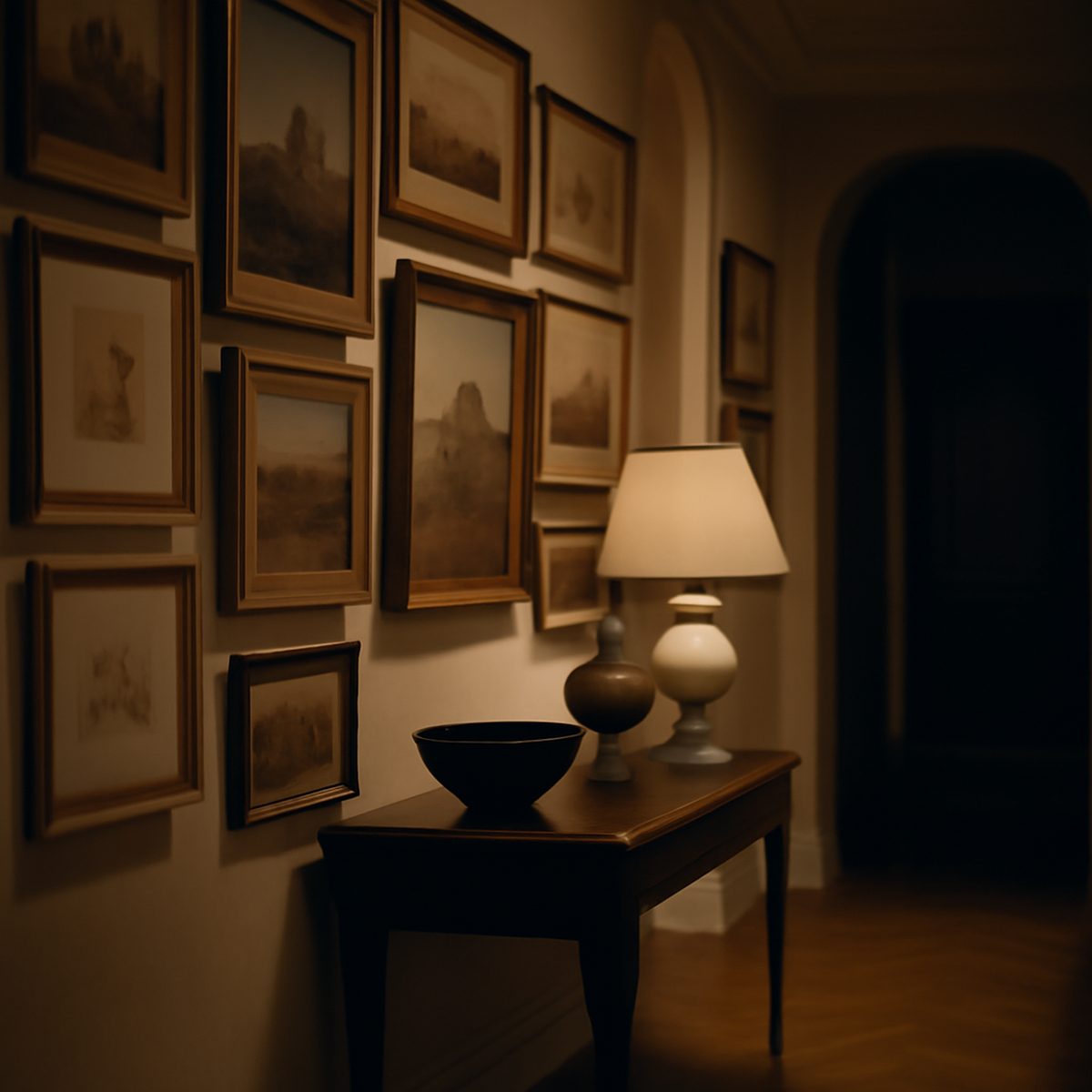
Art is the decision most households defer longest in furnishing a home, and understandably so: unlike a sofa or a dining table, it carries no obvious functional brief to guide the choice, only taste, and taste feels riskier to get wrong in public. The result is that many otherwise beautifully considered Singapore homes end up with bare walls years after everything else has been settled, or worse, with art bought in a hurry to fill a gap rather than chosen with any real conviction. Neither outcome is necessary.
Buy what you respond to, not what matches
The single most common mistake is choosing art to match a sofa or a colour scheme, treating it as one more decorative element to be coordinated rather than the one thing in a room genuinely allowed to have its own point of view. Art chosen this way tends to feel inert within a year or two, however well it matched at the point of purchase, because it was never chosen for itself. A better starting question is simply whether a piece holds your attention on a second and third look, days apart, rather than whether its palette happens to echo the curtains.
This doesn’t mean colour is irrelevant — a room’s existing palette is a reasonable tie-breaker between two pieces you love equally — only that it should never be the deciding factor on its own.
It is also worth resisting the pressure to have an immediate, articulate opinion about why a piece works. Some of the most rewarding purchases we have heard described came from an instinct the buyer couldn’t fully explain at the time, a pull toward a piece that only made sense months later, once it had been lived with. Trusting that instinct, rather than waiting for a fully formed rationale before committing, tends to produce a more interesting collection over time than one assembled purely on defensible logic.
Matching scale to the room and the wall
Undersized art is the second most common failure, a single small piece lost on a large expanse of wall, looking apologetic rather than intentional. As a rough starting rule, a piece of art hung alone should occupy roughly two-thirds the width of the furniture it sits above — a sofa or console table, say — rather than a fraction of it. Where a single piece large enough to fill that space isn’t available or affordable, a considered grouping of several smaller works, hung with genuine attention to spacing, achieves a similar visual weight.
- Above a sofa or console: roughly two-thirds the furniture’s width, hung with its centre at eye level for someone standing.
- A stairwell or hallway: a considered gallery wall rather than a single piece, since the eye moves through this kind of space rather than settling.
- A bedroom: something quieter and less demanding of attention than a piece for a living or dining area, given the room’s different purpose.
Our feature on the art of the gallery wall covers the grouping approach in detail, including the spacing and alignment principles that separate a considered gallery wall from a haphazard cluster of frames.
Starting a collection without a large budget
There is a persistent assumption that meaningful art collecting requires significant capital from the outset, which keeps many households from starting at all. In practice, a growing scene of accessible print releases, degree shows, and smaller regional galleries across Singapore and the wider region makes it entirely possible to buy genuinely original, well-made work at a modest budget, provided you’re willing to look beyond the most obvious, established names. Our guide on how to start collecting art, sensibly covers where to look and what questions to ask a gallery before a first purchase, and art for the home, on any budget makes the wider case for starting small and building a collection’s confidence over time.
“The best collections I’ve seen were never bought for investment,” a Singapore gallerist told us. “They were bought because the owner couldn’t stop thinking about the piece. That instinct is worth trusting more than any advice about resale value.”
Framing, the decision that’s easy to skip
A striking piece of art can be genuinely undermined by cheap or mismatched framing, and it is worth budgeting for proper framing as part of the purchase rather than as an afterthought. A simple, well-proportioned frame in a material that suits the room’s broader palette will almost always serve a piece better than an ornate or trend-driven choice that competes for attention with the work itself. For photography or works on paper in particular, UV-protective glazing is worth the additional cost in Singapore’s intense light, which fades unprotected paper considerably faster than most owners expect.
Lighting a collection properly
A piece of art hung under the wrong light can lose most of its impact, regardless of how carefully it was chosen or framed. Direct sunlight should be avoided entirely, both for the fading it causes and the harsh, flattening glare it creates across a glazed surface, but a room with no dedicated art lighting at all leaves a piece equally underserved once evening falls. A single well-aimed picture light or a discreet track fitting, angled to avoid glare off the glass, brings out the texture and depth in a way ambient room lighting alone rarely manages.
Humidity is a genuine, practical concern for art in Singapore that owners elsewhere rarely have to consider. Works on paper, in particular, are vulnerable to mould and foxing in a persistently damp room, and a piece hung on an external wall without adequate air circulation behind the frame can develop problems within a few humid months. A small gap between the frame and the wall, achieved with simple foam spacers, allows air to circulate and considerably reduces this risk, a detail worth requesting explicitly from a framer rather than assuming it has been handled.
Living with art rather than merely owning it
The households that get the most genuine pleasure from their art tend to treat it as something that can move, be reconsidered, and occasionally be swapped between rooms as taste evolves, rather than fixed permanently the day it’s hung. A piece that has lost its spark in a living room can find new life in a study or hallway, and a willingness to keep rearranging is often the difference between a collection that stays alive and one that quietly fades into the background of a house. For more on building rooms with genuine character, visit our Homes & Culture section.
Priya tours the homes most people only glimpse from the road, and asks how they are really lived in.


