How to Choose Kitchen Worktops
Chosen last and touched most, the kitchen worktop deserves real thought. A guide to stone, quartz, and timber, matched to how a household actually cooks.
 By Priya Nair
30 August 2026 · 6 min read
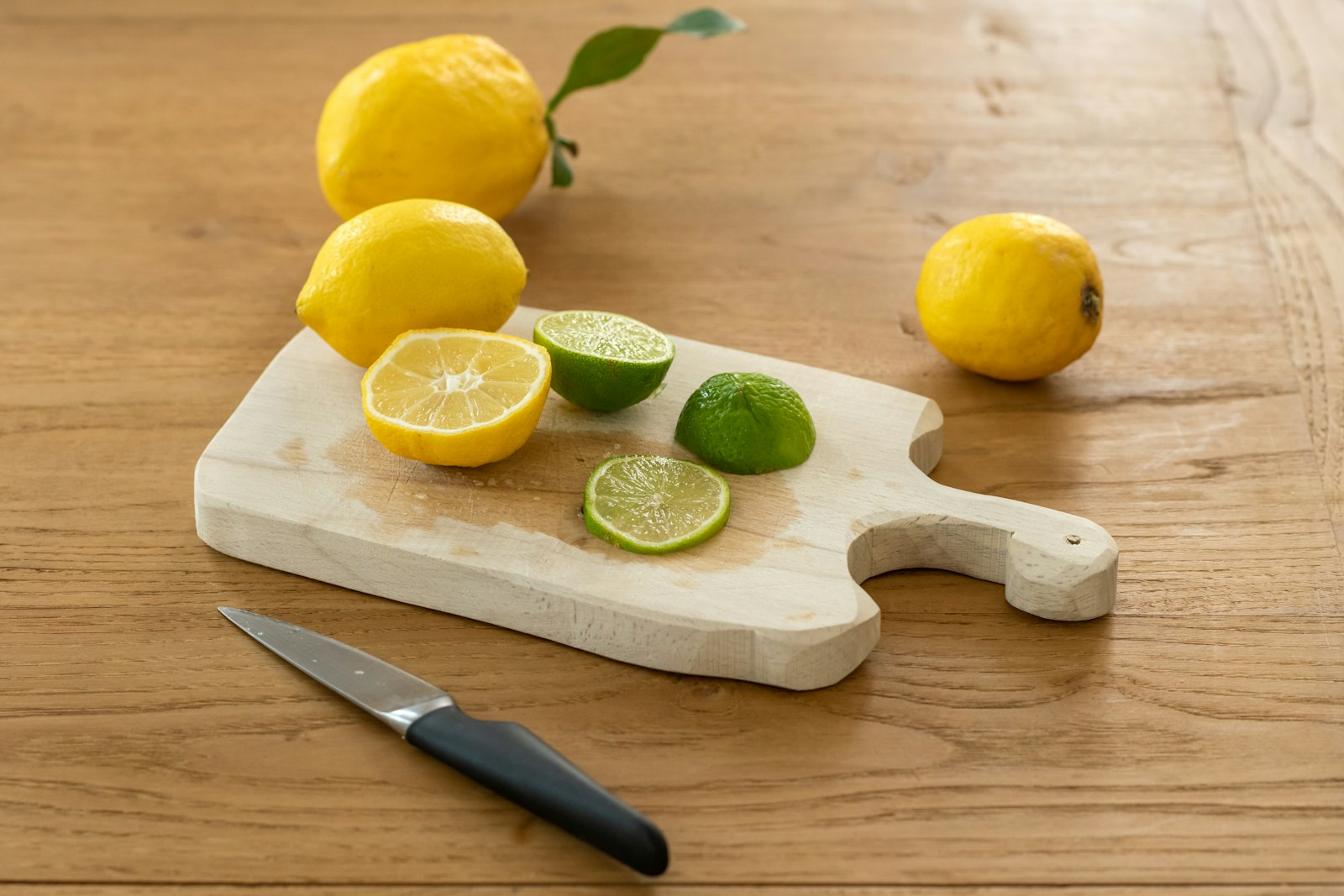
The kitchen worktop takes more daily abuse than almost any other surface in a home — hot pans, wine spills, a knife edge dragged carelessly across it at the end of a long day — and yet it is often chosen last, after the cabinetry and the appliances have already consumed the budget’s attention. That ordering is backwards. The worktop is what your hand actually touches every time you cook, and it deserves to be chosen for how it performs over a decade, not merely how it photographs on the day the kitchen is finished.
Natural stone: beauty with a maintenance contract
Marble remains the material most people picture when they imagine a beautiful worktop, and for good reason — the veining is genuinely without equal. It is also porous and reactive to acid, meaning a splash of lemon juice or red wine left too long can etch the surface permanently. Sealing marble annually, and accepting that it will show its age over years, is part of owning it honestly. Granite, by contrast, is harder and considerably more resistant to both heat and staining, making it the more practical natural-stone choice for a kitchen that sees real daily cooking rather than occasional entertaining.
Engineered stone: the practical middle ground
Quartz worktops — engineered from crushed natural stone bound with resin — have become the default recommendation for good reason. They resist staining, scratching, and heat far better than marble, require no sealing, and now come in patterns convincing enough to mimic natural stone closely. The trade-off is a slightly less organic, more uniform appearance up close, and a genuine vulnerability to very high heat if a hot pan is set directly on the surface without a trivet. For a kitchen that gets used daily rather than admired occasionally, quartz remains the most defensible choice on pure performance grounds.
Timber and butcher block
A timber worktop, oiled regularly, brings a warmth that no stone surface quite matches, and it is genuinely pleasant to work directly on with a knife — something no stone counter can claim. The maintenance is real, however: regular oiling, careful attention around the sink to prevent water damage, and an acceptance that knife marks and water rings will become part of its character over time rather than flaws to eliminate. Many households use timber selectively, as an island top or a baking station, paired with a more resilient stone or quartz surface around the sink and hob. This pairs naturally with the thinking in the kitchen island, reconsidered, where the island often carries a different material logic to the perimeter counters.
Stainless steel, for the serious cook
Rare in residential kitchens outside professional-leaning households, stainless steel is close to indestructible, entirely non-porous, and shrugs off heat without a second thought. Its industrial look does not suit every home, but for a household that genuinely cooks at volume rather than styling a kitchen for appearances, it remains the most honest material choice available.
Matching the worktop to how you actually cook
- Heavy daily cooking, minimal fuss: quartz or granite, chosen for resistance over romance.
- Occasional cooking, frequent entertaining: marble, where its beauty is on show more often than its vulnerability is tested.
- A dedicated baking or prep zone: a timber section, oiled and maintained, alongside a more resilient primary surface.
The right worktop should also work with the rest of the kitchen’s material story — our piece on the best materials for a timeless kitchen covers how cabinetry, flooring, and countertop choices should read as one considered whole rather than three separate decisions made in isolation.
“Most people choose a worktop with their eyes and live with it with their hands,” a Singapore kitchen designer told us. “Test a sample at home for a week before committing, not just under a showroom light.”
Edge profiles and thickness, the details that read as quality
Beyond the material itself, the edge profile has an outsized effect on how a worktop reads visually. A simple pencil or eased edge suits a minimal, contemporary kitchen, while a bullnose or waterfall edge, where the stone wraps continuously down the side of an island, gives a more sculptural, considered look at proportionally greater cost. Thickness matters too: a slimmer profile, around two centimetres, reads as sleeker and more modern, while a thicker slab, laminated to appear even more substantial, lends a sense of weight and permanence that suits larger, more traditional kitchens. Neither is objectively correct; the choice should follow the character of the kitchen it sits within rather than whatever is currently fashionable.
The seam question
Very few worktops arrive as a single unbroken slab, particularly around a large island or an L-shaped run of cabinetry. Where seams are unavoidable, ask your fabricator to position them at the least visually prominent point — typically away from the sink and hob, where daily use and lighting would otherwise draw the eye to the join. A well-executed seam in quartz or granite is nearly invisible once polished; a poorly planned one becomes a permanent visual interruption every time you stand at the counter.
Installation matters as much as material
Even the best material choice can be undermined by a rushed installation. Ask any fabricator how the worktop will be supported around the sink cut-out, where the material is at its most vulnerable to cracking, and whether the substrate beneath is level enough to prevent hairline stress fractures forming over the following months. A worktop is only as good as the hands that template, cut, and fit it, which is worth remembering when comparing quotes that differ mainly on installation speed rather than material quality.
A decision worth slowing down for
Unlike paint or soft furnishings, a worktop is expensive and disruptive to replace, which makes it one of the few kitchen decisions worth genuinely agonising over before committing. Request physical samples, leave them in your own kitchen light for several days, and test them against a hot pan and a squeeze of lime before signing off. For more on building a kitchen that performs as well as it photographs, visit our Homes & Culture section, where practicality is never treated as the enemy of beauty.
Priya tours the homes most people only glimpse from the road, and asks how they are really lived in.