
How to Choose and Use Candlenut
Roasted first, then pounded into a rempah, candlenut brings body rather than flavour, a quietly essential ingredient that Peranakan cooking depends on entirely.
 By Renée Tan
1 September 2026 · 6 min read
By Renée Tan
1 September 2026 · 6 min read
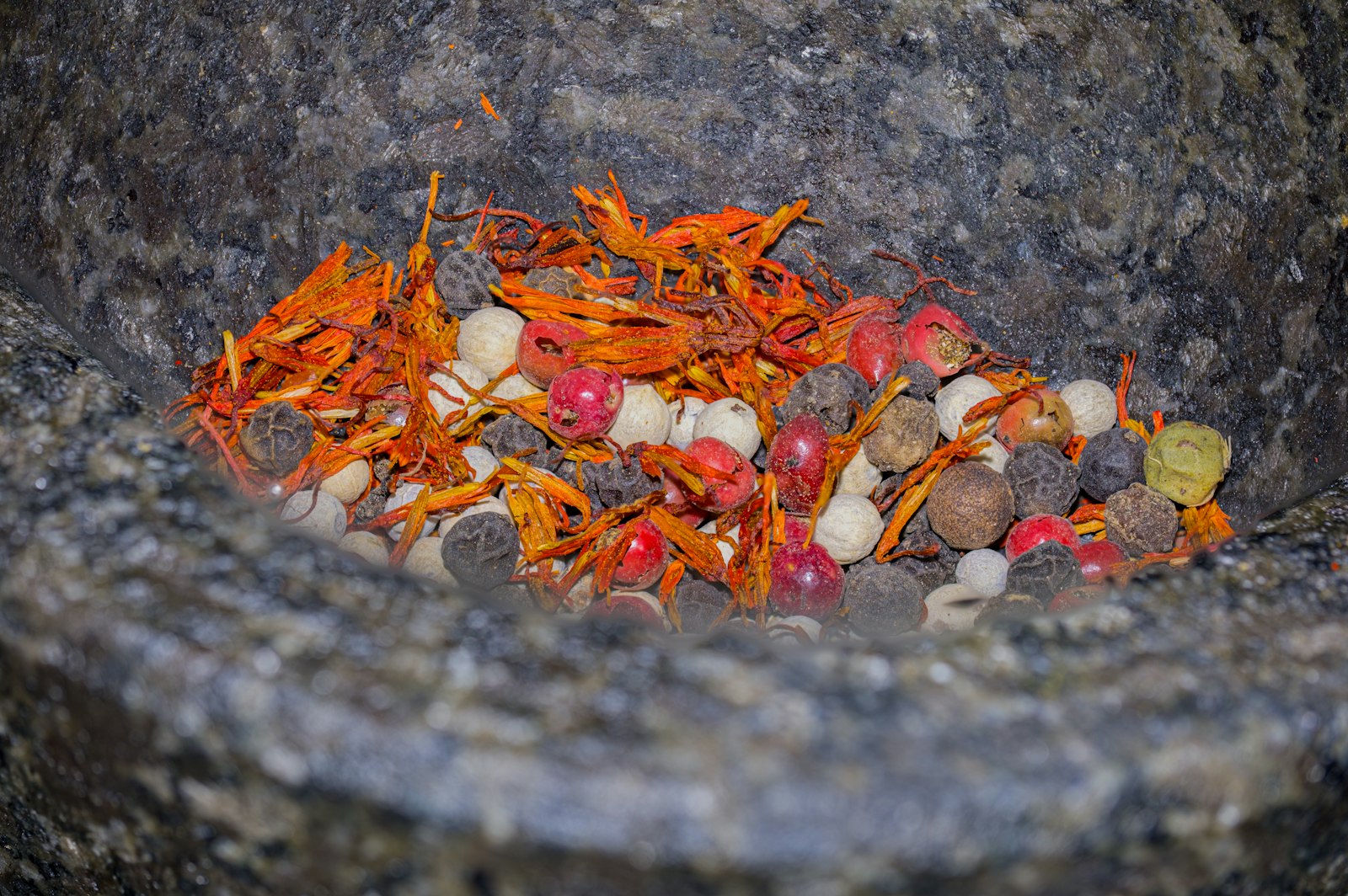
Candlenut, known locally as buah keras, is one of those ingredients that does its job without ever announcing itself. Unlike chilli or galangal, which declare their presence the moment they hit a dish, candlenut contributes almost no flavour of its own — what it brings instead is body, a subtle richness and thickening quality that gives a rempah, the pounded spice paste at the heart of so much Peranakan and wider Southeast Asian cooking, its characteristic silky density. Understanding what candlenut actually does, rather than what it tastes like, is the first step to using it well.
What Candlenut Actually Is
The candlenut is the waxy, oily seed of the Aleurites moluccanus tree, native across Southeast Asia and the Pacific, and historically used — as its name suggests — as a source of fuel, burned like a candle for its high oil content. That same oiliness is what makes it so useful in the kitchen: pounded into a paste, candlenut releases fat that binds a rempah together and gives curries and braises a rounder, more velvety mouthfeel than chilli and aromatics alone could produce. It bears a passing resemblance to the macadamia, and macadamia is sometimes used as a substitute where candlenut isn’t available, though the flavour and fat content aren’t quite identical.
Buying and Storing Candlenut Well
- Look for nuts that are pale cream in colour and feel heavy for their size — a sign of good oil content and freshness.
- Avoid any that look dry, shrivelled or greyish, which suggests they’ve been sitting too long and the oils have started to turn.
- Because of their high fat content, candlenuts turn rancid faster than most other pantry nuts — buy in small quantities and store in the refrigerator or freezer rather than a warm kitchen cupboard.
- Raw candlenuts contain compounds that are mildly toxic in large quantities and should always be cooked before eating — never taste them raw while cooking, unlike some other spice-paste ingredients.
A Note on Sourcing in Singapore
Fresh candlenuts can be found at most wet markets across Singapore, typically sold shelled and pre-cracked given how labour-intensive removing the tough outer shell can be by hand. Some Peranakan and Indonesian grocers stock them alongside other rempah staples like galangal and dried shrimp paste, which is often the more convenient option for cooks assembling a full spice-paste shopping list in one stop. Buying from a stall with reasonably high turnover matters more here than with most other pantry items, given how quickly candlenut’s oils can turn once exposed to air, so a market corner that clearly moves through stock regularly is usually the safer choice over one with jars that look like they’ve sat untouched for weeks.
Using It in a Rempah
Most recipes call for candlenuts to be toasted or dry-roasted lightly before pounding, which both deepens their flavour slightly and reduces the raw, faintly bitter edge they can otherwise carry. From there, they’re typically ground together with shallots, garlic, galangal, turmeric and chilli into a wet paste, then fried slowly in oil until fragrant — a process that draws out candlenut’s fat and helps the whole rempah come together into a cohesive, glossy base for whatever curry or braise follows. Getting the ratio right matters: too much candlenut and a dish turns heavy and slightly greasy; too little and the sauce can taste thin, lacking the body that makes so many Peranakan curries feel substantial despite fairly restrained ingredient lists.
“My mother always said you could taste a lazy rempah,” one home cook told me, working a mortar and pestle by hand rather than reaching for a blender. “Candlenut needs to actually be crushed, not just chopped. The oil has to come out properly or it does nothing.”
Where Candlenut Shows Up on Singapore Menus
Candlenut is a quiet fixture of the Peranakan kitchens driving much of the island’s current interest in heritage cooking, and diners keen to taste it done with real skill should look to the chefs reinventing Peranakan fine dining, several of whom have built entire tasting menus around the slow, patient rempah tradition candlenut belongs to. It sits within a much broader Southeast Asian spice pantry worth understanding on its own terms — a subject covered more fully in a guide to choosing and using dried spices and, for readers wanting the fuller regional picture, a field guide to Southeast Asian spice, which places candlenut alongside the galangal, turmeric and tamarind it’s so often cooked alongside.
A Note on Substitutes and Common Mistakes
When candlenut isn’t available, macadamia nuts are the most widely recommended substitute, given their comparable fat content and mild flavour, though some cooks reach for raw cashews in a pinch, accepting a slightly different, sweeter result. What doesn’t work well as a substitute is any pre-roasted, salted nut intended for snacking, since the added salt and deeper roast throw off the delicate balance of a rempah built around candlenut’s specific mildness. A common mistake among less experienced home cooks is skipping the toasting step entirely, assuming raw candlenut can go straight into the mortar — this produces a noticeably flatter, occasionally slightly bitter rempah, since toasting is what coaxes out the nut’s fuller flavour and reduces its raw edge.
Another frequent error is over-blending in a food processor rather than working the paste by hand or in stages, which can overheat the nut’s natural oils and cause the rempah to separate or turn greasy during frying rather than binding smoothly. Cooks new to candlenut are often surprised by how much of a rempah’s final texture depends on this single ingredient being handled correctly — get it right, and a curry gains a silkiness that’s difficult to achieve any other way; get it wrong, and the same curry can taste thin or, conversely, unpleasantly oily, despite an otherwise well-balanced spice mix.
A Small Ingredient Worth Understanding
Candlenut will never be the star of a dish, and that is precisely the point — its job is structural rather than expressive, closer to what butter does in a French sauce than what a fresh herb does at the end of cooking. Once you understand that role, it becomes far easier to use with confidence, whether toasting a handful for a home-cooked curry or simply recognising, at the table, why a well-made rempah tastes so much richer than one built from chilli and aromatics alone. For more of the island’s essential eating and drinking, visit Dining & Drinks.
Renée has covered Singapore's restaurants for over a decade, with a soft spot for the kitchens most people walk past.


