
How to Choose and Store Cheese at Home
Good cheese dies fast in a Singapore fridge if you let it. A practical guide to choosing, wrapping and storing cheese properly in a humid climate.
 By Renée Tan
30 August 2026 · 6 min read
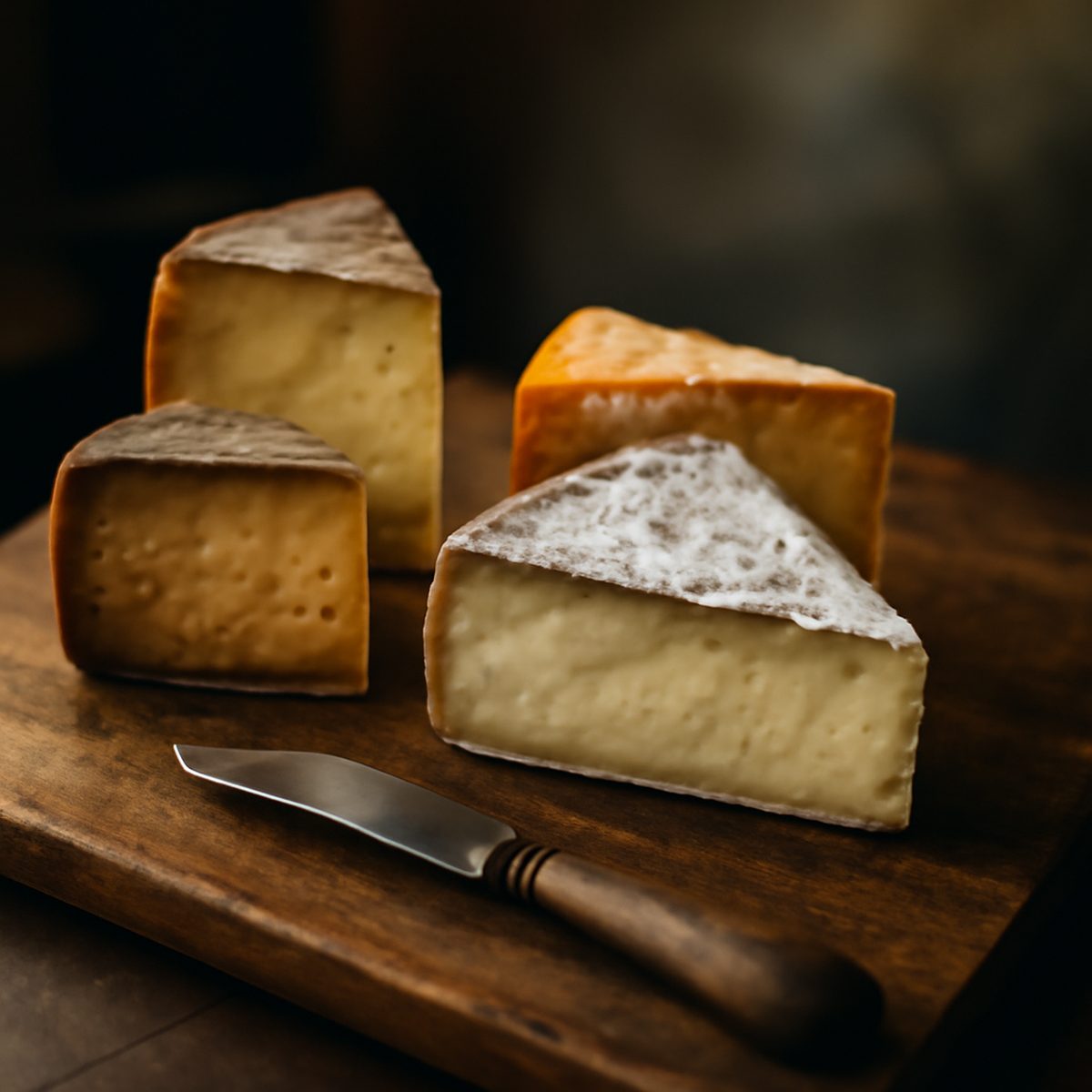
Singapore’s climate is, without exaggeration, one of the more hostile environments in the world for storing cheese at home. Heat and humidity are the two conditions cheese fears most, and the tropics offer both in abundance the moment a wedge leaves a properly climate-controlled fridge. This does not mean good cheese cannot be kept and enjoyed here — it simply means the margin for error is smaller, and a handful of habits picked up from cooler climates need to be unlearned or adjusted before they ruin an otherwise excellent purchase.
The Wrapping Mistake Almost Everyone Makes
Plastic cling film is the single most common way home cooks accidentally kill good cheese. It traps moisture against the rind, suffocates the cheese’s ability to breathe, and often imparts a faint plastic taint to softer varieties over time. Proper cheese paper — a two-layer construction of waxed and porous paper, sold specifically for this purpose — allows the cheese to release excess moisture while still protecting it from drying out entirely. Where cheese paper is not available, a reasonable substitute is parchment paper loosely wrapped, followed by a layer of foil or a partially sealed container, leaving some room for air exchange rather than sealing the cheese in an airtight environment.
Hard cheeses are somewhat more forgiving than soft ones, tolerating slightly tighter wrapping without significant harm. Soft, rind-washed and blue cheeses are considerably less forgiving, and are usually best bought closer to when they will actually be eaten rather than stocked for later.
Where in the Fridge Actually Matters
Most home fridges are set considerably colder than ideal cheese storage temperature, which sits somewhere between four and eight degrees Celsius for most varieties. The vegetable crisper drawer, with its slightly higher humidity and more stable temperature, tends to be the best available option in a standard fridge — better than the door, which suffers from significant temperature swings every time it opens, and better than shelves near the back, which often run colder than the display suggests. A dedicated cheese drawer or a small, separate cheese fridge, increasingly popular among serious home enthusiasts, solves this problem entirely by allowing precise control over both temperature and humidity, though it is admittedly a significant investment for what is, for most households, an occasional pleasure rather than a daily necessity.
“The biggest issue in Singapore isn’t storage time, it’s storage temperature consistency,” one cheesemonger running a small specialist shop near Dempsey told us. “People leave cheese out on the counter during a hot afternoon and wonder why it’s sweating by dinner.”
Buying in the Right Quantity
Given the storage challenges, buying cheese in smaller quantities more frequently is generally the better strategy in this climate than stocking up for a large gathering weeks in advance. A wedge bought a day or two before a dinner party, stored properly in the interim, will taste noticeably better than the same cheese held for two weeks even under good conditions. This runs somewhat counter to the instinct many home cooks develop in cooler climates, where cheese can be reasonably held for longer stretches without significant quality loss. Our guide to the fromageries and cheese rooms worth knowing is a useful starting point for finding shops that turn over stock quickly and can advise on realistic timelines for specific varieties.
Serving Temperature Changes Everything
Cheese served straight from a cold fridge tastes muted and underdeveloped compared with the same cheese allowed to come closer to room temperature before serving — generally thirty minutes to an hour, depending on size and variety, though Singapore’s ambient warmth means this process happens considerably faster here than in a temperate climate, and cheese should be watched rather than left out on a fixed timer. Hard cheeses benefit most dramatically from this resting period, their fuller flavour and aroma only really emerging once the fats begin to soften slightly.
Reading a Cheese Before You Buy It
A good cheesemonger will let you taste before committing, and this habit is worth insisting on even for varieties you think you already know well, since the same named cheese can vary considerably between suppliers, ageing periods and even individual wheels. Look for a rind that is intact and free of cracking, a paste that gives slightly under gentle pressure for softer varieties, and an aroma that reads as complex rather than simply sharp or ammoniated — the latter being a common sign of a cheese that has been held too long or stored at too warm a temperature before reaching the counter. Hard cheeses should show some give at the very edge without crumbling apart, and any visible moisture on the surface of a hard cheese, rather than the intended bloom of a soft one, is generally a warning sign rather than a feature.
It is also worth asking directly how long a given wedge has been cut and displayed, particularly for softer varieties that degrade fastest once exposed to air and the fridge’s constant airflow. A shop willing to answer this specifically, rather than deflecting the question, is generally one that takes its stock rotation seriously — a good proxy for overall quality across the rest of the selection too.
A Few Practical Rules
- Buy less, more often. Freshness matters more than having a stocked cheese drawer at all times.
- Rewrap in fresh paper after each use, rather than returning cheese to its original packaging, which accumulates moisture and odour over repeated openings.
- Let cheese rest at room temperature before serving, but monitor it closely given the local climate rather than leaving it out unattended.
- Separate strong and mild cheeses in storage where possible; strong varieties can transfer aroma to milder neighbours even through packaging.
For those looking to build genuine expertise rather than simply store cheese competently, our piece on building a cheese board worth sharing covers selection and pairing in more depth, and our guide to matching wine and cheese rounds out the picture for anyone hosting properly. None of this requires elaborate equipment or a dedicated cheese fridge to get right — mostly it requires attention, a willingness to buy less and more often, and a bit of patience with a climate that does not make things easy. Explore more of the island’s essential home rituals across our Dining & Drinks section.
Renée has covered Singapore's restaurants for over a decade, with a soft spot for the kitchens most people walk past.


