Forty-Eight Hours in Matsumoto
Matsumoto rewards travellers willing to slow down — a black castle, a serious craft scene, and mountains close enough for an afternoon detour.
 By Marcus Lim
30 August 2026 · 6 min read
By Marcus Lim
30 August 2026 · 6 min read
Matsumoto tends to get treated as a stopover — a brief detour for travellers heading deeper into the Japanese Alps, given an afternoon at most before moving on. That is a mistake. The city holds one of Japan’s most striking original castles, a genuinely serious craft and gallery scene built around a strong local pottery and woodworking tradition, and a compact, walkable centre that rewards two unhurried days considerably more than a rushed half-day ever could. Set against the Northern Alps, with clean mountain air and a slower pace than Tokyo or Kyoto, it makes a genuinely worthwhile base rather than a mere waypoint.
Day one: the castle and the old town
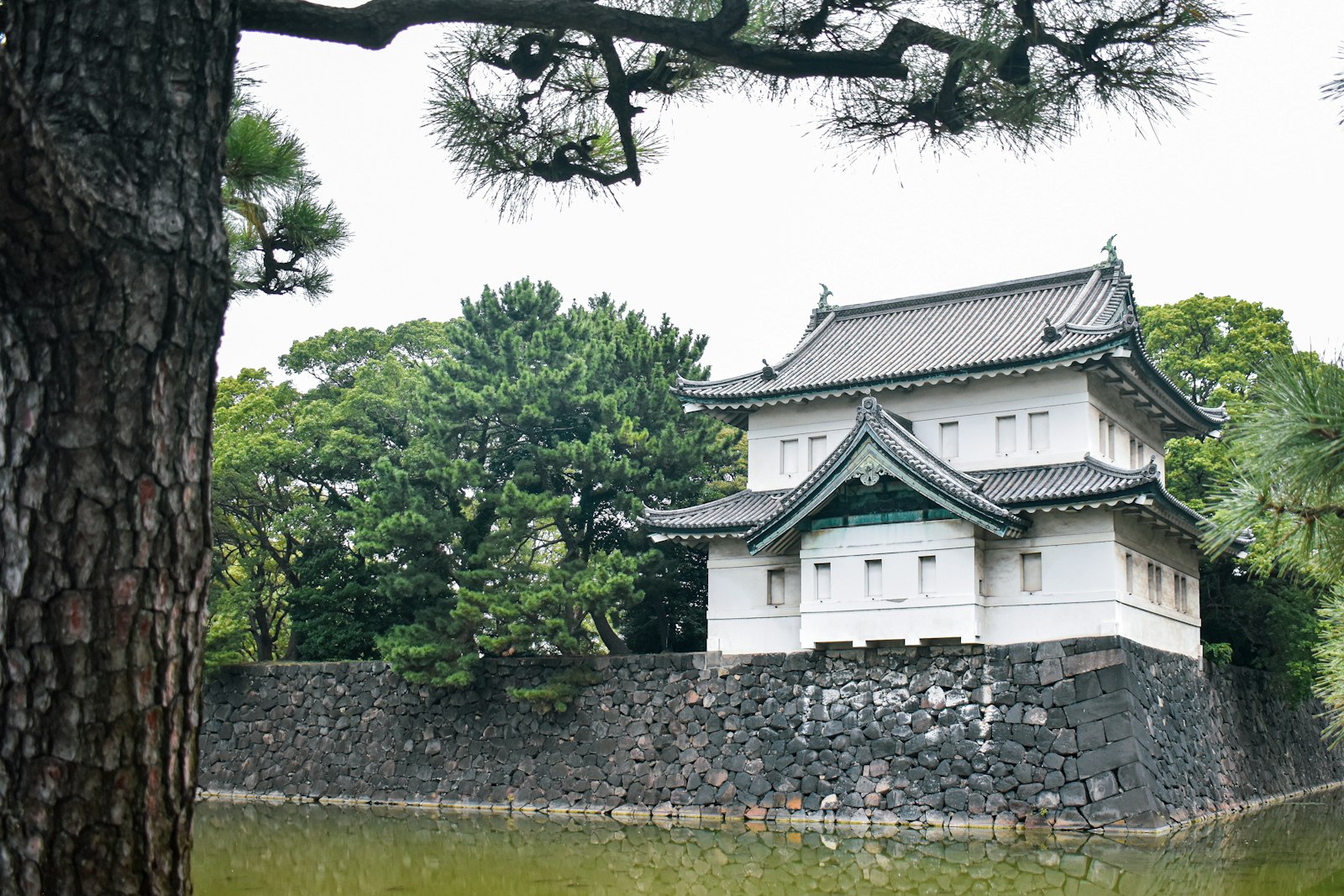
Matsumoto Castle, one of only a handful of Japan’s original castles to survive intact rather than being rebuilt after fire or war, deserves the whole morning rather than a rushed hour. Its black exterior — earning it the nickname Crow Castle — sets it apart visually from the more common white-walled castles found elsewhere in the country, and the steep original wooden staircases inside, narrow and worn smooth by centuries of use, are worth the climb for the views over the surrounding moat and mountains beyond. Arrive early, ideally at opening, both to beat the crowds and to catch the castle reflected in the moat under still morning light, before wind picks up later in the day. Another of those surviving original castles crowns a hill on Shikoku, and forty-eight hours in Matsuyama pairs it with a similarly relaxed city break.
The afternoon belongs to Nakamachi, the old merchant quarter, its whitewashed kura storehouses now home to small galleries, craft shops and cafés. Matsumoto has a genuinely strong local craft tradition, particularly in woodworking and lacquerware, and the shops here sell work from local artisans rather than mass-produced souvenirs aimed at passing tourists — worth a slow browse rather than a quick pass-through. End the day at a small, family-run soba restaurant; the region’s cold mountain water and buckwheat-growing conditions produce some of the better soba in the country, and a proper bowl, served simply with dipping sauce rather than elaborate toppings, is the correct way to close a first day in the city.
Day two: craft, culture and the mountains beyond
Start the second day at the Matsumoto City Museum of Art, home to a notable collection connected to Yayoi Kusama, who was born in the city — a worthwhile stop even for travellers not usually drawn to contemporary art, given the strength of the specific holdings here. From there, the city’s craft fair, held regularly and drawing artisans from across the region, is worth timing a visit around if the dates align, offering direct access to potters, weavers and woodworkers whose work otherwise only appears in galleries.
Those with time for a half-day excursion should consider a trip into the surrounding mountains — the region sits close enough to onsen towns for a genuinely restorative afternoon soak before returning to the city for the evening. Readers planning this kind of detour should read our guide to onsen etiquette and culture beforehand, since first-time visitors to a traditional bathhouse benefit considerably from understanding the unwritten rules before arriving. Those extending the trip further into ryokan territory will find our guide to the onsen ryokan worth the journey a useful next step, several of which sit within a comfortable train ride of Matsumoto itself.
“Most people give the castle an hour and leave,” a Matsumoto-based craft gallery owner told us. “They miss almost everything that makes the city worth visiting beyond it.”
Where to stay and eat
A small, well-run inn near the old town offers a genuinely comfortable base without the scale or anonymity of a larger hotel, and its proximity to Nakamachi makes the craft district an easy evening walk after dinner. For food beyond soba, the city’s izakaya scene is worth exploring on the second evening — smaller, more local places tucked down side streets tend to outperform anything closer to the station aimed at passing travellers. Those wanting to extend their exploration of Japan’s smaller, less obvious cities beyond Matsumoto should read our piece on the islands of Japan, beyond Okinawa, which applies the same logic — that Japan’s most rewarding travel often lies beyond its most famous destinations — to an entirely different part of the country.
Getting there and getting around
Matsumoto is a comfortable train journey from either Tokyo or Nagoya, making it a genuinely practical addition to a wider Japan itinerary rather than requiring a dedicated separate trip. The city centre itself is compact enough to cover almost entirely on foot, with the castle, old town and museum district all within a manageable walking radius of one another — a rare convenience in a country where distances between attractions can otherwise eat up considerable travel time. For another short trip within easy reach of Tokyo, our forty-eight hours in Nikko follows a similar pace through shrines and mountain air.
The best time of year to go
Matsumoto rewards visits across most of the year, though each season shifts the character of the trip considerably. Autumn brings the surrounding mountains into vivid colour, visible from the castle grounds themselves, and the crisp air makes the old town’s outdoor cafés particularly pleasant. Winter, colder and quieter, thins the crowds noticeably and pairs well with a nearby onsen detour, the contrast between cold mountain air and hot spring water part of the appeal. Spring brings cherry blossoms around the castle moat, arguably the single most photographed scene the city offers, though it also brings the largest crowds of the year, worth factoring into any early-morning visit planning. Summer, while warmer, offers the longest daylight hours for exploring the surrounding countryside, useful for anyone planning a fuller day trip into the mountains beyond the city centre.
Whichever season, booking accommodation in the old town rather than near the station pays off considerably — the short walk difference translates into a noticeably better sense of the city’s rhythm, away from the more transient, station-adjacent hotel district that most rushed day-trippers default to without much thought.
A city that rewards slowing down
Matsumoto’s appeal lies precisely in its refusal to rush the traveller — a black castle best appreciated at an unhurried pace, a craft scene that requires browsing rather than skimming, mountains close enough to fold into a longer stay without requiring one. Two days is enough to appreciate all of it properly, considerably more than the rushed afternoon most itineraries currently allow. Explore more of the region’s considered travel in our Travel & Stays section.
Marcus writes on travel and hospitality across Asia, and is happiest a long way from a lobby.