The Onsen Ryokan Worth the Journey
A great onsen ryokan is judged on details a hotel review rarely mentions. Here is what actually separates a memorable stay from a merely scenic one.
 By Marcus Lim
29 August 2026 · 6 min read
By Marcus Lim
29 August 2026 · 6 min read
A ryokan is not simply a hotel with a hot spring attached, and treating it as one is the surest way to misunderstand what makes the best of them genuinely exceptional. The ryokan tradition predates the modern hotel entirely, built around a specific rhythm — arrival, bathing, a kaiseki dinner served in courses timed to the guest’s own pace, sleep on a futon laid out while dinner is cleared, an early morning bath before breakfast. Understood this way, a stay at a serious ryokan is less a hotel booking than a short, deliberate immersion in a particular way of living, and the ones worth travelling for honour that rhythm completely rather than diluting it for convenience.
What actually separates a great onsen ryokan
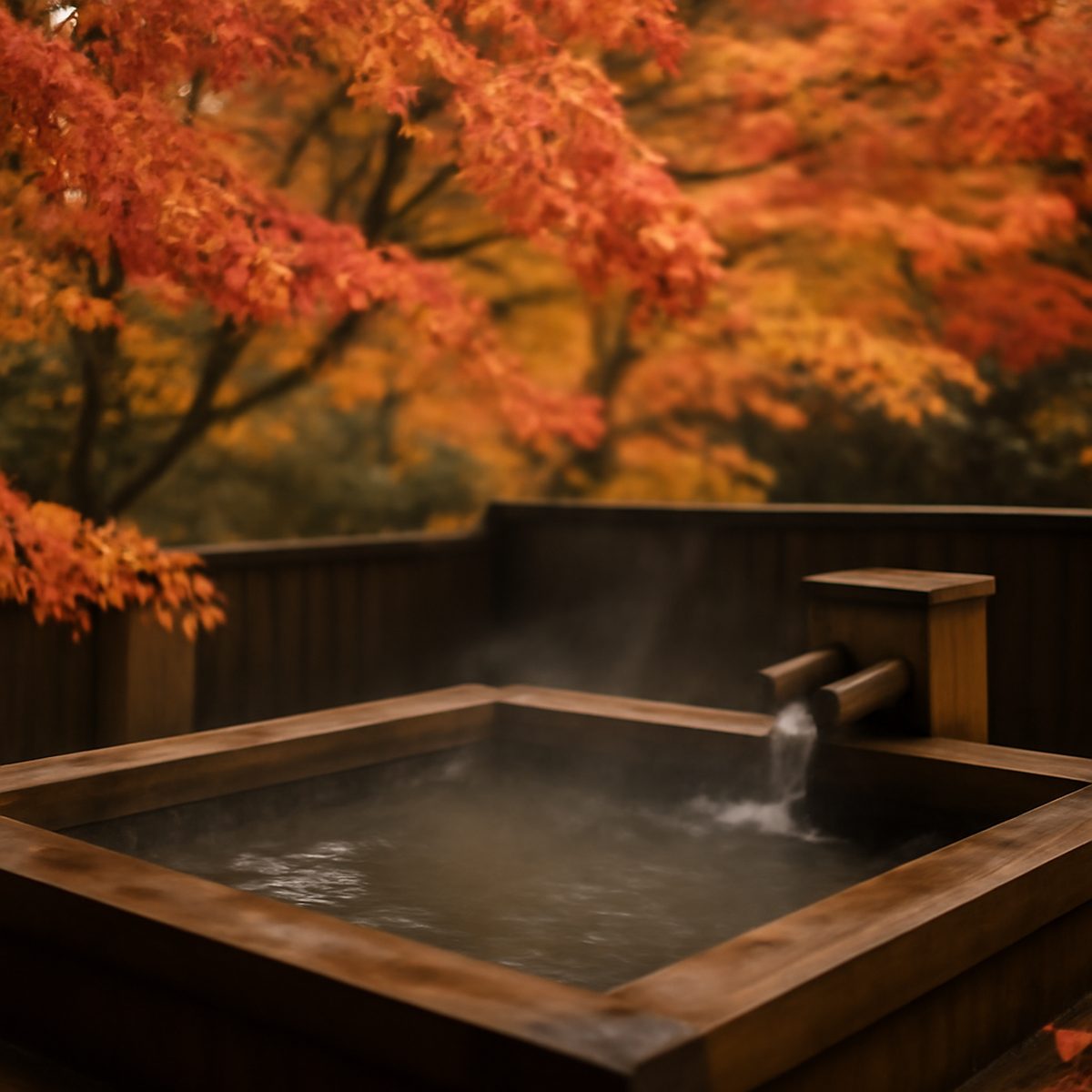
The mineral composition and temperature of the source water matters more than most first-time visitors realise — different regions produce distinctly different water, from the sulphuric, faintly egg-scented springs of certain volcanic areas to the softer, silkier waters found elsewhere, each associated with different traditional benefits and a genuinely different bathing experience. Beyond the water itself, the setting matters enormously: an outdoor rotenburo bath surrounded by forest or overlooking a valley delivers something an indoor bath, however well-appointed, simply cannot. The best properties orient their entire architecture around the bathing experience rather than treating it as one amenity among many, in the same way the properties covered in our guide to Asia’s best urban wellness hotels build their whole proposition around a single core discipline.
Kaiseki, and why the dinner matters as much as the bath
A ryokan stay is judged as much on its kaiseki dinner as on its bathing facilities, and the two are more connected than they might first appear — both reflect the same underlying philosophy of seasonal attentiveness and quiet ceremony. A serious kaiseki menu changes not just by season but sometimes by the week, built around whatever is genuinely at its best locally that particular day, served across many small, precisely paced courses rather than a handful of large ones. The best ryokan kitchens treat this with a rigour comparable to any fine-dining tasting menu, despite operating within a far more intimate, traditionally structured format.
What to expect across a typical course sequence
- A seasonal appetiser course, often several small bites rather than one dish.
- A clear soup, judged largely on the quality and clarity of its dashi.
- A sashimi course reflecting whatever is freshest locally that day.
- A grilled or simmered main course, frequently featuring a regional specialty unique to that particular ryokan’s location.
- Rice and pickles served near the end, traditionally signalling the meal’s close.
Etiquette worth knowing before you arrive
Onsen bathing follows a specific, fairly rigid etiquette that is worth understanding before arrival rather than learning through an awkward correction on-site: a thorough wash and rinse before entering the communal bath, no swimwear, hair tied up and kept out of the water, and the small modesty towel kept out of the bath itself rather than dipped in. Tattoos remain a genuinely complicated subject at many traditional properties, still restricted at a number of onsen due to historical associations, though an increasing number of ryokan now offer private or reservable baths that sidestep the issue entirely — worth confirming directly with the property before booking if this applies.
“The bath is only half of it,” one ryokan proprietor in a mountain hot spring town told us. “If the kaiseki isn’t right, the whole stay feels incomplete, no matter how good the water is.”
Choosing where to go
Japan’s onsen regions each have a distinct character worth matching to the kind of trip being planned — some prized for dramatic mountain or coastal settings, others for the particular mineral qualities of their water, others simply for a long, unbroken tradition of ryokan hospitality passed down through the same families for generations. Pairing a ryokan stay with a broader Japan itinerary, perhaps alongside the kind of considered city time described in our piece on a design lover’s guide to Kyoto, gives a fuller sense of the country’s range — the quiet, seasonal intensity of a ryokan stay set against the more urban rhythms of a city like Kyoto or Tokyo.
Worth the detour, and the disconnection
What a two-night stay actually allows
A single night at a serious ryokan is enough to sample the format, but two nights change the experience considerably, allowing for a slower, more repeated engagement with the same bath at different times of day, and a second kaiseki dinner that often differs meaningfully from the first as the kitchen varies its seasonal courses. It also allows time for a proper walk through the surrounding area, whether that means a forest trail, a quiet temple, or simply the town itself, most of which reward unhurried exploration rather than a rushed check-in and check-out. Where a schedule allows for it, the extra night is usually worth the added cost, if only for the chance to properly settle into the property’s rhythm rather than experiencing it as a single, brief immersion.
None of this needs to feel intimidating to a first-time guest. Most ryokan, even the more traditional ones, are well used to welcoming international visitors unfamiliar with the etiquette, and a brief, polite question to staff about anything uncertain is always welcomed over a guess. The properties worth travelling for are, almost without exception, generous teachers as well as generous hosts.
Ultimately, a ryokan stay is one of the few remaining travel experiences built almost entirely around restraint: fewer choices, a fixed rhythm, a schedule set by the property rather than the guest. For travellers used to constant optionality, that can feel unusual at first. By the second bath, most find it is precisely the point.
The best onsen ryokan ask something of their guests that most hotels do not: a willingness to slow down, to follow a rhythm set by the property rather than by a personal itinerary, to be genuinely offline for a night or two. For travellers willing to make that trade, the reward is considerable — a kind of restorative, deeply considered hospitality that has few real equivalents elsewhere in travel and stays. It is, in every sense, worth the journey required to reach it.
Marcus writes on travel and hospitality across Asia, and is happiest a long way from a lobby.