Phuket’s Quiet Side: Where to Stay
Most of Phuket's reputation rests on its busiest beaches. Here is where the island's quieter coastline still delivers, and how to choose a stay accordingly.
 By Marcus Lim
29 August 2026 · 6 min read
By Marcus Lim
29 August 2026 · 6 min read
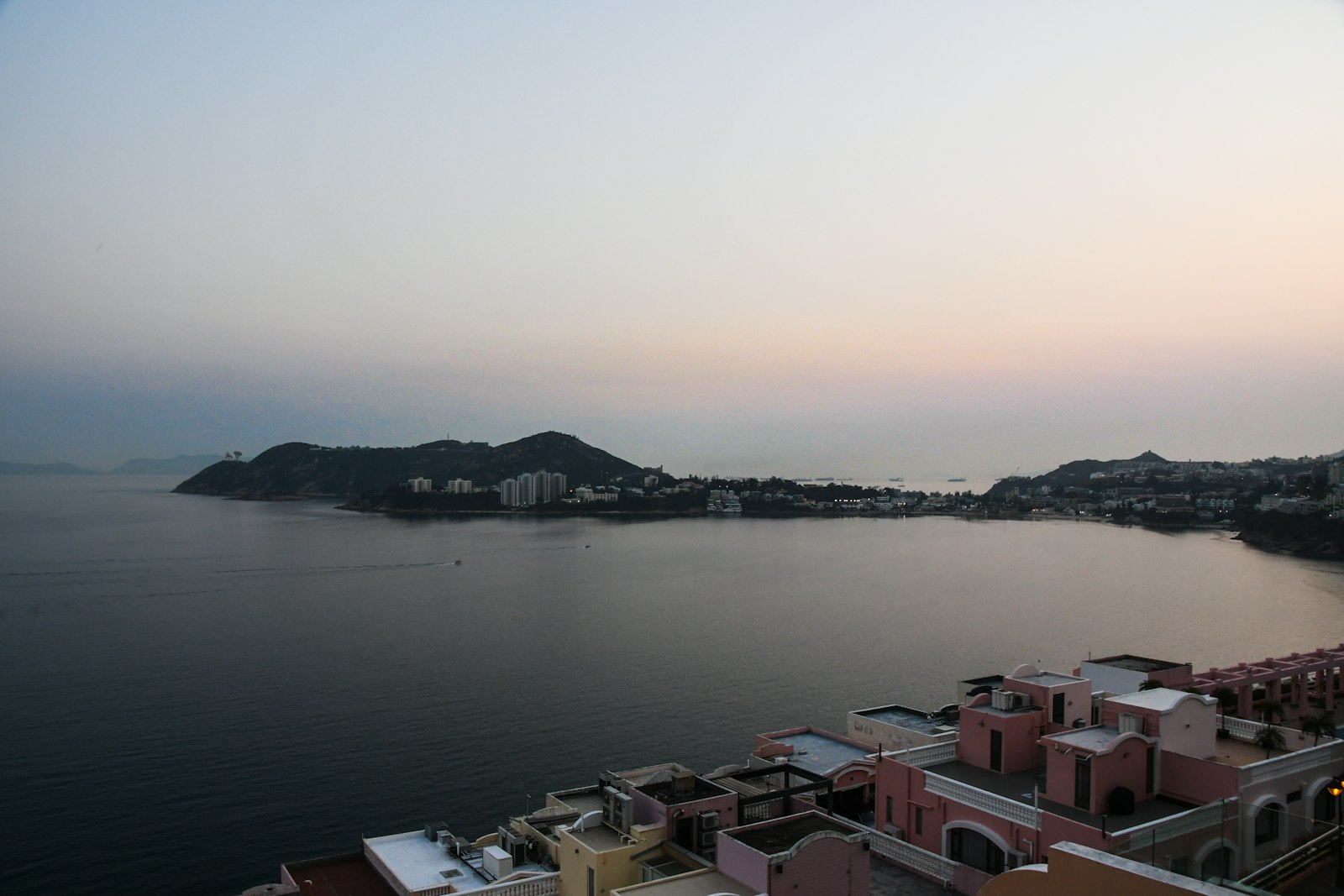
Phuket’s reputation, for a certain kind of traveller, has calcified around its busiest districts — Patong’s nightlife, Kata and Karon’s crowded midweek beaches, the general sense of an island long since given over to mass tourism. That reputation is not entirely undeserved, but it also badly undersells the rest of the island. Phuket is considerably larger and more varied than its most-photographed stretches suggest, and its northern and western coastlines in particular still hold genuine pockets of quiet — headlands, smaller bays, and a growing number of villas and boutique resorts built specifically around privacy rather than proximity to nightlife.
Where the quiet actually is
The island’s north-west coast, around Mai Khao and the areas near Sirinat National Park, remains considerably less developed than the southern beaches, in large part because much of the coastline there falls within protected land. This has kept the area genuinely quiet rather than merely marketed as such, with long, largely empty beaches and a handful of resorts built at a scale that respects the setting rather than overwhelming it. Further south, the headlands around Kamala and Surin offer a different kind of quiet — closer to the island’s more developed centre, but tucked into private coves that the main beach crowds rarely reach, similar in spirit to the private-cove logic covered in our piece on the private island resorts worth the splurge.
Villa versus resort, honestly weighed
The choice between a private villa and a traditional resort matters more in Phuket than in some other regional destinations, largely because of how differently the two experiences deliver on privacy. A well-positioned villa, particularly one with its own pool and direct or near-direct beach access, offers a level of seclusion that even a good resort’s private villas cannot always match, since resort grounds inevitably involve some shared infrastructure — restaurants, spa facilities, other guests moving through common areas. The trade-off is service: a resort brings a built-in team and daily housekeeping without additional arrangement, while a standalone villa typically requires either a dedicated staff package or more self-sufficiency from the guests staying there.
What to check before booking a villa
- Whether staff — housekeeping, a private chef, security — are included or need to be arranged separately.
- Actual beach access, since ‘beachfront’ can sometimes mean a steep path or a shared access point rather than a direct walk onto sand.
- Proximity to the nearest town or restaurant cluster, particularly important for longer stays where cooking every meal in-villa is unrealistic.
The best time to find genuine quiet
Timing matters considerably in Phuket, perhaps more than the specific coastline chosen. The shoulder seasons — roughly April to June and September to October — bring noticeably fewer crowds even to the island’s more developed areas, alongside better rates, though travellers should weigh this against the slightly higher chance of rain during the tail end of those windows. Anyone with real flexibility in travel dates should consider building a trip around this shoulder-season logic more broadly, a subject explored further in our piece on travelling in shoulder season.
“People assume you have to leave Phuket entirely to find quiet,” one villa manager working the island’s north-west coast told us. “You just have to know which twenty minutes of coastline to head toward.”
Beyond the beach
A quieter Phuket stay also opens up the island’s interior, which most beach-focused visitors never see — rubber plantations, old tin-mining towns with genuinely well-preserved Sino-Portuguese shophouse architecture in Phuket Old Town, and a handful of viewpoints along the island’s less-visited hills. Building a day or two of interior exploration into a beach-focused stay adds a dimension most first-time visitors skip entirely, and it pairs naturally with the kind of considered island travel described in our piece on the quiet islands where Asia’s design hotels are going next.
Still worth the trip, chosen carefully
Getting around without losing the quiet
Phuket’s roads can be genuinely congested near the main tourist strips, and a villa in a quiet cove loses much of its appeal if reaching it means fighting traffic every day. Most travellers staying on the quieter north-west or headland stretches are better served hiring a car or a private driver for the length of the stay rather than relying on ad hoc transport, since taxi availability drops considerably outside the busier districts. It is worth building this into the budget from the outset rather than treating it as an afterthought, particularly for a longer stay where day trips to Old Town or the interior are part of the plan. The extra planning is a small price for keeping the seclusion that makes the quieter coastline worth choosing in the first place.
None of this requires giving up on Phuket’s more social side entirely. A quiet villa on the north-west coast still sits within a reasonable drive of the island’s better restaurants and bars, close enough for an evening out without requiring a full relocation for the rest of the stay. The point is not isolation for its own sake, but choosing a base that offers genuine calm as the default, with the busier parts of the island available on your own terms rather than unavoidable.
Ultimately, choosing well in Phuket comes down to being honest about what kind of trip is actually wanted. A stay built around nightlife and constant activity is easy to find almost anywhere on the island. A stay built around genuine, restorative quiet takes a little more research, a little more advance planning, and a willingness to trade some convenience for the coastline that still delivers it. Much the same trade of convenience for calm applies far from the tropics, as our case for the fell-side inn stay suggests.
Phuket’s reputation as a crowded, overdeveloped destination is not entirely wrong, but it is incomplete, and travellers willing to look past the island’s busiest few kilometres of coastline will still find a genuinely restful, well-appointed stay waiting on the other side. Within the broader landscape of travel and stays across the region, Phuket’s quiet side remains a legitimate, if increasingly quiet, alternative to some of its more talked-about neighbours — provided the booking is done with real intention rather than default assumptions about where the island’s best coastline lies.
Marcus writes on travel and hospitality across Asia, and is happiest a long way from a lobby.