Forty-Eight Hours in Beppu
Beppu is Japan's hot spring capital, built around steam vents and volcanic baths. Here's how to spend a considered, unhurried weekend there.
 By Marcus Lim
31 August 2026 · 6 min read
By Marcus Lim
31 August 2026 · 6 min read
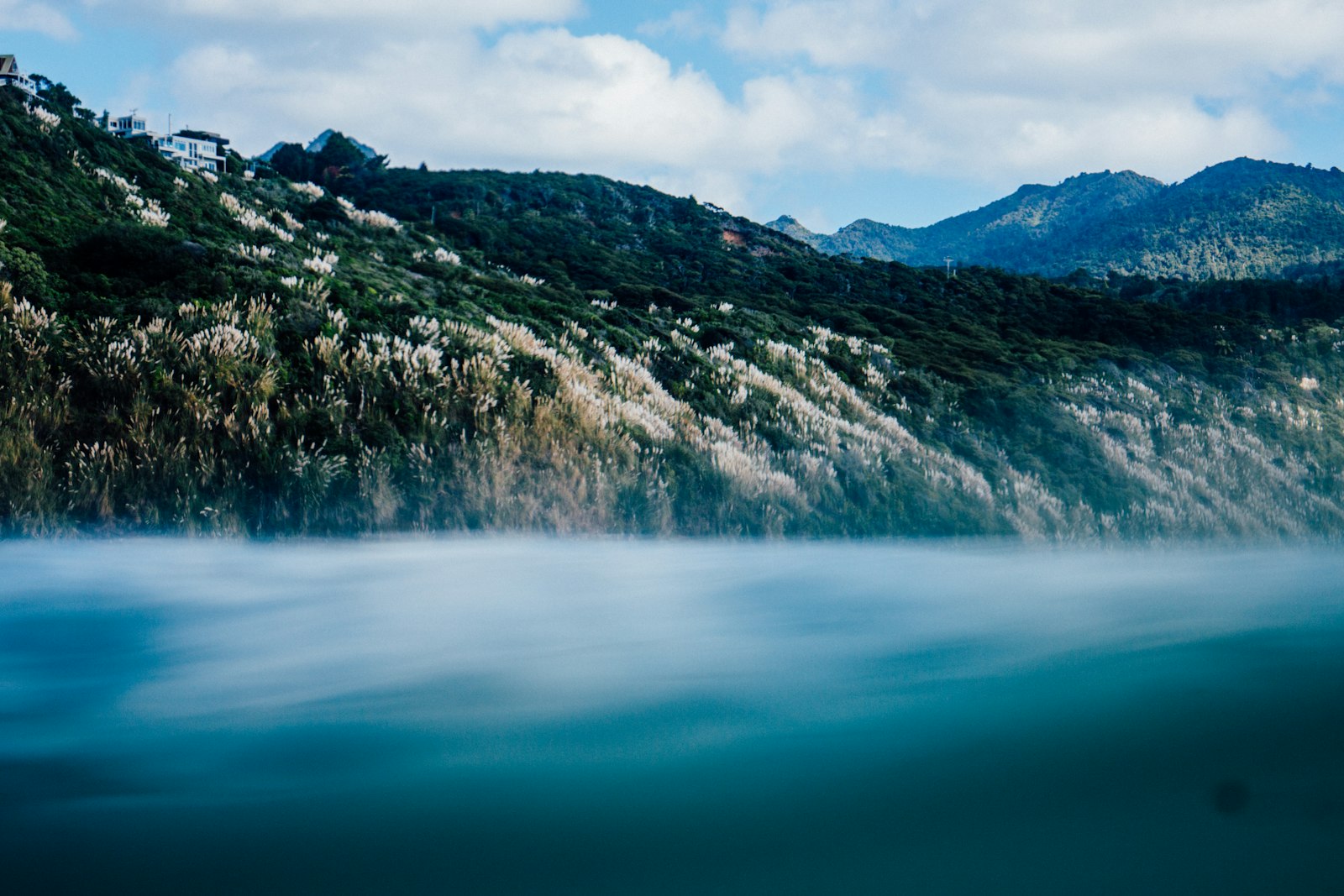
Beppu announces itself before you’ve properly arrived — plumes of steam rising from vents scattered across the hillside, visible from the train window long before the station platform comes into view. This is a city built almost entirely around its geothermal inheritance, home to more hot spring outlets than anywhere else in Japan, and a place where the ordinary rhythms of daily life, cooking, bathing, even heating homes, remain genuinely entwined with the volcanic ground beneath it. Two days is enough to get a proper feel for the place, provided you resist the urge to over-schedule and let the city’s slower, steam-fogged pace set the itinerary instead.
Day one: the hells and the hillside
Start with the Jigoku, or “hells” — a cluster of dramatically coloured hot spring pools around the city that are viewed rather than bathed in, each one a different, almost surreal shade: a cobalt-blue pool, a blood-red one stained by iron oxide, a boiling mud pool that churns and bubbles continuously. They’re touristy in the most unapologetic sense, but genuinely worth the detour, and walking between them offers a useful primer on the sheer geological force underpinning the entire city before you experience it more intimately in a proper bath later in the day.
By afternoon, head toward the hillside neighbourhoods above the main town, where older public bathhouses, some in wooden buildings that have stood for the better part of a century, offer the more traditional, unfussy version of what draws people here. These are working bathhouses rather than resort spas, often modestly priced, and the etiquette is strict but simple: wash thoroughly before entering the water, no swimwear, and a quiet, low-voiced respect for other bathers.
Where to eat on day one
- Toriten: Beppu’s signature fried chicken dish, lighter and more delicately battered than its more famous karaage cousin.
- Jigoku mushi cooking: food steamed directly using the geothermal heat, a genuinely unique local speciality worth trying at least once, typically vegetables, eggs, and seafood cooked in steam baskets lowered into natural vents.
Day two: onsen ryokan and a slower pace
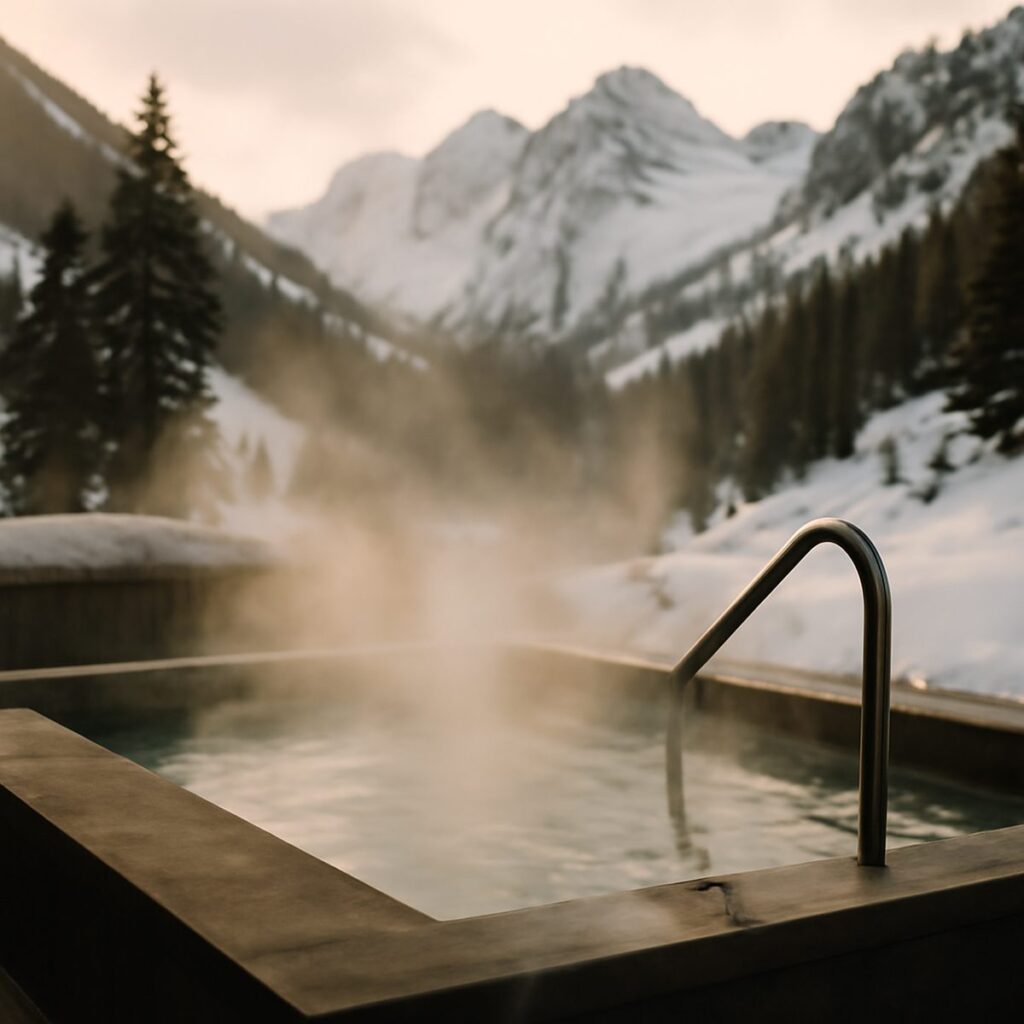
The second day is best spent properly, rather than briefly, at an onsen ryokan — a traditional inn built around its own hot spring bath, often with rooms offering a private, in-room bathing option alongside the larger communal baths. This is where Beppu’s appeal fully reveals itself: not in the theatrical hells of day one, but in the unhurried, almost meditative rhythm of a proper ryokan stay, moving between the bath, a multi-course kaiseki-style dinner, and a futon laid out on tatami while you’re at dinner.
“People come for the hells and leave remembering the baths,” said a ryokan proprietor whose family has run their inn for three generations. “The colours are the photograph. The water is the actual experience.”
Understanding proper onsen etiquette before arriving makes the whole experience considerably smoother — our guide to onsen etiquette and culture covers the essentials, from washing thoroughly before entering the water to the (usually strict) policy on visible tattoos at more traditional establishments. For those wanting to go deeper into the ryokan side of the experience specifically, our roundup of onsen ryokan worth the journey is a useful companion for planning beyond Beppu itself, since the wider Kyushu region carries several equally compelling options within a reasonable travel radius.
Getting around and when to go
Beppu is compact enough to navigate on foot for the central hells and bathhouse district, though the hillside ryokan area is more comfortably reached by local bus or taxi, particularly with luggage. The city works well as either a standalone weekend trip or as one stop within a broader itinerary through the islands of southern Japan, Kyushu and beyond, given its relatively easy rail and ferry connections to the rest of the region.
Autumn and early spring tend to offer the most comfortable conditions for a bathing-focused trip, avoiding the heaviest summer humidity, which can make repeated hot spring visits feel less restorative than intended. Those planning a longer regional trip should also consider timing it around the best autumn escapes in Kyushu, when the surrounding hillsides carry genuine seasonal colour to complement the steam rising from the city itself — a combination that makes Beppu, for all its slightly theatrical hells, one of the more quietly rewarding weekend destinations in the whole of southern Japan.
What to pack, and what to skip
Given how much of a Beppu trip revolves around bathing, packing light on clothing and heavy on practicality pays off. A small towel for the walk between bathhouse and street is genuinely useful, since not every establishment provides one, and comfortable, easily removed footwear matters more here than almost anywhere else in Japan, given how frequently you’ll be taking shoes on and off across a single day of hopping between baths, temples, and hillside viewpoints. Those with visible tattoos should research individual bathhouse policies in advance, since restrictions vary considerably between the more traditional establishments and the newer, more tourist-oriented facilities, and arriving without a plan can mean an awkward conversation at the entrance rather than a relaxing soak.
It’s also worth resisting the urge to cram in every one of the seven main hells during a single visit — two days genuinely isn’t enough time to do justice to both the sightseeing side of the city and the slower, more restorative ryokan experience if the itinerary is packed too tightly. Choosing three or four hells that genuinely interest you, rather than attempting a completist tour of all of them, leaves considerably more room for the unhurried bathing and dining that make a Beppu trip memorable in the first place, rather than merely thorough.
Finally, consider extending your stay by a half-day if your schedule allows, using it to wander the quieter residential streets away from the main hell circuit, where small local eateries and unassuming public baths, used far more by residents than visitors, offer a rather different, less curated picture of what daily life in a geothermal city actually looks like — the kind of unhurried discovery that runs through the best of our travel and stays coverage more generally.
Marcus writes on travel and hospitality across Asia, and is happiest a long way from a lobby.